Civil rights groups and pro-gun advocates in Australia have raised concerns that new fast-tracked laws will place undue restrictions on firearms and protests in the wake of the Bondi shootings.
On Monday, the Australian state of New South Wales (NSW) recalled its parliament to debate a raft of new laws such as banning the phrase globalise the intifada, limiting the number of guns one person can own, and greater police powers for protests.
NSW Premier Chris Minns said some may feel the changes had gone too far but they were needed to keep the community safe.
A pro-gun politician said the laws unfairly target law-abiding gun owners while civil libertarians said restrictions on protests were an affront to democracy.
On banning the intifada phrase, Minns said its use at protests in Australia and around the world are a call to a global intifada. That is what it means. Not in the Middle East, not in Israel or Gaza but here in Sydney.
He stated that it leads to a culture and environment of heightened disunity, which can invite violence.
The term intifada became popular during the Palestinian uprising against Israeli occupation of the West Bank and Gaza Strip in 1987.
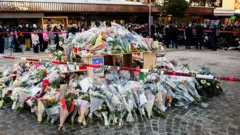
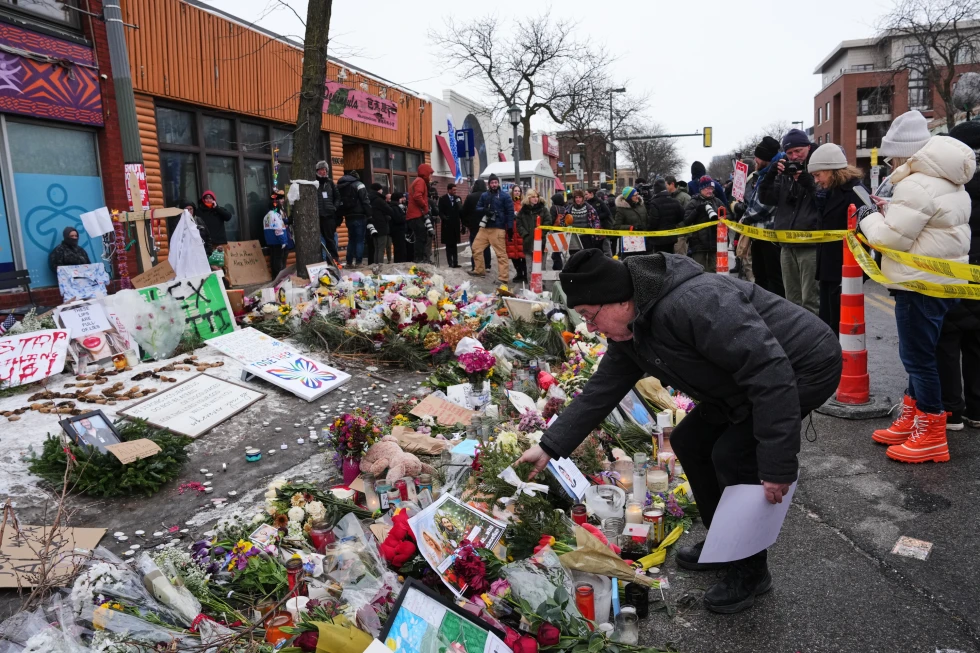
In the aftermath of the Bondi attacks, where 15 people were killed, the Jewish community accused the government of not doing enough to protect it from rising antisemitism.
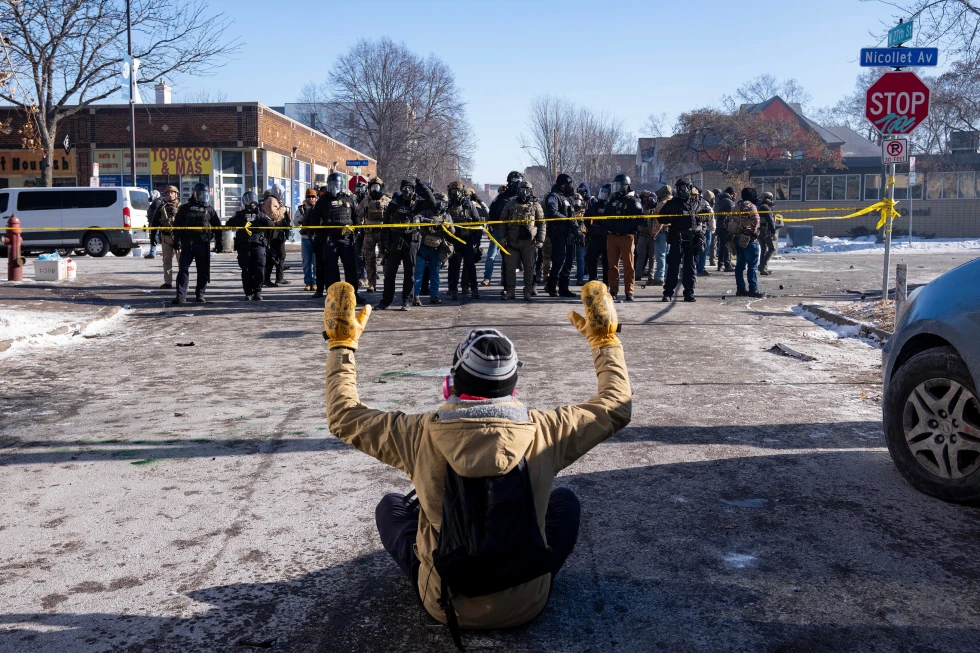
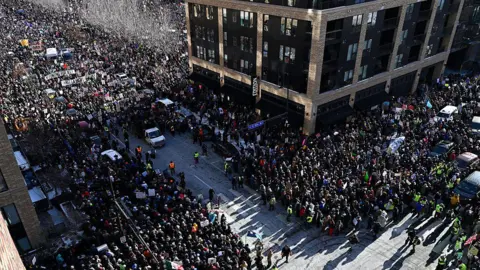
The new protest laws will allow police to restrict demonstrations at places of worship, with stronger penalties for breaches.
Timothy Roberts, president of the NSW Council for Civil Liberties, criticized the laws, saying they damage democracy and ignore previous court decisions supporting the right to protest near religious sites.
Walter Mikac, a survivor of Australia’s deadliest mass shooting, welcomed the reforms, stating they will close critical gaps in our gun laws.
The government aims to enhance community safety and crack down on hate speech and symbols, alongside enabling police to ban protests for up to three months after a terrorist attack. Critics argue these measures could erode essential rights to free expression and assembly.