In brief
A torrent of water crashed through Gyirong Port, the main border crossing between Nepal and Tibet, sending dozens into the stream. While the footage goes viral on global feeds, Chinese state media has shown only one still‑frame to its audience and removed most videos from domestic sites. Emergency workers are on the scene, but officials and virologists have said nothing about the number of people still missing. The lack of transparency is part of a broader pattern of censorship that has long kept Tibetans under surveillance while also stifling public debate on government handling of disasters.
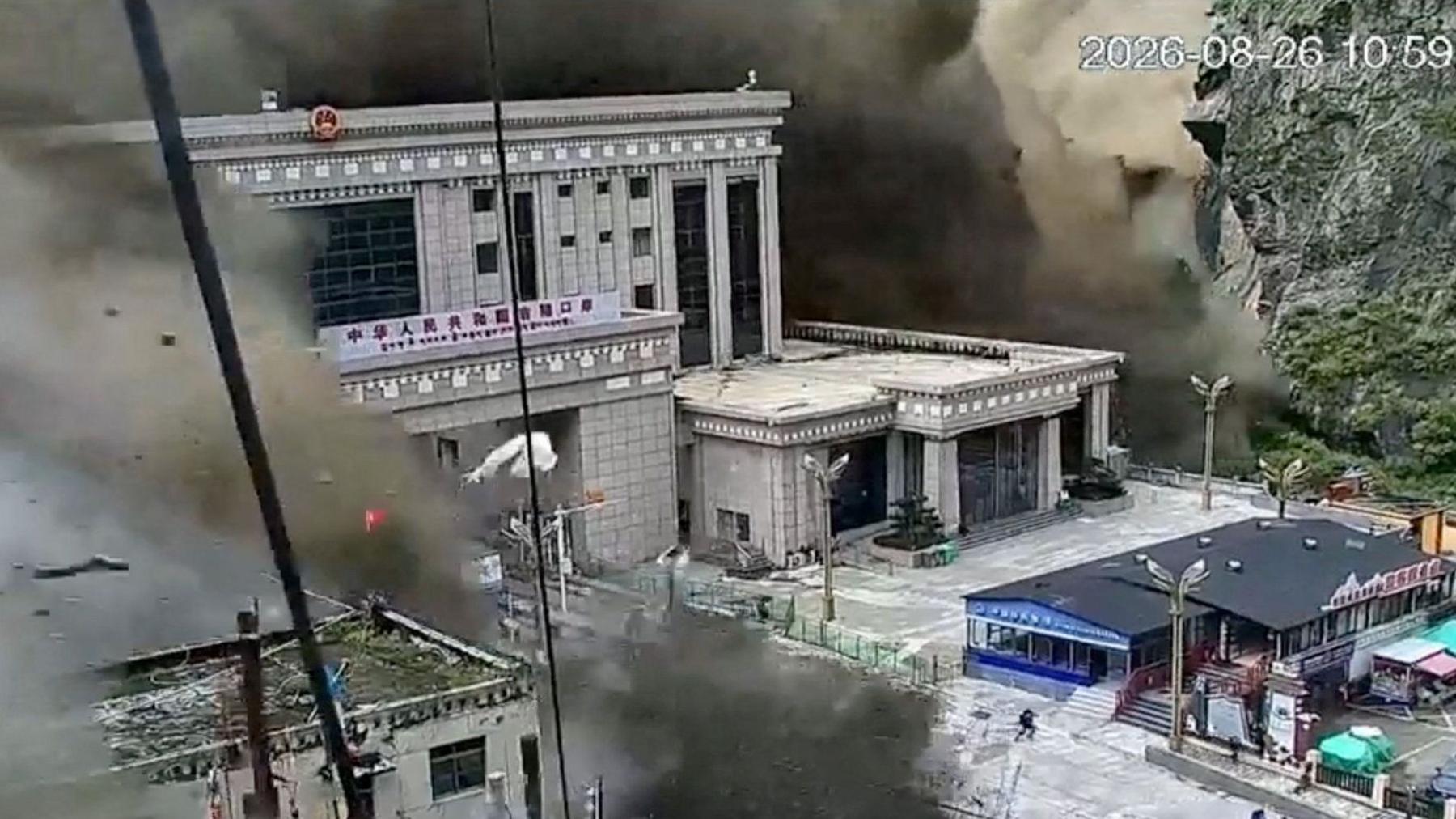
It was a dramatic moment on the Nepal–Tibet border. A torrent of water slammed into Gyirong Port, a crucial crossing, scattering people and debris in a flash flood that was caught on CCTV cameras and sent to the world’s feeds.
The footage is almost ubiquitous on global social media, but it has not made it into China’s own media. Beijing’s state‑run bulletins have aired only a single still image, and most video clips have been taken down from domestic platforms.
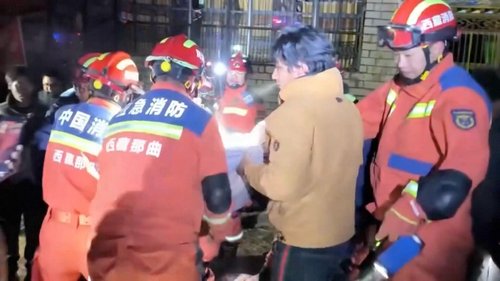
A rescue operation is in progress. The Chinese premier himself flew to the area to inspect the rubble and called for a coordinated response. Emergency crews, number unknown, are scaling cliffs and walking through muddy trails to reach people trapped by the flood.
Sadly, no survivor testimony has reached the outside world. Stories from families in Tibet are almost impossible to hear because of strict controls on communication and fear of being monitored.
International rights groups have condemned the removal of video and calls for full disclosure, noting the longer history of tension in the region. China argues the flood was a natural disaster and that the situation is under control, but visible gaps in information suggest a different narrative is being enforced.
The flood has shone a light on how a disaster can feed distrust, especially in a place where faith and identity have resisted foreign control for decades. The lack of transparency may affect how the country is seen outside its borders.