In brief
In the mountains of Yemen a family fled as bombs fell and carried two newborn twins, Raghad and Raad, on their shoulders for three days to the city of Aden. The twins arrive at a hospital in a weak, sun‑scorched state and are diagnosed with severe acute malnutrition – a death‑sentence rivaling a bullet. Doctors and nurses fight a drowning tide of displaced families and limited supplies, saving the twins by sharing a single bed and feeding them fortified milk, while the rest of the family sleeps on the street.
From the moment they entered the world, twins Raghad and Raad were fighting for life.
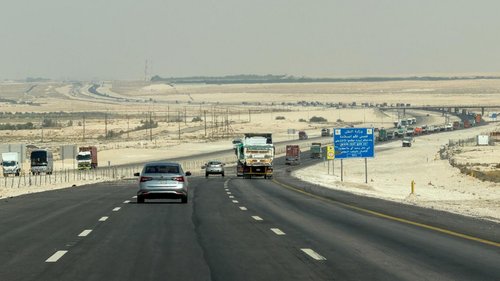
Their village in the Kahboub mountains was hit by bombs and missiles when they were just a few weeks old. A family of seven fled—blankets in hand, no transport, 10 sheep left behind—on foot toward Aden.
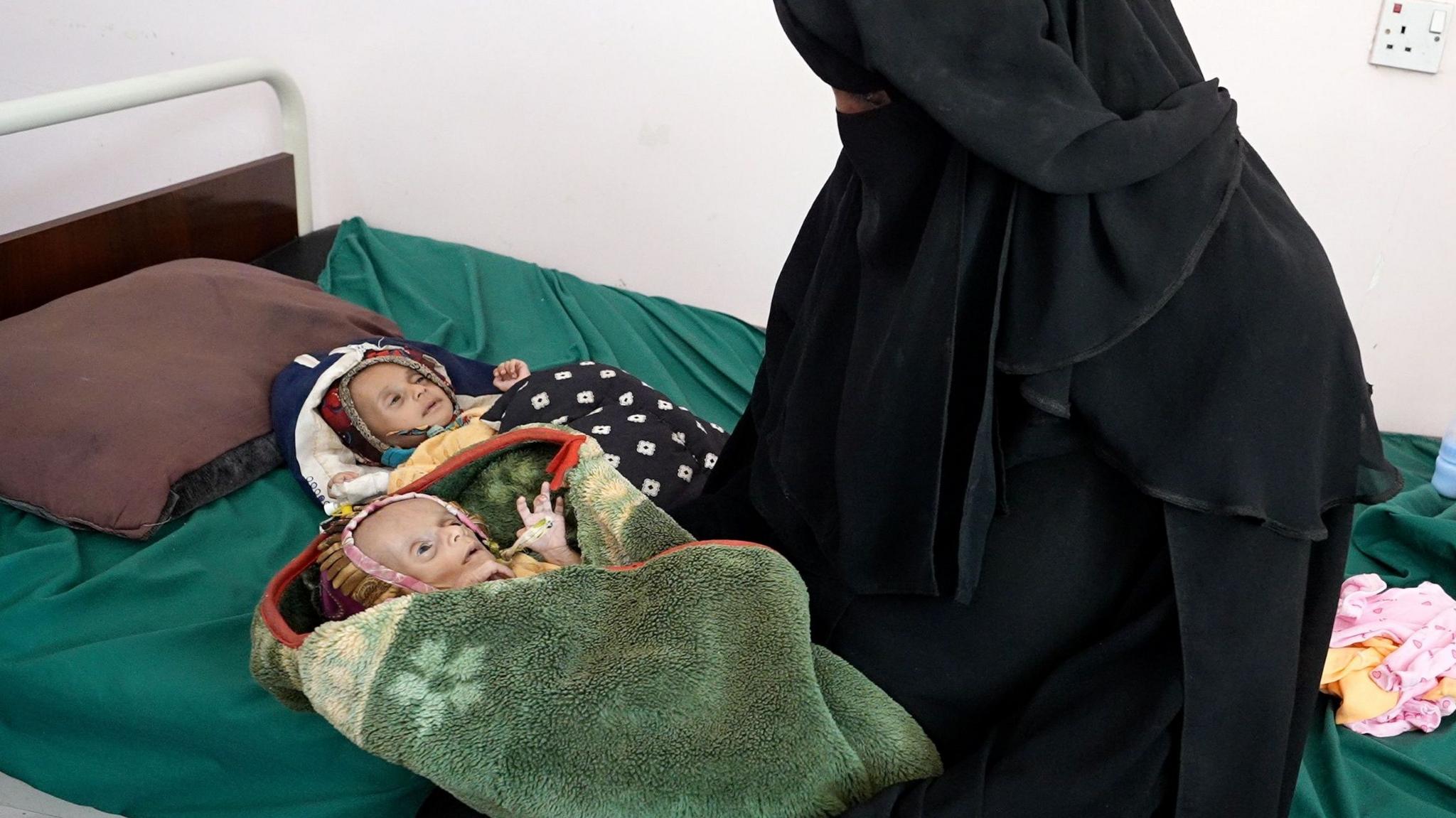
By the time they reached a hospital, the twins’ ribs were visible and they could barely hold their own breath. Doctors found them suffering from severe acute malnutrition, a condition that can kill faster than an artillery shell.
But hope arrived in a woman named Aisha Ragab. With no spare beds, she persuaded the staff to let the twins share a single bed, insisting “I will convince them because I’ve lived through this.”
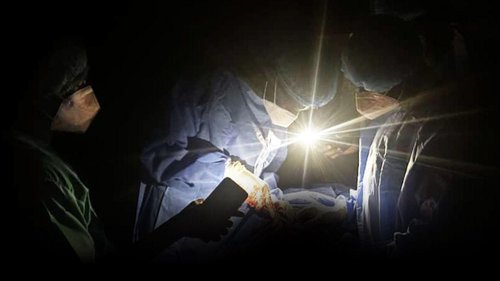
Their mother Lina feeds them sips of fortified milk, yet Raad can’t keep it down. The doctor, worried about the shortage of oxygen and even basic lab tools, says “We lose patients because we lack resources.”
While the twins receive care, the rest of the family stays outside the hospital, sleeping on a bench, then on the street—no map was easy to navigate, and both war and poverty kept them moving.
The UN says more than 250,000 people in Yemen have been displaced in the last three months, and 800,000 children face malnutrition. The story of Raghad and Raad is a stark reminder that behind every headline is a child trying to survive.