In brief
A wave of violence turned streets into battlefields, where thousands of police were injured and 1,500 shops destroyed. President Macons ordered the interior minister to resign, but he stayed to lead a pull‑back as the administration seeks to restore calm. The unrest highlights deep economic pain, anger over public services, and a political scramble ahead of a national poll. Questions remain about how to compensate victims, enforce safety and whether a temporary curfew is needed. The scene left France grappling with security and political division as it looks toward the future.
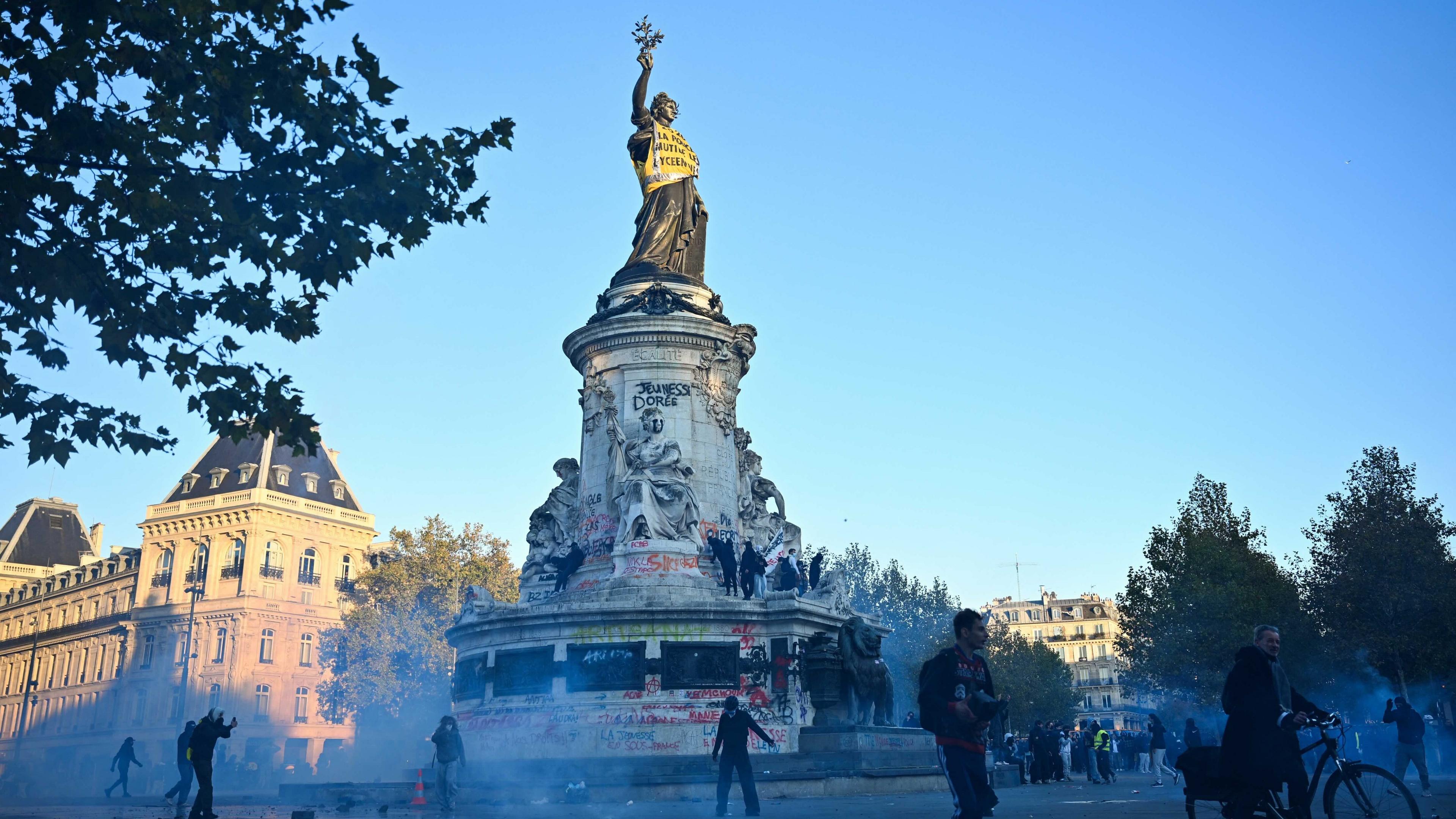
On Saturday, a wave of looting and clashes with police shook cities, causing damage worth an estimated 1,500 shops and injuring about a thousand officers.
Government in crisis mode
President Macons asked the interior minister to step down, but he stayed on to lead a fight of policies aimed at calming streets and holding offenders accountable.
Why it matters
These events come as a presidential election looms, with rival parties debating the cause of unrest and how to protect communities.
Police used tear gas and water cannons while students and activists staged protests over rising costs and poor public services.
In the coming weeks, the government must decide how to repair damaged businesses, restore public trust and determine if a curfew or emergency rule should be applied.