UN-backed experts say there have been improvements in nutrition and food supplies in Gaza since the ceasefire, but 100,000 people still experienced catastrophic conditions last month. In August, the Integrated Food Security Phase Classification (IPC) reported that half a million people - about a quarter of Gaza's population - lived in areas suffering from famine.
The UN and other humanitarian agencies have been able to increase food entering Gaza since the ceasefire in October between Israel and Hamas. However, Israel's foreign ministry claims the IPC report was deliberately distorted and doesn't reflect reality.
The latest IPC analysis indicates that a month ago, half a million Gazans faced emergency conditions, with over 100,000 still categorized under IPC Phase 5, denoting the highest level of food insecurity. Although improvements are expected, experts caution that the situation is highly fragile.
Israel continues to dispute the IPC's original findings, asserting that the methodology used does not accurately represents humanitarian conditions. Despite this, the IPC insists their analysis is based on comprehensive data, including reports from UN agencies.
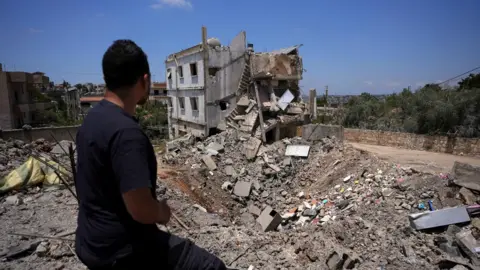
Amid ongoing debates about the situation in Gaza, the report highlights that key issues such as restricted humanitarian access, massive displacement, and destruction of livelihoods continue to influence food insecurity, raising concerns for possible future crises if hostilities resume.
The UN and other humanitarian agencies have been able to increase food entering Gaza since the ceasefire in October between Israel and Hamas. However, Israel's foreign ministry claims the IPC report was deliberately distorted and doesn't reflect reality.
The latest IPC analysis indicates that a month ago, half a million Gazans faced emergency conditions, with over 100,000 still categorized under IPC Phase 5, denoting the highest level of food insecurity. Although improvements are expected, experts caution that the situation is highly fragile.
Israel continues to dispute the IPC's original findings, asserting that the methodology used does not accurately represents humanitarian conditions. Despite this, the IPC insists their analysis is based on comprehensive data, including reports from UN agencies.
Amid ongoing debates about the situation in Gaza, the report highlights that key issues such as restricted humanitarian access, massive displacement, and destruction of livelihoods continue to influence food insecurity, raising concerns for possible future crises if hostilities resume.