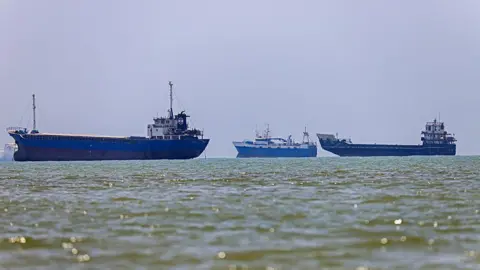
Nearly six months after a fragile ceasefire came into force in Gaza, Palestinians in this war-torn territory are still struggling. In the markets, there are again shortages of some goods and rising prices – with merchants saying supplies brought in from Israel have been disrupted by the new war in the region. What does the war between Iran and Israel have to do with us? Prices have doubled here. Goods aren't coming in like before, laments shopper Hassan Faqawi. While world attention has turned to the Iran war, there is increasing uncertainty about what happens in Gaza at a crucial stage in President Trump's 20-point peace plan.
In the past week at the UN Security Council, the US-led Board of Peace's High Representative, Nickolay Mladenov, outlined plans that could require Palestinian armed groups to decommission their weapons with compliance tied to reconstruction efforts. However, an official from Hamas indicated rejection of these proposals is likely, potentially reviving military confrontations.
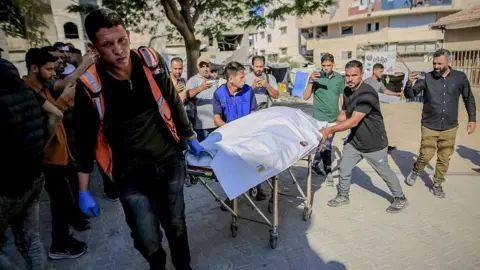
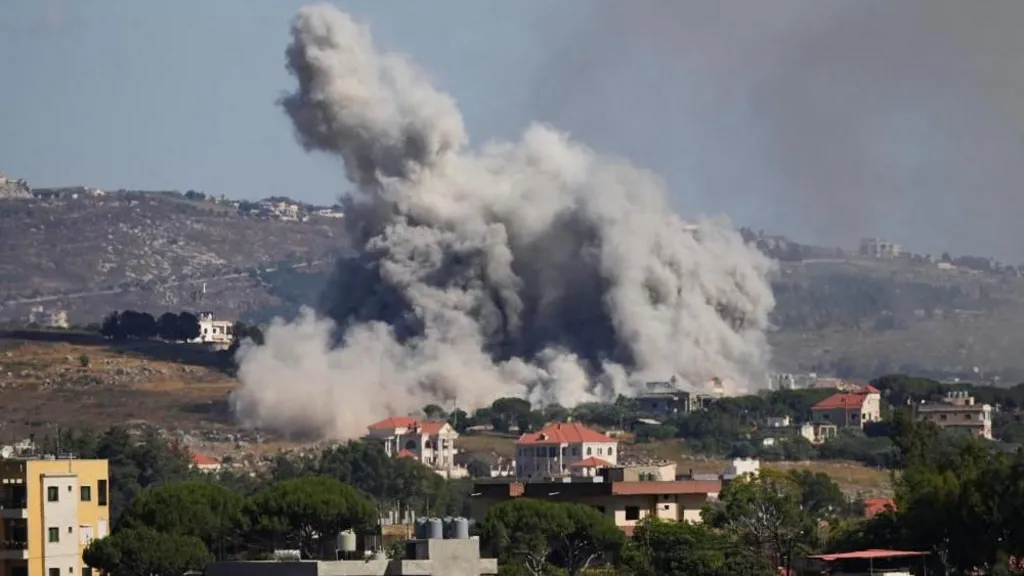
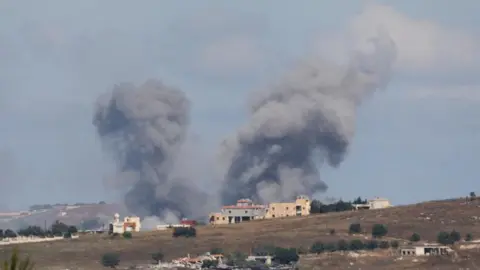
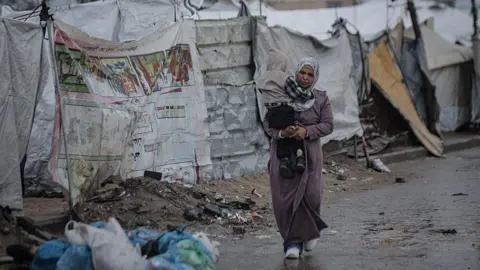
Gazans have also faced severe rain, which has exacerbated their struggles leading to overflow in sewage systems in tent camps. Humanitarian aids remain far from sufficient, as reconstruction materials are severely limited due to Israeli restrictions citing concerns that they could be used for militant purposes. Despite a ceasefire, Israeli strikes have continued, causing deaths among Palestinians.
While Hamas has signaled a willingness to establish a technocratic governance body, it has also been accused of reasserting strict control over daily life and imposing taxes that have pushed prices even higher. Frustrated Gazans express a shared desire for effective governance that transcends the current crisis, but the political landscape remains bleak with uncertainties surrounding international engagement and peace strategies.
In the past week at the UN Security Council, the US-led Board of Peace's High Representative, Nickolay Mladenov, outlined plans that could require Palestinian armed groups to decommission their weapons with compliance tied to reconstruction efforts. However, an official from Hamas indicated rejection of these proposals is likely, potentially reviving military confrontations.
Gazans have also faced severe rain, which has exacerbated their struggles leading to overflow in sewage systems in tent camps. Humanitarian aids remain far from sufficient, as reconstruction materials are severely limited due to Israeli restrictions citing concerns that they could be used for militant purposes. Despite a ceasefire, Israeli strikes have continued, causing deaths among Palestinians.
While Hamas has signaled a willingness to establish a technocratic governance body, it has also been accused of reasserting strict control over daily life and imposing taxes that have pushed prices even higher. Frustrated Gazans express a shared desire for effective governance that transcends the current crisis, but the political landscape remains bleak with uncertainties surrounding international engagement and peace strategies.