In brief
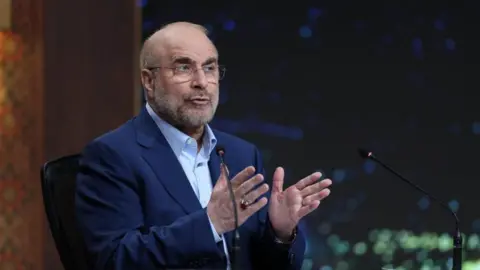
As US Vice President JD Vance prepares to meet Iranian Minister Mohammad Bagher Ghalibaf in Islamabad, tensions from decades of distrust hang over this historic rendezvous. This meeting could pave the way for renewed dialogue, but deep-rooted skepticism on both sides raises doubts about genuine outcomes. Observers note this as a critical attempt to shift from confrontation to cooperation amid ongoing regional conflicts.
If and when a photograph is taken of US Vice President JD Vance standing next to Iran's Parliamentary Speaker Mohammad Bagher Ghalibaf in Islamabad this weekend, it will make history. That moment would mark the highest-level face-to-face talks between the Islamic Republic of Iran and the United States of America since the 1979 Islamic Revolution shattered their strong strategic bond and cast a long shadow which still darkens relations to this day.The two men may not smile. They may not even shake hands. It would not make this troubled relationship any more easy, any less hostile. But it would send a signal that both sides want to try to end a war sending shocks worldwide, avoid an even riskier escalation, and turn to diplomacy to do a deal.There's zero chance though of President Trump's optimistic prediction of a peace deal within this shaky two-week ceasefire; its terms were contested and broken since the moment it was announced earlier this week. Even until the eleventh hour, Iranians kept everyone guessing over whether they would still show up while Israel was insisting there would be no ceasefire in Lebanon.But if serious and sustained talks make a start, it would also mark the most significant push since Trump pulled out of the previous landmark nuclear deal in 2018, during his first term. These talks, in endless rounds stretching over nearly 18 months of breakthroughs and breakdowns, were the last high-level meetings between the US's then secretary of state John Kerry and Iran's then foreign minister Mohammad Javad Zarif.Efforts since then, including during President Biden's term, made little headway. This time, however, the dispatch of more senior officials and high stakes of failure could open possibilities that weren't there before, as assessed by Ali Vaez of the International Crisis Group. Still, gaps and distrust run deep between both entities, especially in light of a recent Israeli-American war that has influenced Iran's negotiating stance.Negotiating approaches differ significantly between the two sides. President Trump promotes his various negotiators as dealmakers, a claim Iran disputes by insisting that negotiations appear indirect and are perceived as coercive.Despite the historical context and prior negotiations fraught with tension, a desire for dialogue persists, particularly given the regional dynamics and conflicts. As both nations weigh their options, the outcome of these talks could have significant implications for the broader Middle East and global peace efforts.