Lebanon and Israel have held their first diplomatic talks in over three decades, a rare encounter aimed at ending fighting between Israel and the Iran-backed Hezbollah group. US Secretary of State Marco Rubio, who mediated, said it was a historic opportunity to end Hezbollah's influence.
A US statement said the two sides had agreed to launch direct negotiations, at a time and place to be determined. Israel said it wanted to disarm all non-state terror groups - a reference to Hezbollah. Lebanon called for a ceasefire and measures to address its humanitarian crisis. The two countries do not have diplomatic relations, and the last direct, high-level talks between them took place in 1993.
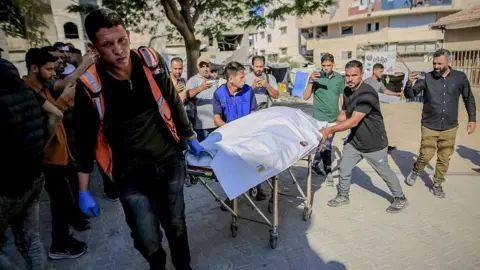
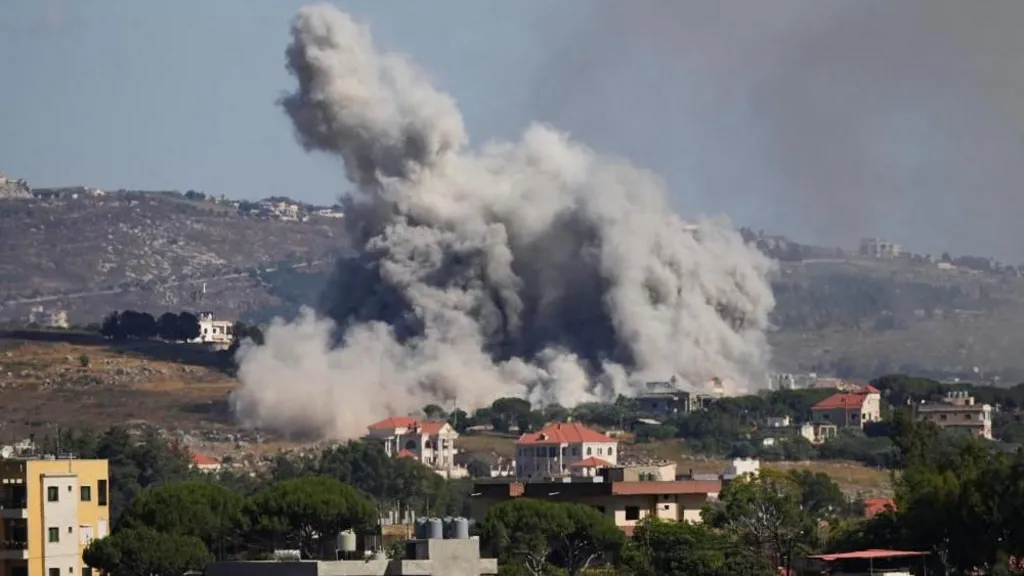
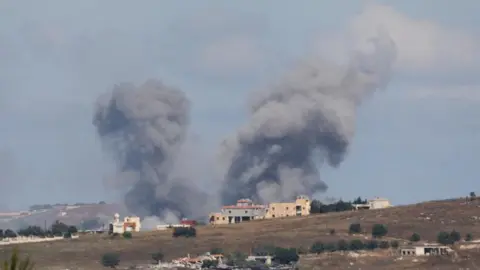
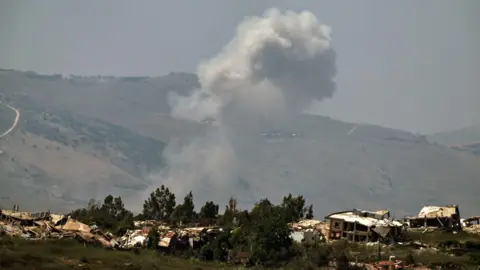
Over 2,000 people have been killed since Israeli military operations in Lebanon began on 2 March, just days after US and Israeli strikes began in Iran. While the two sides were meeting in Washington on Tuesday, Hezbollah claimed at least 24 attacks on Israel and Israeli troops in Lebanon. Drone and rocket alarms sounded in communities across northern Israel for much of the day.
Israel has stated that its operations in Lebanon aim at disarming and dismantling Hezbollah, which it also confronted during the 2023 and 2024 conflict periods. A spokesman for the US state department commented that both sides had agreed to work towards reducing Hezbollah's influence, while Lebanon highlighted the necessity for a ceasefire and concrete measures to address and alleviate the severe humanitarian crisis.
During these discussions, Rubio emphasized that the meeting was just the beginning, noting, This will take time, but we believe it is worth this endeavor. Lebanese President Joseph Aoun expressed hope that the talks would end the suffering of the Lebanese populace, especially those in the south.
Despite the ongoing negotiations, Hezbollah's position remains strong, as a senior member claimed, We are not bound by what they agreed to. As tensions run high, the situation in the region continues to evolve.
A US statement said the two sides had agreed to launch direct negotiations, at a time and place to be determined. Israel said it wanted to disarm all non-state terror groups - a reference to Hezbollah. Lebanon called for a ceasefire and measures to address its humanitarian crisis. The two countries do not have diplomatic relations, and the last direct, high-level talks between them took place in 1993.
Over 2,000 people have been killed since Israeli military operations in Lebanon began on 2 March, just days after US and Israeli strikes began in Iran. While the two sides were meeting in Washington on Tuesday, Hezbollah claimed at least 24 attacks on Israel and Israeli troops in Lebanon. Drone and rocket alarms sounded in communities across northern Israel for much of the day.
Israel has stated that its operations in Lebanon aim at disarming and dismantling Hezbollah, which it also confronted during the 2023 and 2024 conflict periods. A spokesman for the US state department commented that both sides had agreed to work towards reducing Hezbollah's influence, while Lebanon highlighted the necessity for a ceasefire and concrete measures to address and alleviate the severe humanitarian crisis.
During these discussions, Rubio emphasized that the meeting was just the beginning, noting, This will take time, but we believe it is worth this endeavor. Lebanese President Joseph Aoun expressed hope that the talks would end the suffering of the Lebanese populace, especially those in the south.
Despite the ongoing negotiations, Hezbollah's position remains strong, as a senior member claimed, We are not bound by what they agreed to. As tensions run high, the situation in the region continues to evolve.