In brief
This holiday season, many Americans are facing financial strain as inflation continues to impact the economy, making it difficult for shoppers to afford holiday gifts. A recent AP-NORC poll indicates that half of U.S. adults are either delaying purchases or cutting back on nonessential spending. While Trump insists that the economy is booming, the reality for many shoppers is quite different, with rising prices for groceries, electricity, and gifts reported by nearly 90% of respondents. As we look ahead, many are skeptical about improvements in the economy, signaling persistent challenges for consumers.
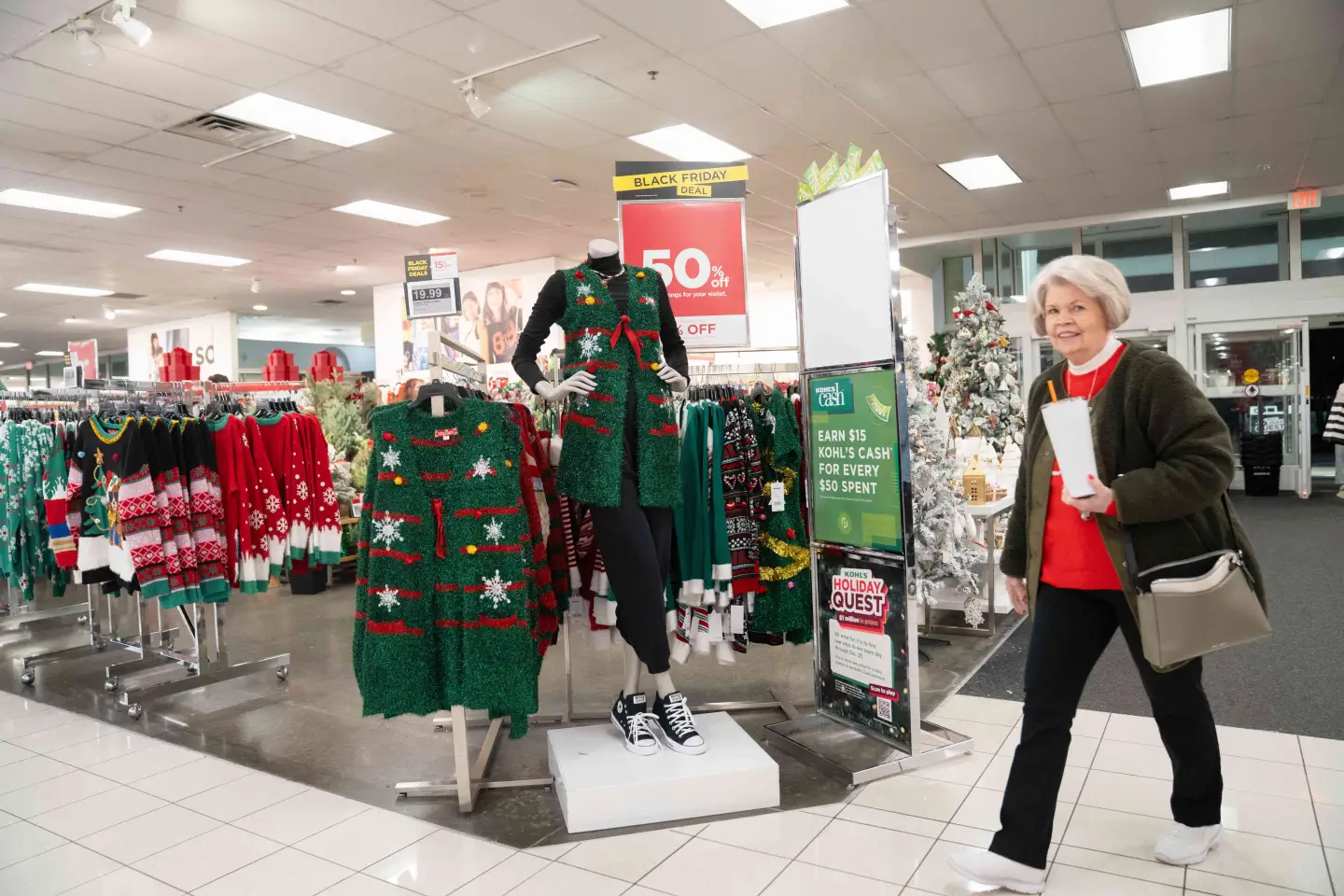
WASHINGTON (AP) — This holiday season isn’t quite so merry for American shoppers as large shares are dipping into savings, scouring for bargains as inflation erodes purchasing power. According to a new AP-NORC poll, many U.S. adults report encountering higher-than-average prices for groceries, electricity, and holiday gifts.
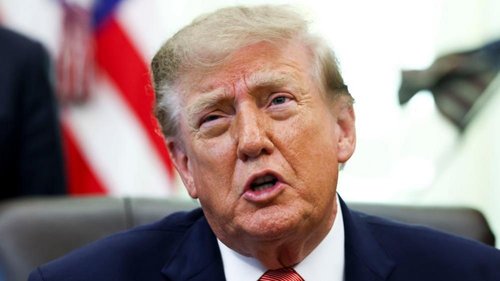
Approximately half of Americans find it harder than usual to afford holiday gifts, causing them to delay big purchases or cut back on nonessential items. This sobering outlook resonates with President Trump, who returned to the White House promising to lower prices but now faces a populace dissatisfied with the state of the economy.
The burden of inflation, influenced in part by Trump’s tariffs, continues to frustrate shoppers. While the president claims there’s “no” inflation, public sentiment tells a different story, with 68% rating the economy as “poor.” White House officials are aiming to boost confidence in economic conditions before the critical midterm elections.
Rising prices have led to many Americans adapting shopping habits. Many are prioritizing lower prices and relying on savings to make ends meet. Democratic respondents show a higher rate of cutting back than Republicans, but a notable number across the political spectrum are reining in spending.
Looking ahead, Americans are mostly pessimistic about economic recovery in 2026. Approximately 40% foresee the economy worsening, with only a fraction feeling optimistic about potential improvements. As shoppers navigate a challenging holiday season, the sentiment remains that actions taken by leaders will ultimately affect their financial wellbeing.