In brief
Gim, the popular Korean dried seaweed, is experiencing skyrocketing prices due to increasing global demand stemming from the worldwide fascination with Korean pop culture. From casual snack to sought-after item, the increasing costs are raising concerns among consumers in South Korea. As exports reach an all-time high, vendors like Lee Hyang-ran are witnessing a mix of booming sales and worried customers. With price hikes affecting the budget-friendly nature of gim, government and industry efforts are underway to stabilize costs.
A global craze for Korean culture is making its humblest snacks unaffordable
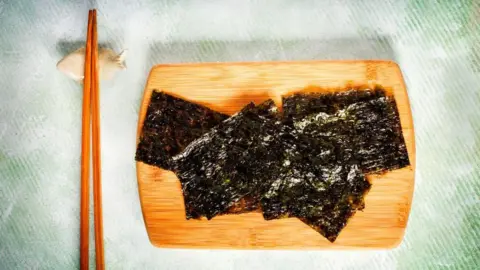
Black, crispy, often flat and square - dried seaweed, known locally as gim - is a humble staple on everyday dining tables across South Korea. But as its global popularity grows, its rising prices are worrying gim-lovers nationwide.
Lee Hyang-ran has been selling gim for the past 47 years. In the past, people from Western countries thought Koreans were eating something weird that looks like a piece of black paper, she notes from her small market stall in central Seoul. But times have changed - now those same customers flock to buy it.
As the world's largest producer and exporter of gim, South Korea is seeing a booming market, especially across Asia, North America, and Europe, with exports hitting a record $1.13 billion in 2025. However, rising demand has led to price increases. Traditionally affordable at about 100 won ($0.06) per sheet, prices have recently soared to over 150 won.
Kim Jaela, a typical bulk buyer, finds herself reconsidering her purchasing habits due to the price hikes: Oh my, it really did get more expensive! If I see the same or higher price later, I probably won't restock, she expressed while shopping online.
The global appetite for gim mirrors an increasing global demand for Korean goods fueled by cultural influencers like K-pop and K-dramas. Even US supermarkets are jumping aboard with products like Trader Joe's Gimbap flying off shelves.
Concerns linger as experts highlight how rising global demand is impacting domestic pricing and availability. Despite the struggles, vendors embrace the changing tide, with Lee noting the high popularity of gim in today's market: Gim has been selling like hot cakes... I'm glad Korean gim is getting popular.