In brief
The IMF has cautioned that ongoing trade tensions and a potential slowdown in the artificial intelligence boom could jeopardize global economic growth. Despite a projected increase in global GDP to 3.3% for this year, with the UK positioned as a rapid-growing economy, the report highlights risks that could derail these gains. The independence of central banks is emphasized as crucial for maintaining economic stability amidst these challenges.
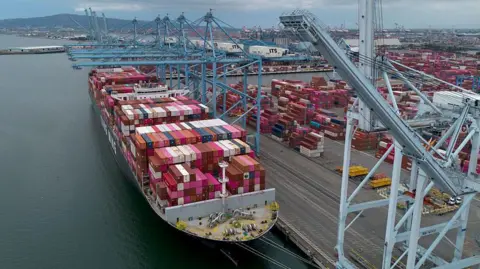
The International Monetary Fund (IMF) has raised alarms regarding the potential risks to global economic growth, particularly due to escalating trade tensions and uncertainties surrounding the artificial intelligence (AI) sector. In its latest world economic outlook, the IMF described the global economy as steady, forecasting a resilient growth rate of 3.3% this year, up from a previous estimate of 3.1%.
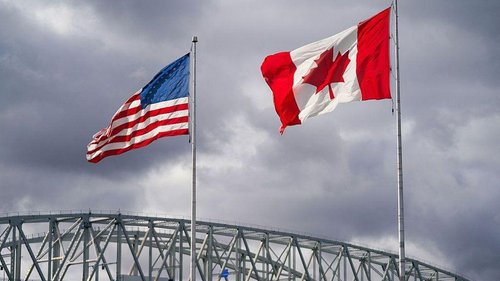
The IMF's warnings coincide with recent threats from U.S. former president Donald Trump to impose tariffs on several European countries that oppose his proposed takeover of Greenland. According to IMF chief economist Pierre Olivier Gourinchas, while the global economy suffers from the effects of trade disruptions, it has ultimately shown resilience in the face of adversity.
The forecast for the UK also looks promising, with growth expected to reach 1.3% this year, making it one of the fastest-growing G7 economies. However, the IMF also pointed out that the risks remain tilted to the downside. An abrupt correction in AI-related investments could have a cascading effect on global financial markets. Additionally, trade tensions can exacerbate uncertainties and undermine economic activity.
Emphasizing the importance of central bank independence, the IMF called for measures to anchor inflation expectations and prevent fiscal dominance. Challenges to this independence, particularly from political leaders seeking lower interest rates for easier governmental funding, could lead to detrimental inflationary effects.
As the global economy continues to navigate these uncertainties, the message from the IMF is clear: vigilance is necessary to sustain growth amid emerging risks.