In brief
In a heated confirmation hearing, Kevin Warsh defended his independence in front of a backdrop of accusations, including being dubbed President Trump's 'sock puppet.' His ties to Jeffrey Epstein also came under scrutiny as he promised to divest from potentially conflicting financial interests. The discussions highlighted concerns over the Fed's future direction, with calls for a 'regime change' emphasizing the need for new inflation strategies and communication methods.
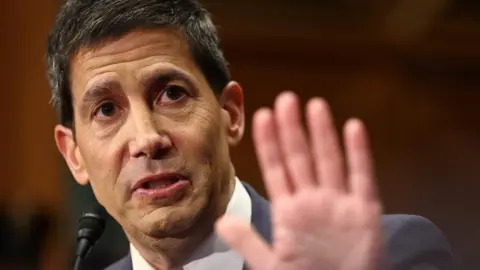
Kevin Warsh has clashed with Democratic senators during a fiery confirmation hearing to decide whether he should be installed as Federal Reserve chairman.
From suggestions that he would be President Donald Trump's sock puppet to questions over his links to paedophile financier Jeffrey Epstein, here are the key takeaways from Tuesday's showdown in the Senate.
Warsh denies being Trump's 'sock puppet'
Senator Elizabeth Warren, the ranking Democrat on the banking committee that is overseeing his confirmation, said Warsh would be little more as Fed chairman than Trump's sock puppet. Trump has suggested that, if confirmed, Warsh would conform to his agenda and lower interest rates, which the president argues is necessary to boost the US economy.
Warren asserted that having a sock puppet in charge of the Fed would give the president access to the Fed's powerful authorities to enrich himself, his family and his Wall Street buddies. When pressed on the matter, Warsh firmly denied the claim, stating: Absolutely not and emphasized the importance of the Fed's independence.
Warsh questioned over Epstein ties
Warren also pressed Warsh about his financial dealings, highlighting his undisclosed investments, particularly any potential ties to Epstein. Despite the scrutiny, Warsh indicated he would divest from holdings potentially complicating his confirmation.
Warsh denies deal with Trump
Addressing concerns about a supposed agreement to lower interest rates with Trump in exchange for the Fed chairmanship, Warsh rejected such claims, reinforcing his commitment to the Fed's independence.
Thom Tillis withholds support
While opposition subdivided predominantly along party lines, Republican Senator Thom Tillis remained notably hesitant to endorse Warsh unless an inquiry into outgoing Chairman Jerome Powell is resolved.
Warsh wants Fed 'regime change'
Should he gain confirmation, Warsh pledged to usher in significant changes at the Fed, including how inflation is assessed and communicated, advocating for a fresh perspective on monetary policy and the future of American economics.