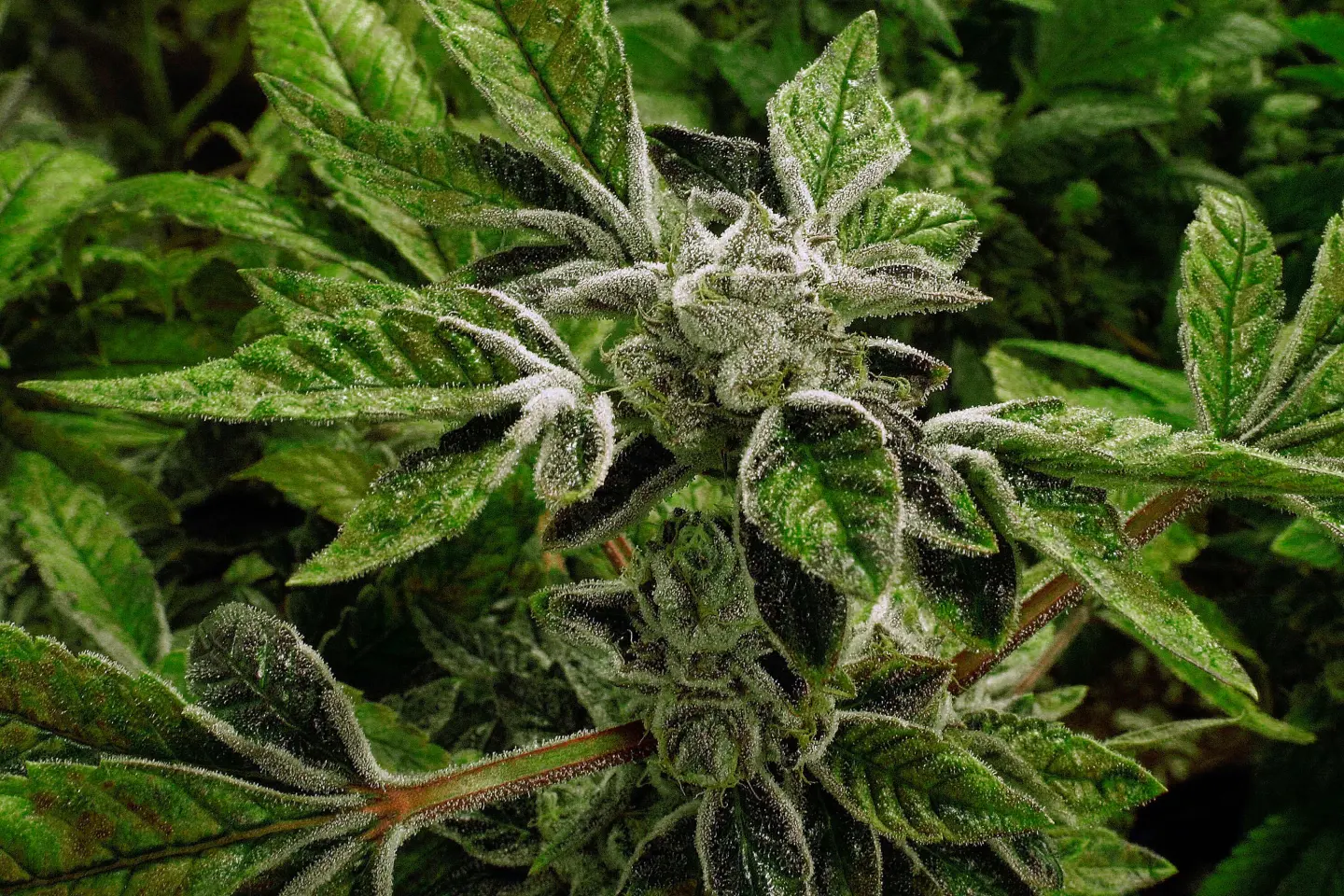
In a landmark decision, President Trump's acting attorney general, Todd Blanche, has signed an order reclassifying state-licensed medical marijuana as a Schedule III drug, significantly relaxing federal regulations surrounding its use and research. The change comes amidst a backdrop of increasing state legalization efforts and public acceptance of cannabis. Blanche stated that this shift allows for better medical treatment options and encourages research to prove cannabis's efficacy. While the order does not legalize marijuana, it provides tax advantages for businesses involved in the medical marijuana sector and supports ongoing marijuana research. This policy marks a notable departure from previous stringent regulations and reflects the reality that many Americans now access medical marijuana across various states. The order also clarifies that researchers can obtain state-licensed marijuana without fear of penalties. As these regulatory changes unfold, the Trump administration is expected to further explore broader marijuana rescheduling discussions.
Trump Takes Big Step to Change Marijuana Regulations
Trump Takes Big Step to Change Marijuana Regulations
In a surprising move, President Trump's acting attorney general has reclassified state-licensed medical marijuana, marking a major shift in U.S. drug policy.
President Trump's administration is making waves with a new order that downgrades state-licensed medical marijuana from Schedule I to Schedule III, allowing for easier access and research. While it doesn't legalize marijuana, it signals a shift in federal attitude towards cannabis. This change could lead to significant tax breaks for medical marijuana businesses and ease restrictions for researchers interested in studying cannabis's effects. The move is viewed as a response to the growing acceptance of cannabis in many states, paving the way for better regulation and potential future changes in U.S. marijuana laws.