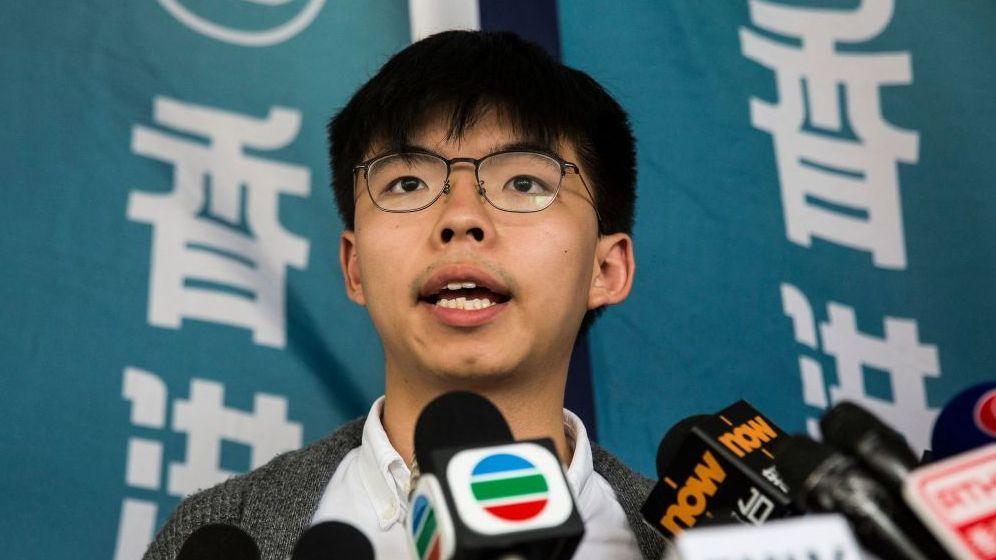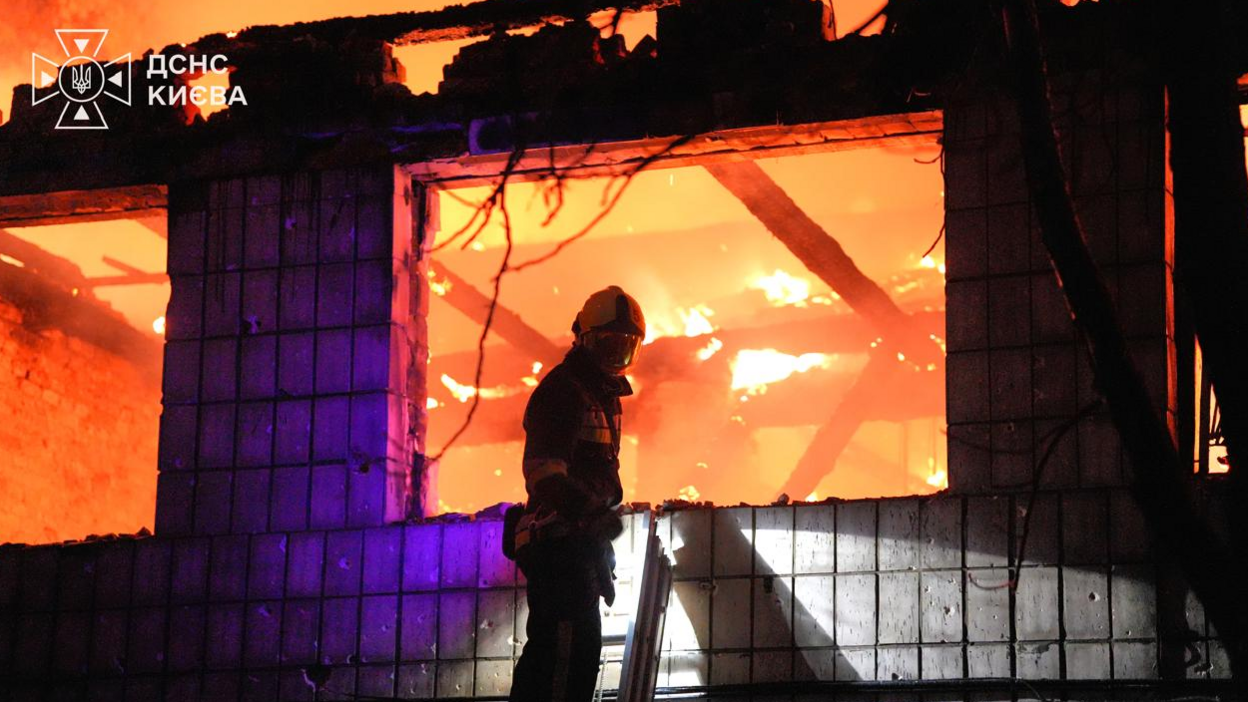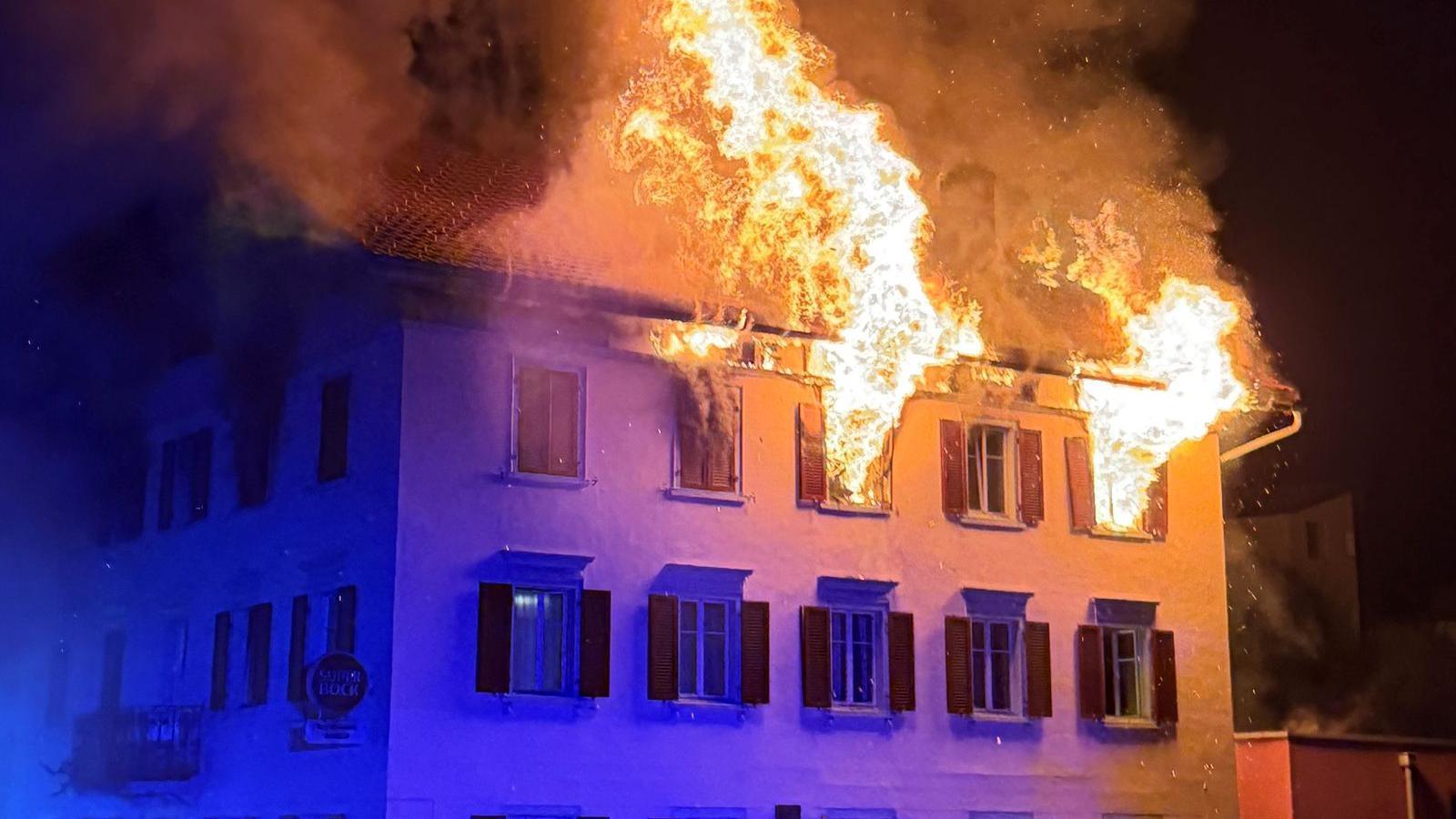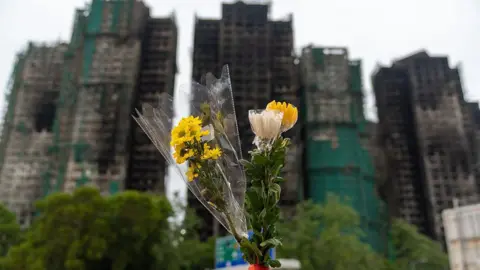
In a shocking turn of events, university student Miles Kwan was arrested shortly after starting a petition to hold the Hong Kong government accountable for the aftermath of one of the city’s deadliest fires. Occurring in the densely populated Tai Po district, the fire claimed the lives of at least 159 people, igniting a wave of public despair and anger.
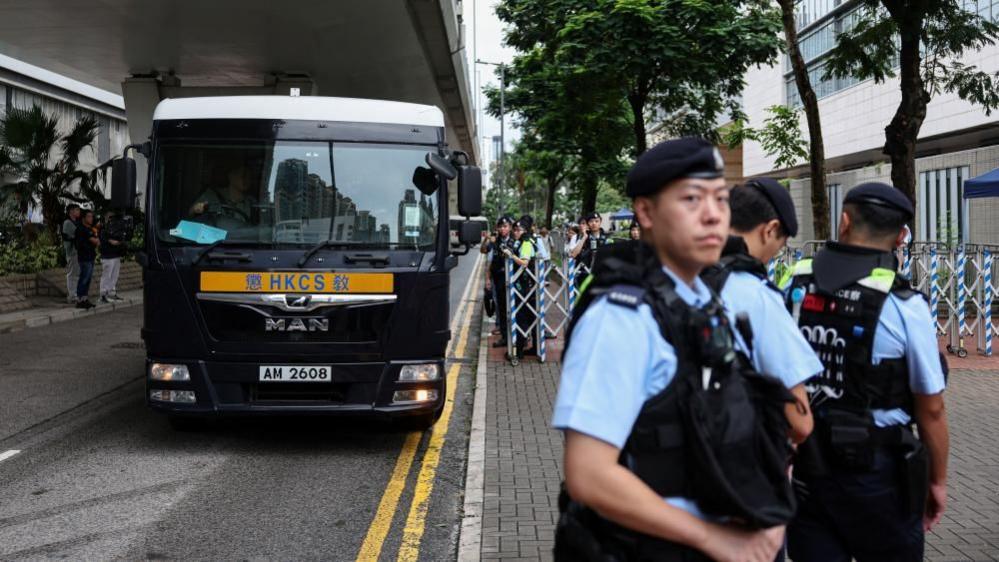
As public sentiment rose, so did concerns about the government’s actions. The pro-Beijing authorities issued warnings against exploiting the tragedy to threaten national security. Kwan was detained by national security police on charges of sedition but has since been released on bail.
The arrest has sparked significant discussion among Hong Kong residents, with opinions divided. Some view Kwan's actions as a legitimate quest for answers, while others see the government's response as an effort to suppress dissent. Lawmakers have defended the government's caution, stressing the need to prevent a repeat of the 2019 protests.
Kwan's petition had gathered over 10,000 signatures in under a day, calling for clarity on how the fire spread so rapidly and whether any officials should be liable. Responding to the uproar, Hong Kong's chief executive, John Lee, announced immediate support for victims and a commitment to investigate the fire, addressing some concerns raised in Kwan's petition.
Amid growing scrutiny, authorities have undertaken actions against multiple parties, including arrests related to manslaughter, and emphasized the importance of maintaining social control in crisis management. Kwan’s arrest and the subsequent public discourse reflect ongoing tensions in Hong Kong regarding freedom of speech and governmental power over civic responses to disaster.
As residents continue to share their views online, the critical question remains: at what point does accountability demand a response from those in power, and how far will the government go to maintain control over the narrative?
As public sentiment rose, so did concerns about the government’s actions. The pro-Beijing authorities issued warnings against exploiting the tragedy to threaten national security. Kwan was detained by national security police on charges of sedition but has since been released on bail.
The arrest has sparked significant discussion among Hong Kong residents, with opinions divided. Some view Kwan's actions as a legitimate quest for answers, while others see the government's response as an effort to suppress dissent. Lawmakers have defended the government's caution, stressing the need to prevent a repeat of the 2019 protests.
Kwan's petition had gathered over 10,000 signatures in under a day, calling for clarity on how the fire spread so rapidly and whether any officials should be liable. Responding to the uproar, Hong Kong's chief executive, John Lee, announced immediate support for victims and a commitment to investigate the fire, addressing some concerns raised in Kwan's petition.
Amid growing scrutiny, authorities have undertaken actions against multiple parties, including arrests related to manslaughter, and emphasized the importance of maintaining social control in crisis management. Kwan’s arrest and the subsequent public discourse reflect ongoing tensions in Hong Kong regarding freedom of speech and governmental power over civic responses to disaster.
As residents continue to share their views online, the critical question remains: at what point does accountability demand a response from those in power, and how far will the government go to maintain control over the narrative?