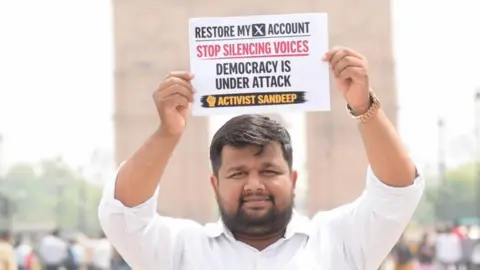
The Indian government has proposed changes to extend its regulatory framework to a wider range of online news voices, including influencers and podcasters on platforms such as Facebook, YouTube, and X. Last week, the Ministry of Electronics and Information Technology (MeitY) suggested amendments to India's IT rules - which govern digital media content - to include users who are not publishers who share content relating to news and current affairs within a code of ethics it currently applies to registered news publishers. Experts say this could give the government more power over news-related posts shared by ordinary users, including independent journalists and podcasters.
The government has proposed requiring social media platforms to follow orders and guidelines if they want to keep safe harbour protection - legal immunity from liability for content posted by users. The proposed amendments have alarmed digital rights activists and independent news creators, who express fears that this could enable state-led censorship on social media platforms. Critics warn that these rules could be misused to target government critics and stifle dissent.
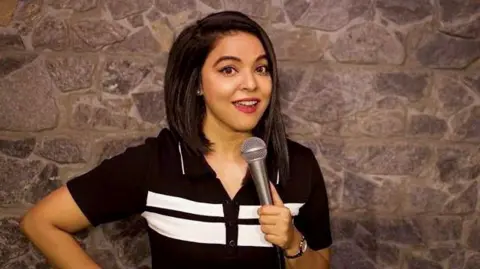
The government states that the amendments aim to strengthen current IT rules and combat fake news, hate speech, and deepfakes, inviting public feedback until April 14. However, critics are skeptical of the government's intentions. Akash Banerjee, a popular YouTuber, highlights that the rules could force creators towards self-censorship.
Despite existing regulations claiming to curb hate speech and misinformation, many believe that criticism of the government remains targeted and frequently blocked on social media. The proposed legislation has sparked widespread discussions among internet users about freedom of expression and the potential consequences of increased government oversight on digital platforms.
The government has proposed requiring social media platforms to follow orders and guidelines if they want to keep safe harbour protection - legal immunity from liability for content posted by users. The proposed amendments have alarmed digital rights activists and independent news creators, who express fears that this could enable state-led censorship on social media platforms. Critics warn that these rules could be misused to target government critics and stifle dissent.
The government states that the amendments aim to strengthen current IT rules and combat fake news, hate speech, and deepfakes, inviting public feedback until April 14. However, critics are skeptical of the government's intentions. Akash Banerjee, a popular YouTuber, highlights that the rules could force creators towards self-censorship.
Despite existing regulations claiming to curb hate speech and misinformation, many believe that criticism of the government remains targeted and frequently blocked on social media. The proposed legislation has sparked widespread discussions among internet users about freedom of expression and the potential consequences of increased government oversight on digital platforms.