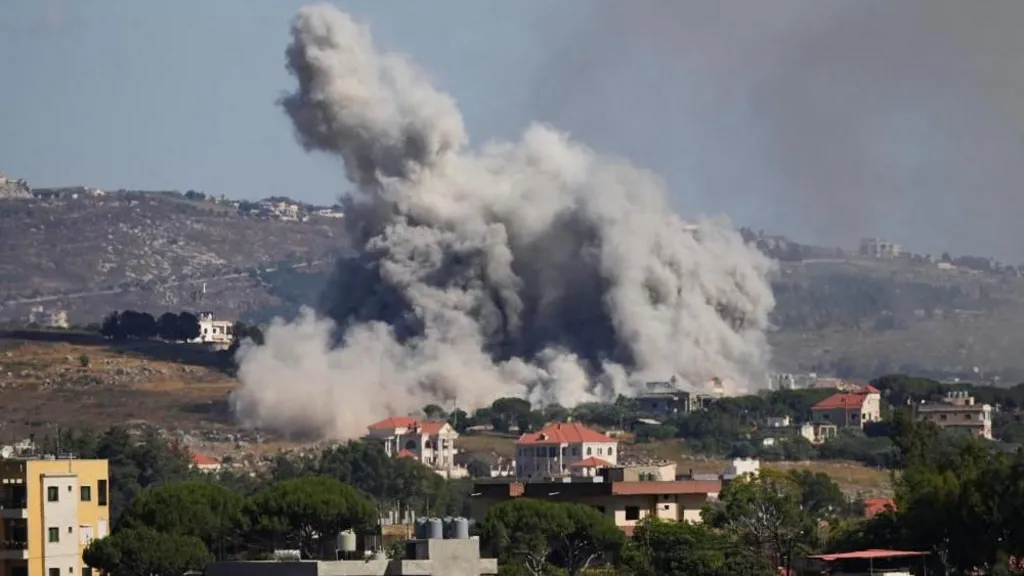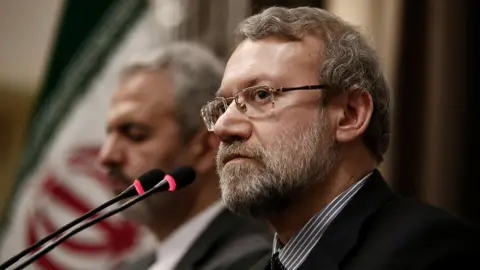
The recent Israeli airstrike that killed Iran's security chief, Ali Larijani, has removed one of the Islamic Republic's most experienced and influential policy makers at a critical juncture for the nation. Although not a military commander, Larijani played a pivotal role in shaping Iran's strategic decisions, especially as secretary of the Supreme National Security Council, where he influenced the country’s war, diplomacy, and national security policies. His voice was significant in managing Iran's confrontations with the United States and Israel.
Following the recent killing of Supreme Leader Ali Khamenei on February 28, Larijani's defiant stance indicated Iran's readiness for an extensive conflict. His death, confirmed by state media, comes amid a broader campaign targeting senior Iranian officials, suggesting a systematic effort to weaken Iran's leadership during wartime. His contrasting reputation as a hardliner and a pragmatist highlighted his calculated approach to governance, balancing ideological loyalty with strategic diplomacy.
At the time of his death, Larijani was managing three significant crises: the ongoing war, a wave of domestic unrest fueled by economic grievances, and stalled negotiations regarding Iran's nuclear program. His removal leaves these challenges unresolved and adds to an already fragile governmental structure, potentially allowing military factions greater influence over policy decisions. The situation is precarious, with Iran facing not only external threats but also significant internal dissent, and the loss of Larijani exacerbates a pre-existing leadership crisis that could tip the scales for Iran's future amidst ongoing strife.
Following the recent killing of Supreme Leader Ali Khamenei on February 28, Larijani's defiant stance indicated Iran's readiness for an extensive conflict. His death, confirmed by state media, comes amid a broader campaign targeting senior Iranian officials, suggesting a systematic effort to weaken Iran's leadership during wartime. His contrasting reputation as a hardliner and a pragmatist highlighted his calculated approach to governance, balancing ideological loyalty with strategic diplomacy.
At the time of his death, Larijani was managing three significant crises: the ongoing war, a wave of domestic unrest fueled by economic grievances, and stalled negotiations regarding Iran's nuclear program. His removal leaves these challenges unresolved and adds to an already fragile governmental structure, potentially allowing military factions greater influence over policy decisions. The situation is precarious, with Iran facing not only external threats but also significant internal dissent, and the loss of Larijani exacerbates a pre-existing leadership crisis that could tip the scales for Iran's future amidst ongoing strife.