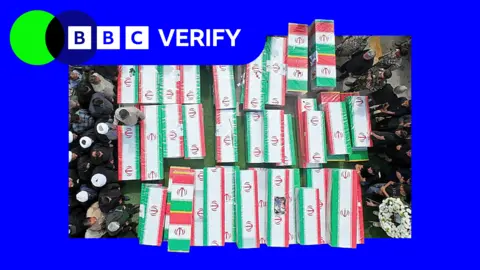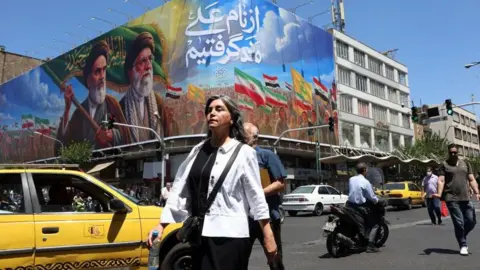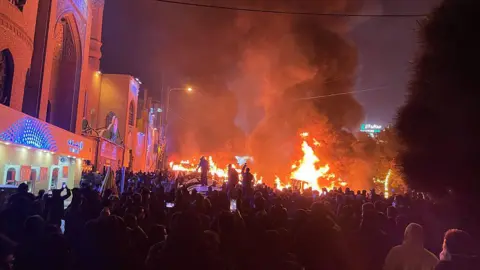
For Mojdeh and her husband, the question of US intervention in Iran is personal. In early January, they traveled from their home in Washington, DC to Tehran to visit family - expecting a short, routine trip. Instead, protests spread, flights were cancelled and they found themselves stranded in a city that no longer felt predictable. Life was on pause, Mojdeh said, especially at night, when the internet and even phone networks went dark. Despite not planning to protest, she felt compelled to take part as chaos erupted on the streets. Protests ignited across Iran, fueled by economic distress and calls for the government to end as security forces responded aggressively. The reported death toll varies, with some organizations estimating as many as 25,000 dead amidst an immediate crackdown on demonstrators. Mojdeh, watching from afar, worries about the devastation that could come from outside military action, even as her husband feels the desperate support for potential US intervention among their friends and family back home.
Weeks later, the sentiment seems mixed. Many Iranians living abroad argue for intervention, suggesting that without it, their calls for change could be ignored. There is no other way, some say. Still, others express concern that intervention may bring unintended consequences that could worsen the plight of their loved ones still living under the regime. As conversations continue, one thing remains clear: Iranians both inside and outside the country are increasingly anxious about what the future holds, grappling with fears for the lives of their fellow citizens while trying to find a path toward lasting change.
Weeks later, the sentiment seems mixed. Many Iranians living abroad argue for intervention, suggesting that without it, their calls for change could be ignored. There is no other way, some say. Still, others express concern that intervention may bring unintended consequences that could worsen the plight of their loved ones still living under the regime. As conversations continue, one thing remains clear: Iranians both inside and outside the country are increasingly anxious about what the future holds, grappling with fears for the lives of their fellow citizens while trying to find a path toward lasting change.