In brief
In light of the recent geopolitical climate, Israeli leaders are strategically positioning themselves as they await U.S. actions in Iran. Israel's Prime Minister Netanyahu is seen as quietly encouraging stronger U.S. military strikes against Iran, hoping to shift the regime. While Israel has publicly maintained a cautious stance, insiders suggest private discussions are ongoing, focusing on military strategies and potential targets. With sentiments running high, many believe this could be a pivotal moment for both nations.
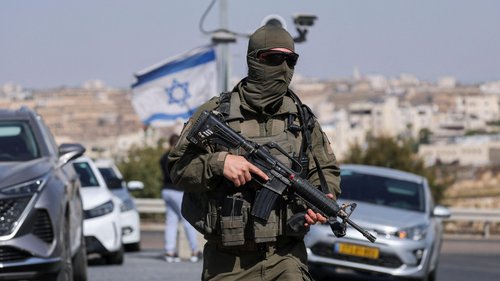
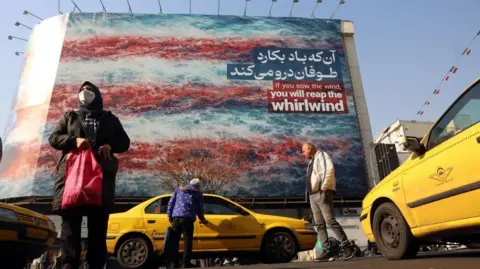
Amid the din of global speculation over U.S. military build-up in the Middle East, Israel's leaders have remained unusually silent. Aside from some remarks in support of Iran's anti-government protests this month, Israel's prime minister has had little to say publicly about his superpower ally taking on his biggest enemy. His government has remained equally silent.This silence shows the importance Netanyahu puts on this moment. For him, the U.S. military presence in the Gulf alongside a potential attack on Iran is an opportunity that he cannot afford to miss.Former intelligence officials indicate that in private, Israeli leadership believes it's strategic to let the U.S. lead rather than take action alone. Netanyahu has long viewed Iran as a primary threat and while his public silence suggests inaction, it doesn't imply a lack of communication with U.S. counterparts.With discussion of military intelligence targets in Iran ongoing, this situation makes Israel feel cautiously optimistic about the potential for regime change. Many residents in Israel view this as a once-in-a-lifetime chance to dismantle what they perceive as an existential threat via U.S. intervention, which would ideally address security concerns over missile advancements and nuclear ambitions.However, the risks remain palpable. Should a new regime emerge, it might not guarantee the security Israel hopes for, potentially plunging Iran into further chaos that could destabilize the entire region.Polls indicate that many Israelis support military action to ensure these threats are neutralized, but with the uncertainties surrounding regime change, there are calls for caution about the long-term implications for both Iran and Israel.