In brief
Israel has made history by being the first country to formally recognize Somaliland as an independent state. This decision was announced by Prime Minister Netanyahu, who emphasized intentions for enhanced cooperation in agriculture, health, and technology. Somaliland's president hailed this as a 'historic moment,' while Somalia rejected the recognition, calling it a blow to its sovereignty. The move has garnered mixed reactions and raises questions about its impact on regional diplomacy.
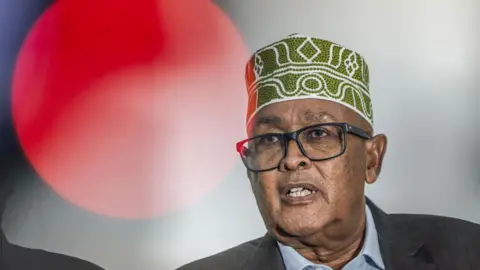
Israel has become the first country to formally recognize Somalia's breakaway region of Somaliland as an independent nation. Prime Minister Benjamin Netanyahu stated that Israel intends to immediately expand cooperation in agriculture, health, and technology. Somaliland's president, Abdirahman Mohamed Abdullahi, called the development 'a historic moment.' Recognition by Israel could encourage other nations to follow suit, potentially increasing the region's diplomatic credentials and access to international markets. However, Somalia's prime minister, Hamza Abdi Barre, condemned the action as a deliberate attack on his country's sovereignty.Abdullahi stated that Somaliland would join the Abraham Accords, viewing it as a step toward regional and global peace. He emphasized Somaliland's commitment to building partnerships and promoting stability across the Middle East and Africa. The decision has been met with backlash from several countries, including Somalia, Egypt, Turkey, and Djibouti, which collectively affirmed their rejection of Israel's announcement.Israeli Foreign Minister Gideon Saar confirmed that both countries intend to establish full diplomatic ties, including the appointment of ambassadors and opening embassies. Meanwhile, Egypt's foreign minister has held discussions with counterparts from Somalia, Turkey, and Djibouti regarding Israel's declaration, reaffirming their support for Somalia's sovereignty and warning against actions that could threaten stability. The international community remains concerned about the implications of recognizing regions as independent and the potential precedent it sets under international law.Somaliland has its own currency, passports, and police force and was declared independent in 1991 after a civil war against former Somali dictator Siad Barre. Despite its self-governance, Somaliland has faced decades of isolation and regional disputes involving its neighbors. The recent acknowledgment from Israel may alter the diplomatic landscape in the region, prompting further developments in international relations.