A Palestinian official in the occupied West Bank has described Israel's latest expansion of control there as the end of the road for negotiations between Israelis and Palestinians.
Asma al-Sharabati, acting mayor of Hebron, said new legal changes recently announced by Israeli cabinet ministers would leave Palestinian authorities shut out of decisions on urban planning and development, even in areas under Palestinian control.
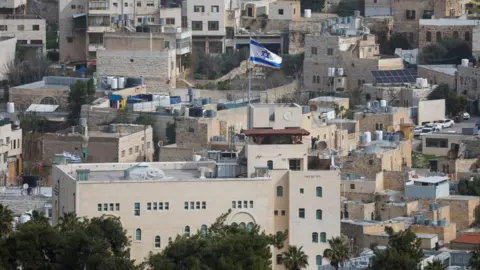
Hebron is a regular flashpoint in the West Bank - a divided city, where soldiers guard hundreds of Israeli settlers living alongside Palestinians in an Israeli military garrison.
On Sunday, the Israeli security cabinet passed major changes to the established division of powers in the West Bank, set up three decades ago under the US-backed Oslo Accords, signed by both Israeli and Palestinian leaders. The changes include expanding Israeli control beyond military occupation into the provision of municipal services in Palestinian-run areas and broad powers to take over so-called heritage sites across the West Bank.
Israel will take over planning authority at the Cave of the Patriarchs in Hebron, which sits inside the city's Ibrahimi Mosque, a site sacred to both Jews and Muslims. Al-Sharabati expressed deep concern over these steps, stating, Now they can simply put their hands on any building and declare it is ancient, and the Palestinian authorities are not part of any decision on urban planning or development of the area.
Local leaders fear these new measures will effectively eliminate Palestinian governance, with Hebron's mayor stating, We are living the ugly truth that we are not protected. Institutions are not protecting us.
The implications of these changes extend beyond Hebron, posing serious challenges to the ongoing conversation about peace and statehood for Palestinians amidst rising Israeli settlements in the West Bank.
Asma al-Sharabati, acting mayor of Hebron, said new legal changes recently announced by Israeli cabinet ministers would leave Palestinian authorities shut out of decisions on urban planning and development, even in areas under Palestinian control.
Hebron is a regular flashpoint in the West Bank - a divided city, where soldiers guard hundreds of Israeli settlers living alongside Palestinians in an Israeli military garrison.
On Sunday, the Israeli security cabinet passed major changes to the established division of powers in the West Bank, set up three decades ago under the US-backed Oslo Accords, signed by both Israeli and Palestinian leaders. The changes include expanding Israeli control beyond military occupation into the provision of municipal services in Palestinian-run areas and broad powers to take over so-called heritage sites across the West Bank.
Israel will take over planning authority at the Cave of the Patriarchs in Hebron, which sits inside the city's Ibrahimi Mosque, a site sacred to both Jews and Muslims. Al-Sharabati expressed deep concern over these steps, stating, Now they can simply put their hands on any building and declare it is ancient, and the Palestinian authorities are not part of any decision on urban planning or development of the area.
Local leaders fear these new measures will effectively eliminate Palestinian governance, with Hebron's mayor stating, We are living the ugly truth that we are not protected. Institutions are not protecting us.
The implications of these changes extend beyond Hebron, posing serious challenges to the ongoing conversation about peace and statehood for Palestinians amidst rising Israeli settlements in the West Bank.