Israel has taken the controversial decision to recognise the breakaway state of Somaliland as an independent nation, sparking condemnation from many other countries. China is the latest to condemn the decision, with its foreign ministry spokesperson Lin Jian stating, No country should encourage or support other countries' internal separatist forces for its own selfish interests. This condemnation comes just ahead of an emergency session of the UN Security Council set to discuss Israel's decision.
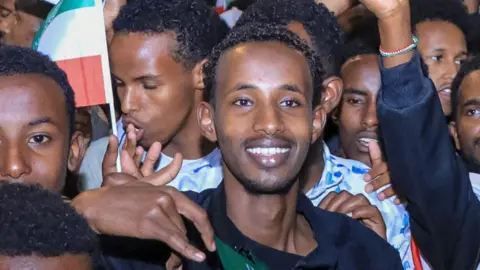
On Friday, Israel became the first country worldwide to acknowledge Somaliland as a standalone republic, more than 30 years after the region declared independence from Somalia. Somaliland's president hailed the development as a historic moment, while Somalia furiously rejected Israel's move as an attack on its sovereignty.
Dozens of countries and organizations, including Turkey, Saudi Arabia, and the African Union, have condemned what they see as a violation of international norms regarding state recognition. The African Union is particularly concerned that recognizing Somaliland could incite other separatist movements across the continent.
The backdrop to this recognition involves Somaliland’s struggle for independence, stemming from its history as a British protectorate before merging with Italian Somaliland to form the Somali Republic in 1960. Since breaking away amid civil wars following the collapse of the Somali state in 1991, Somaliland has sought recognition while establishing a functioning government and institutions, despite lacking international acknowledgment.
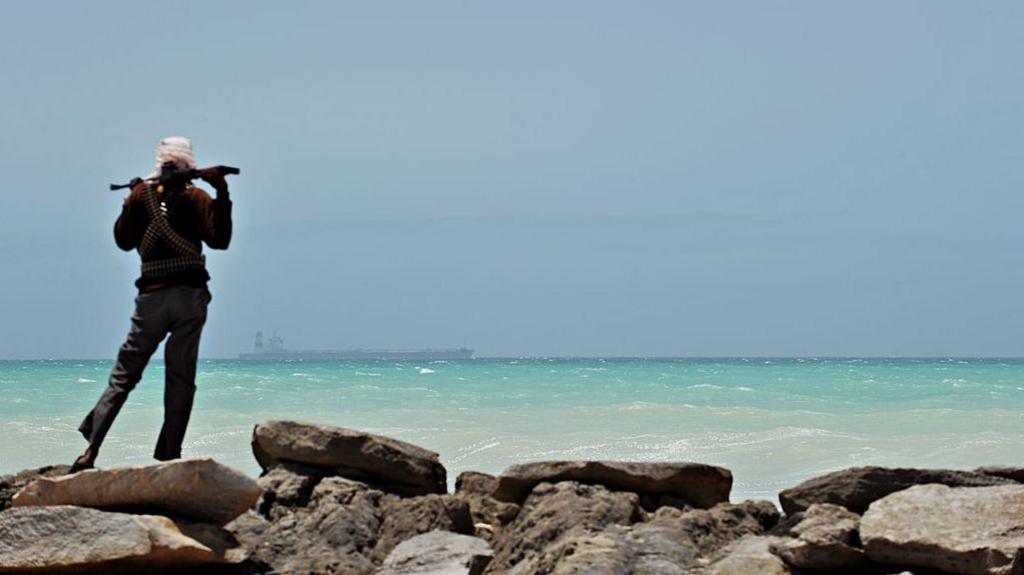
Israeli Prime Minister Benjamin Netanyahu explained that this recognition aligns with Somaliland’s right to self-determination and opens up opportunities for partnership. Analysts suggest strategic reasons for this decision, including the desire for allies in the Red Sea area amid rising tensions with Iran-backed groups.
With the geopolitical landscape shifting, critics warn that Israel’s move could trigger a domino effect, challenging existing national boundaries on the continent. Mumbai-based analyst Abdurahman Sayed remarked on the potential for instability should other regions pursue similar paths as Somaliland, highlighting the delicate balance between territorial integrity and self-determination in the heavily segmented context of African national politics.
On Friday, Israel became the first country worldwide to acknowledge Somaliland as a standalone republic, more than 30 years after the region declared independence from Somalia. Somaliland's president hailed the development as a historic moment, while Somalia furiously rejected Israel's move as an attack on its sovereignty.
Dozens of countries and organizations, including Turkey, Saudi Arabia, and the African Union, have condemned what they see as a violation of international norms regarding state recognition. The African Union is particularly concerned that recognizing Somaliland could incite other separatist movements across the continent.
The backdrop to this recognition involves Somaliland’s struggle for independence, stemming from its history as a British protectorate before merging with Italian Somaliland to form the Somali Republic in 1960. Since breaking away amid civil wars following the collapse of the Somali state in 1991, Somaliland has sought recognition while establishing a functioning government and institutions, despite lacking international acknowledgment.
Israeli Prime Minister Benjamin Netanyahu explained that this recognition aligns with Somaliland’s right to self-determination and opens up opportunities for partnership. Analysts suggest strategic reasons for this decision, including the desire for allies in the Red Sea area amid rising tensions with Iran-backed groups.
With the geopolitical landscape shifting, critics warn that Israel’s move could trigger a domino effect, challenging existing national boundaries on the continent. Mumbai-based analyst Abdurahman Sayed remarked on the potential for instability should other regions pursue similar paths as Somaliland, highlighting the delicate balance between territorial integrity and self-determination in the heavily segmented context of African national politics.