In brief
Israel’s upcoming election pits incumbent prime minister Benjamin Netanyahu against former army chief Gadi Eisenkot. Security has dominated the debate, with Netanyahu criticised for the 7 October attacks and Eisenkot pledging to end Hamas rule. Democratic concerns rise amid Netanyahu’s corruption trial and controversial judicial reforms. With no single bloc holding a majority, coalition talks could reshape Israel’s political landscape.
Israel’s election showdown
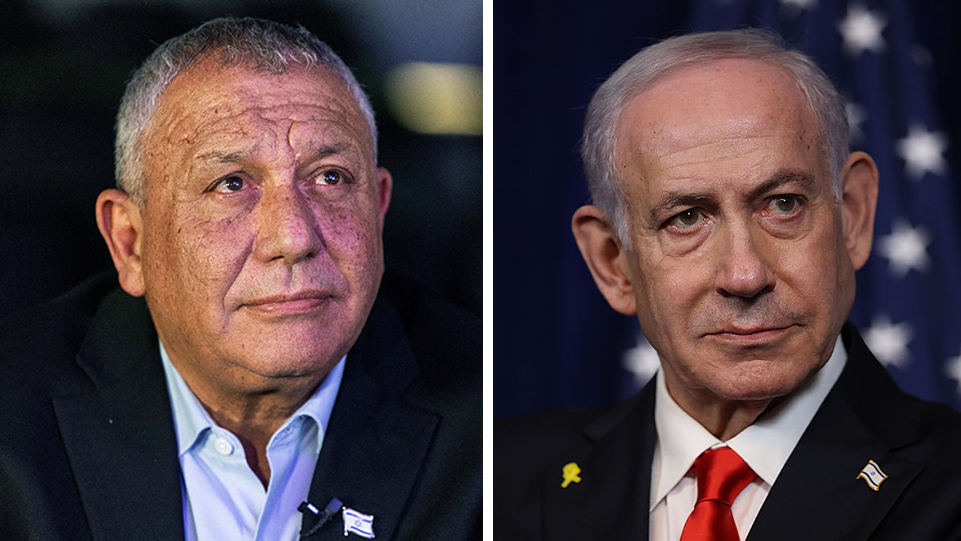
Israel is gearing up for what many have called a historical election. The race is hotly contested between incumbent prime minister Benjamin Netanyahu and former army chief Gadi Eisenkot, who leads the new Yashar party.
Security is the headline issue. Critics say Netanyahu’s record on the 7 October Hamas attacks and his push to block an independent inquiry have cost his popularity. Meanwhile, Eisenkot pledges to end Hamas rule within 18 months – through diplomatic or military means – and argues for a balanced approach to the war.
Democracy is also at stake. Netanyahu faces corruption charges and a controversial judicial reform that sparked protests. The far‑right and ultra‑Orthodox parties are key coalition players, while Arab parties could become kingmakers if no bloc secures a majority of 61 seats.
With thousands returning from abroad and half a million first‑time voters, the outcome could reshape Israel’s political landscape. Votes will be counted Wednesday, and if no majority emerges, another election may be called, keeping Netanyahu as interim prime minister.