In brief
After a powerful 7.5 magnitude earthquake hit northeastern Japan, concerns about a 'megaquake' have surged. Officials indicated a 60-90% chance of a massive earthquake occurring in the Nankai Trough within the next three decades, with dire predictions including possible tsunamis and significant loss of life. Citizens are advised to prepare emergency kits and stay alert, while experts debate the predictability of such seismic events.
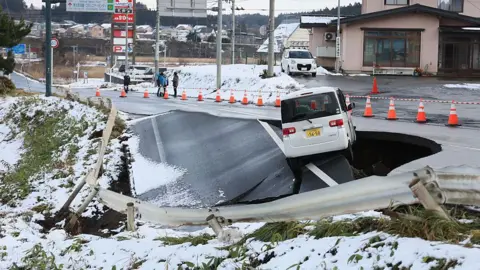
Following a magnitude 7.5 earthquake that struck northeastern Japan, authorities have warned residents about the possibility of an impending megaquake—an event occurring once every century that could have devastating consequences. The Japan earthquake investigation panel reported a 60-90% chance of a megaquake hitting the Nankai Trough, a seismically active region, within the next 30 years.In April, officials had already forecast a potential tsunami of over 20 meters (66 feet) that could hit Tokyo, predicting extensive casualties and economic damage. With the latest quake, many are now reflecting on the threat of the so-called 'big one.'Officials have urged residents in seven prefectures from Hokkaido to Chiba to remain on high alert, advising them to secure furniture, prepare emergency kits, and check evacuation routes. Public statements assured that, while the possibility of a major quake is notably heightened, there is currently no immediate evacuation order.Earthquakes, particularly megathrusts along the Nankai Trough, occur about every hundred years, with the last events recorded in the mid-20th century. Though predicting earthquakes remains scientifically challenging, the recent tremors have reinforced concerns about future seismic activity and its potentially calamitous impact on densely populated areas of Japan.