In brief
South Korea’s entertainment scene is rocked by scandals involving beloved comedians and actors, leading to their departures from popular shows. Allegations of workplace bullying and ties to gang members raise questions about the harsh standards facing celebrities. The public is divided on whether past actions should dictate someone's future in the spotlight, spotlighting a broader issue of cancel culture in the country.
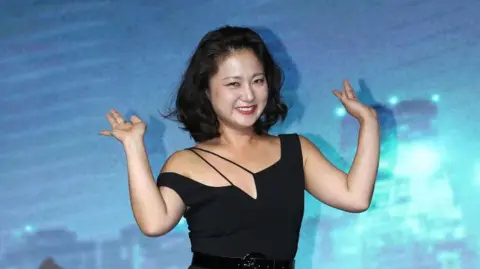
In a matter of days, three big names in South Korea's entertainment industry have made headlines in separate scandals that could derail their careers. The allegations that have embroiled comedians Park Na-rae and Cho Sae-ho, as well as veteran actor Cho Jin-woong, are all different - ranging from workplace abuse to previous teenage detention to associations with a gang member. But the results have been the same: departures from the television screens where they had worked their way up to become household names. The scandals have also raised questions about the standards to which South Korea's public figures are held - especially in the entertainment industry.Park Na-rae, one of the country's most successful female comedians, made headlines last week when two of her former managers lodged criminal complaints claiming she had verbally abused and physically assaulted them. The 40-year-old had also made them do her personal chores, they alleged. Park has denied these allegations and sued the former managers for blackmail, her agency said over the weekend.Another comedian who has come under scrutiny over the past week is Cho Sae-ho. Rumours started swirling last week that the 43-year-old was friends with a prominent local gang member and had received money to promote the latter's business. Backlash came swiftly, as social media users demanded that Cho Sae-ho be removed from the popular variety shows he hosted. On Tuesday, Cho Sae-ho's agency announced that he would leave the shows - though it denied his links to the gang's business activities.The most controversial case is that of veteran actor Cho Jin-woong, who announced his retirement amid allegations of past robbery and sexual assault as a teen. The abrupt announcement followed reports of his juvenile detention due to criminal activities. These scandals have sparked heated debates about cancel culture in South Korea and how society judges the past actions of public figures. Many are calling for a reconsideration of how celebrities are held accountable while voicing concern over the impact of cancel culture on individuals and the industry.