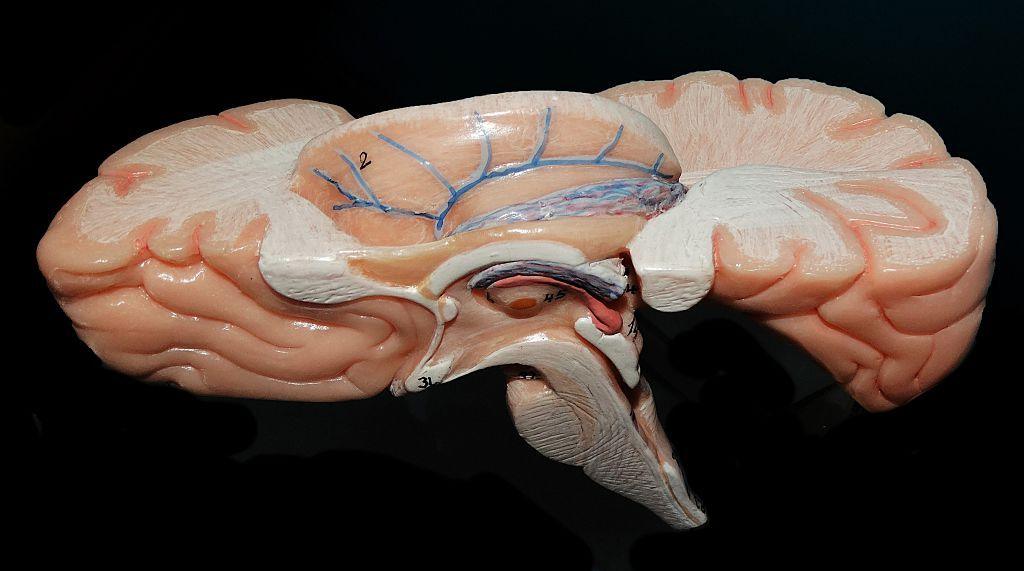
In her thought-provoking book "The Ideological Brain: The Radical Science of Flexible Thinking," neuroscientist and political psychologist Leor Zmigrod reveals how our brain's wiring influences our adherence to rigid ideologies. According to Zmigrod, while ideologies provide comfort and community through simplified narratives about the world, they often numb our ability to experience life fully.
Ideologies come with strict rules about how we should think and act, often condemning any deviation. This presents a double-edged sword; while they can create a sense of belonging and explain complex realities, they also narrow our adaptive thinking and risk misinterpreting evidence. Zmigrod emphasizes that these rigid thought patterns can lead to unreliable narratives and perpetuate partisan divides in our society, highlighting the need for a more flexible approach to understanding the world. In a time of contrasting perceptions, her insights encourage us to reflect on the impact of ideology on our cognitive processes and interactions.
Ideologies come with strict rules about how we should think and act, often condemning any deviation. This presents a double-edged sword; while they can create a sense of belonging and explain complex realities, they also narrow our adaptive thinking and risk misinterpreting evidence. Zmigrod emphasizes that these rigid thought patterns can lead to unreliable narratives and perpetuate partisan divides in our society, highlighting the need for a more flexible approach to understanding the world. In a time of contrasting perceptions, her insights encourage us to reflect on the impact of ideology on our cognitive processes and interactions.