As the sun rose on October 7, 2023, a wave of chaos enveloped the Nova music festival near Gaza's border when Hamas gunmen attacked attendees, many of whom were under the influence of recreational drugs like MDMA and LSD. A study by Haifa University researchers suggests that MDMA, also known as ecstasy, might have given some survivors psychological protection against trauma.
The preliminary study, currently under peer review, examined the mental health responses of over 650 festival attendees, finding that two-thirds were on various substances during the attack. Notably, those who had taken pure MDMA experienced less mental distress and better sleep in the months following the incident compared to those who had not used any substances. Prof. Roy Salomon, a leader in the research, noted that MDMA could enhance feelings of connection and safety, potentially mitigating the shock of the traumatic event.
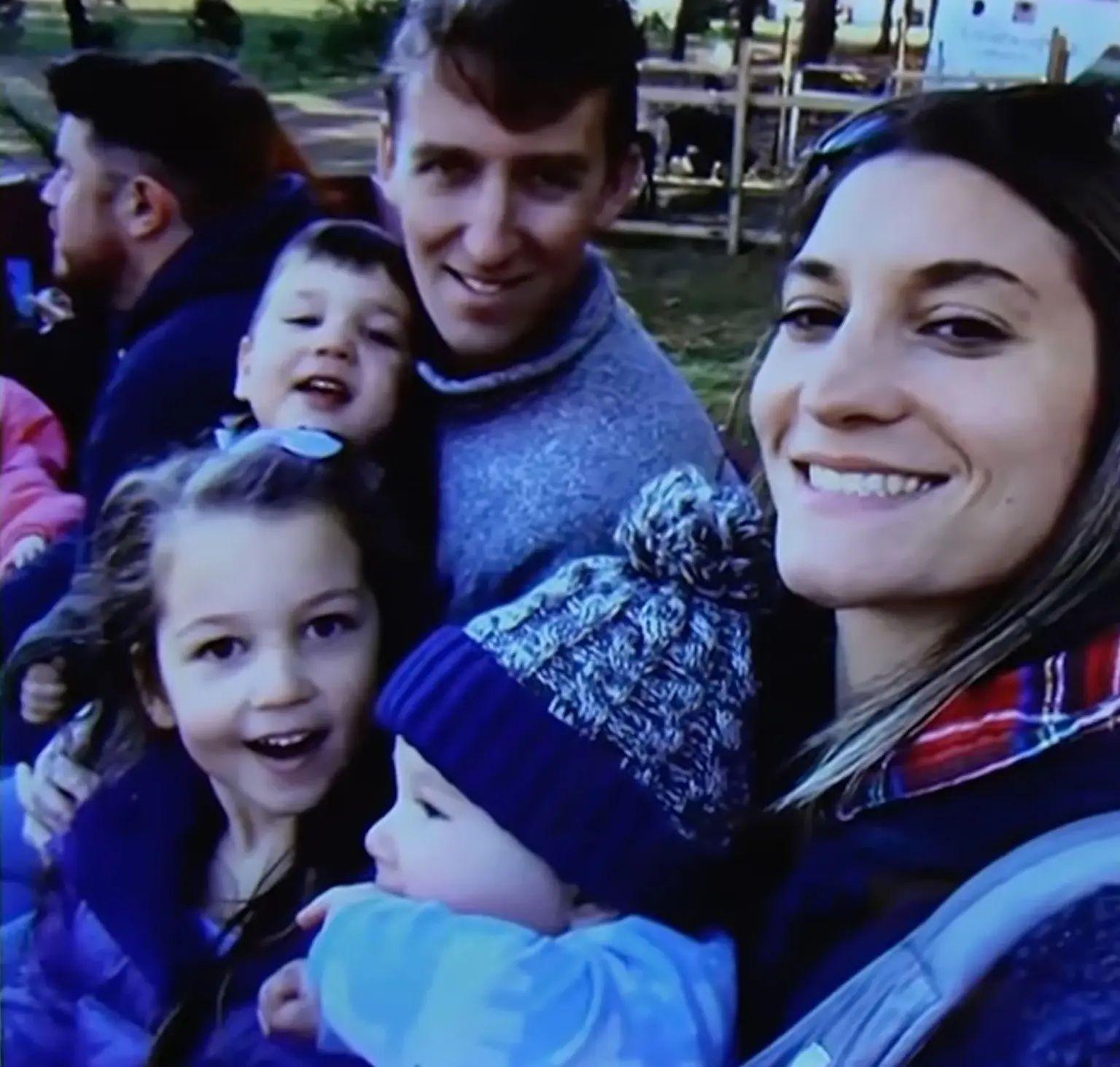
Survivors, including Michal Ohana, shared personal accounts, asserting that MDMA provided a protective barrier during the crisis that likely saved their lives. Clinicians around the world are increasingly interested in MDMA-assisted therapy for PTSD, and while some countries like Australia have embraced it, skepticism remains elsewhere, particularly regarding its safety and efficacy.
The attacks have sparked a shift in how Israeli society views mental health, with widespread acknowledgment of trauma's impact. Experts like Dr. Anna Harwood-Gross note that emerging research supports the therapeutic potential of MDMA, prompting new therapeutic approaches. As both Israeli and Gazan communities grapple with deepening trauma from ongoing conflict, the need for effective mental health strategies has never been more urgent.
The preliminary study, currently under peer review, examined the mental health responses of over 650 festival attendees, finding that two-thirds were on various substances during the attack. Notably, those who had taken pure MDMA experienced less mental distress and better sleep in the months following the incident compared to those who had not used any substances. Prof. Roy Salomon, a leader in the research, noted that MDMA could enhance feelings of connection and safety, potentially mitigating the shock of the traumatic event.
Survivors, including Michal Ohana, shared personal accounts, asserting that MDMA provided a protective barrier during the crisis that likely saved their lives. Clinicians around the world are increasingly interested in MDMA-assisted therapy for PTSD, and while some countries like Australia have embraced it, skepticism remains elsewhere, particularly regarding its safety and efficacy.
The attacks have sparked a shift in how Israeli society views mental health, with widespread acknowledgment of trauma's impact. Experts like Dr. Anna Harwood-Gross note that emerging research supports the therapeutic potential of MDMA, prompting new therapeutic approaches. As both Israeli and Gazan communities grapple with deepening trauma from ongoing conflict, the need for effective mental health strategies has never been more urgent.