In brief
One year after militants targeted tourists in Kashmir, families of the victims are still mourning. Aishanya Dwivedi recalls her husband's tragic death during the attack, highlighting the struggles of living with grief and the impact of violence on personal lives. While some families seek closure through speaking out, others remain silent, weighed down by their memories. The region’s continuing strife complicates their healing journeys.
One year after a deadly attack on tourists in Indian-administered Kashmir, the families of the victims are still learning how to live with their losses.
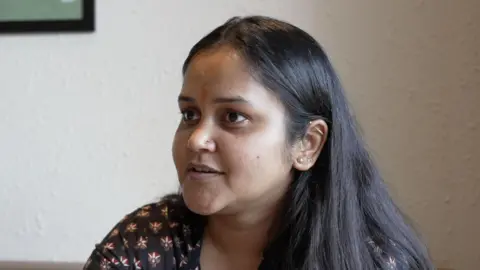
Aishanya Dwivedi remembers the room she once shared with her husband, Shubham—preserved in grief, untouched since that tragic day. Shubham was one of 26 people killed on April 22, 2025, when militants opened fire on tourists near Pahalgam.
This attack, one of the deadliest on civilians in decades, shocked the nation and exacerbated the existing tensions in a region long contested by India and Pakistan.
The aftermath left families grappling with grief in different ways. While Aishanya finds solace in speaking about Shubham, some families, like that of Vinay Narwal—killed during his honeymoon—struggle to even mention his name.
A year later, discussions of the attack remain intense; however, the private pain persists, remodeled by time but not diminished. Victims' families are marked by an enduring absence, yet are forced to adapt to a world devoid of their loved ones.
Aishanya reflects on her memories of Shubham with affection, capturing fleeting moments in photographs and videos, while grappling with the societal expectation that grief should recede with time. In their home, remnants of sorrow coexist with attempts to find joy again.
Ultimately, the story of grief is one of profound duality; families navigate their personal tribulations against the backdrop of an unresolved conflict, seeking understanding in silence or expression. Each has its own way of maintaining a bond to the past while wrestling with the future.