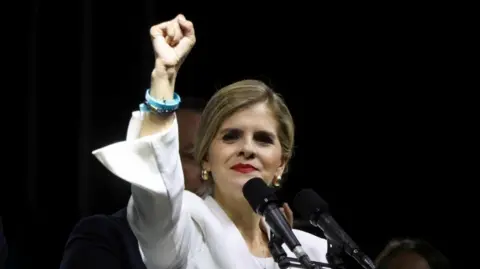
The candidate for the governing conservative Sovereign People's Party, Laura Fernández, has won the presidential election in Costa Rica. With more than 88% of the votes counted, Fernández had over 48% of the votes, far ahead of the second-placed centrist candidate, Álvaro Ramos, who conceded defeat.
Fernández ran on a promise to deepen the tough-on-crime approach of the outgoing President Rodrigo Chaves, who had handpicked her as his successor. Voters had expressed concern about a surge in drug-related violence recently.
The size of her vote share exceeded the 40% needed to win outright in the first round, meaning no run-off will be needed. Fernández will be sworn in on May 8 and emphasized that she would continue the policies of President Chaves, her former chief of staff.
Despite concerns over crime, Costa Rica has generally been considered one of Central America's safer countries and a stable democracy, but rising crime rates have alarmed many citizens. During her campaign, Fernández indicated intentions to implement stringent crime policies similar to those of El Salvador's President Bukele, which have gained substantial approval ratings due to significant reductions in the murder rate.
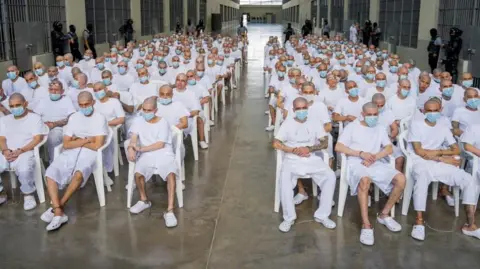
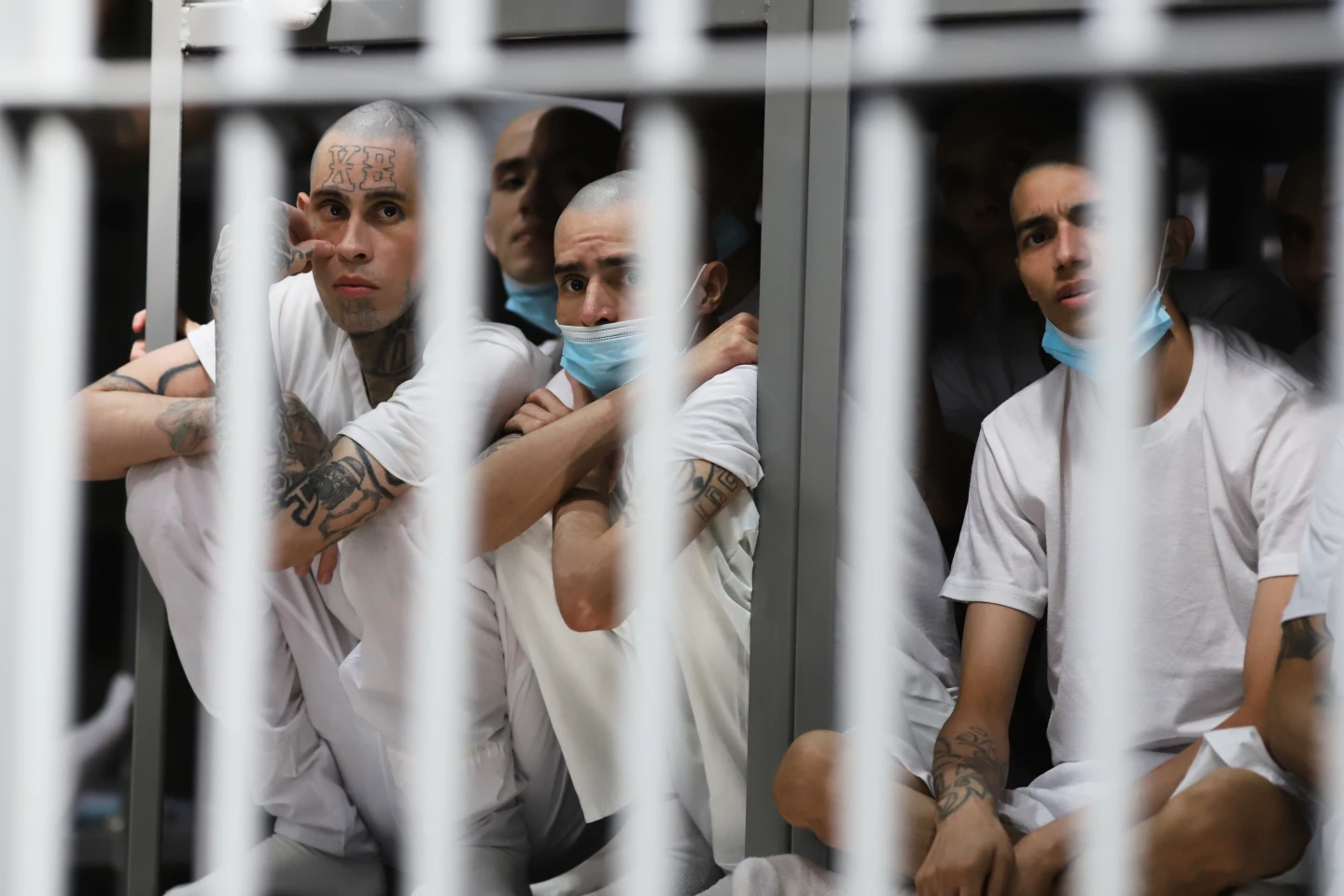
Fernández aims to declare a state of emergency in areas dominated by gangs and complete the construction of a high-security jail based on Bukele's Cecot prison model. In her victory address, she reassured critics that her government would prioritize 'dialogue and national harmony' while upholding the rule of law, even as she acknowledged challenges from the opposition.
Her party has gained significant backing in parliament, winning 30 out of 57 seats, indicating a strong legislative foundation for her policies moving forward. With the presidency, Fernández becomes only the second woman to govern Costa Rica, following Laura Chinchilla, who was elected in 2010.
Fernández ran on a promise to deepen the tough-on-crime approach of the outgoing President Rodrigo Chaves, who had handpicked her as his successor. Voters had expressed concern about a surge in drug-related violence recently.
The size of her vote share exceeded the 40% needed to win outright in the first round, meaning no run-off will be needed. Fernández will be sworn in on May 8 and emphasized that she would continue the policies of President Chaves, her former chief of staff.
Despite concerns over crime, Costa Rica has generally been considered one of Central America's safer countries and a stable democracy, but rising crime rates have alarmed many citizens. During her campaign, Fernández indicated intentions to implement stringent crime policies similar to those of El Salvador's President Bukele, which have gained substantial approval ratings due to significant reductions in the murder rate.
Fernández aims to declare a state of emergency in areas dominated by gangs and complete the construction of a high-security jail based on Bukele's Cecot prison model. In her victory address, she reassured critics that her government would prioritize 'dialogue and national harmony' while upholding the rule of law, even as she acknowledged challenges from the opposition.
Her party has gained significant backing in parliament, winning 30 out of 57 seats, indicating a strong legislative foundation for her policies moving forward. With the presidency, Fernández becomes only the second woman to govern Costa Rica, following Laura Chinchilla, who was elected in 2010.