Lebanon is once again caught in the crosshairs of conflict as it begins discussions with Israel, a country with which it has no formal diplomatic relations. The backdrop of these talks is extremely volatile, marked by ongoing Israeli air strikes and the entrenched presence of Hezbollah, a militia that Lebanon's President Joseph Aoun recognizes as both a protectorate and a complicating factor in any negotiations.
With Lebanon's population of approximately 5.8 million people, the societal landscape is deeply fragmented along sectarian lines, complicating the prospect of disarmament of Hezbollah and presenting challenges for the Lebanese government, which has limited leverage over the militia.
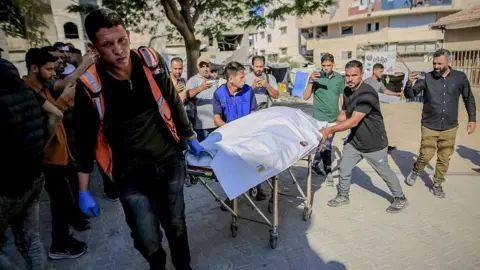
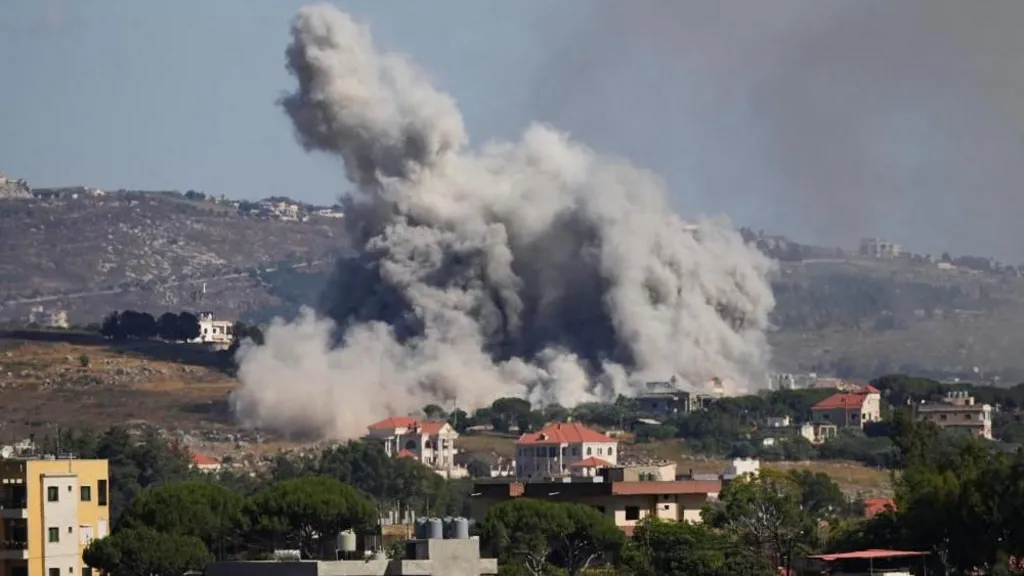
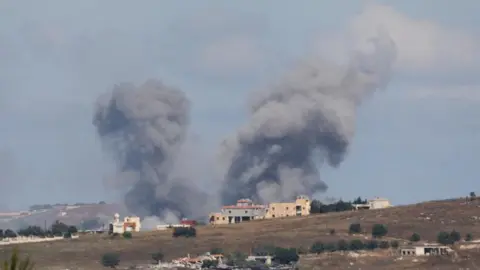
Recent days have seen significant escalations, with air strikes on Beirut causing considerable casualties, propelling calls for a ceasefire amidst widespread fear. As the Israeli army pushes for buffer zones in southern Lebanon, displaced families face uncertainty about their return.
The internal divisions are pronounced, with a Gallup poll indicating that a majority of the Christian and Sunni populations support the disarming of all factions, while over two-thirds of the Shia population, who are significantly impacted by Hezbollah's actions, oppose such measures.
President Aoun's efforts to broker peace will hinge on delicate negotiations, as he grapples with Hezbollah's determination to maintain its military authority, often seen as a stalemate for the Lebanese government.
As talks loom, many Lebanese citizens lament their situation amid what feels like a continuous state of war, leaving them apprehensive about the future.
With Lebanon's population of approximately 5.8 million people, the societal landscape is deeply fragmented along sectarian lines, complicating the prospect of disarmament of Hezbollah and presenting challenges for the Lebanese government, which has limited leverage over the militia.
Recent days have seen significant escalations, with air strikes on Beirut causing considerable casualties, propelling calls for a ceasefire amidst widespread fear. As the Israeli army pushes for buffer zones in southern Lebanon, displaced families face uncertainty about their return.
The internal divisions are pronounced, with a Gallup poll indicating that a majority of the Christian and Sunni populations support the disarming of all factions, while over two-thirds of the Shia population, who are significantly impacted by Hezbollah's actions, oppose such measures.
President Aoun's efforts to broker peace will hinge on delicate negotiations, as he grapples with Hezbollah's determination to maintain its military authority, often seen as a stalemate for the Lebanese government.
As talks loom, many Lebanese citizens lament their situation amid what feels like a continuous state of war, leaving them apprehensive about the future.