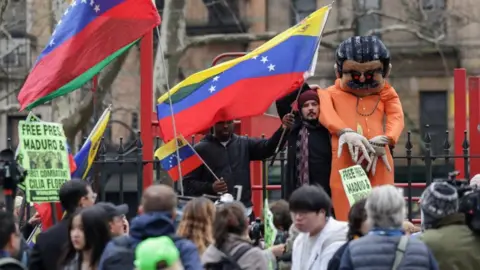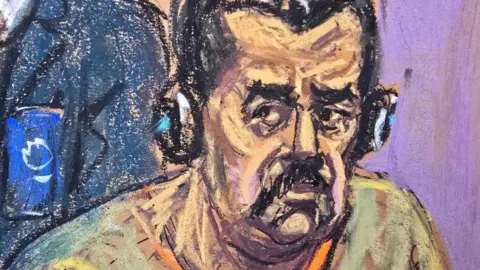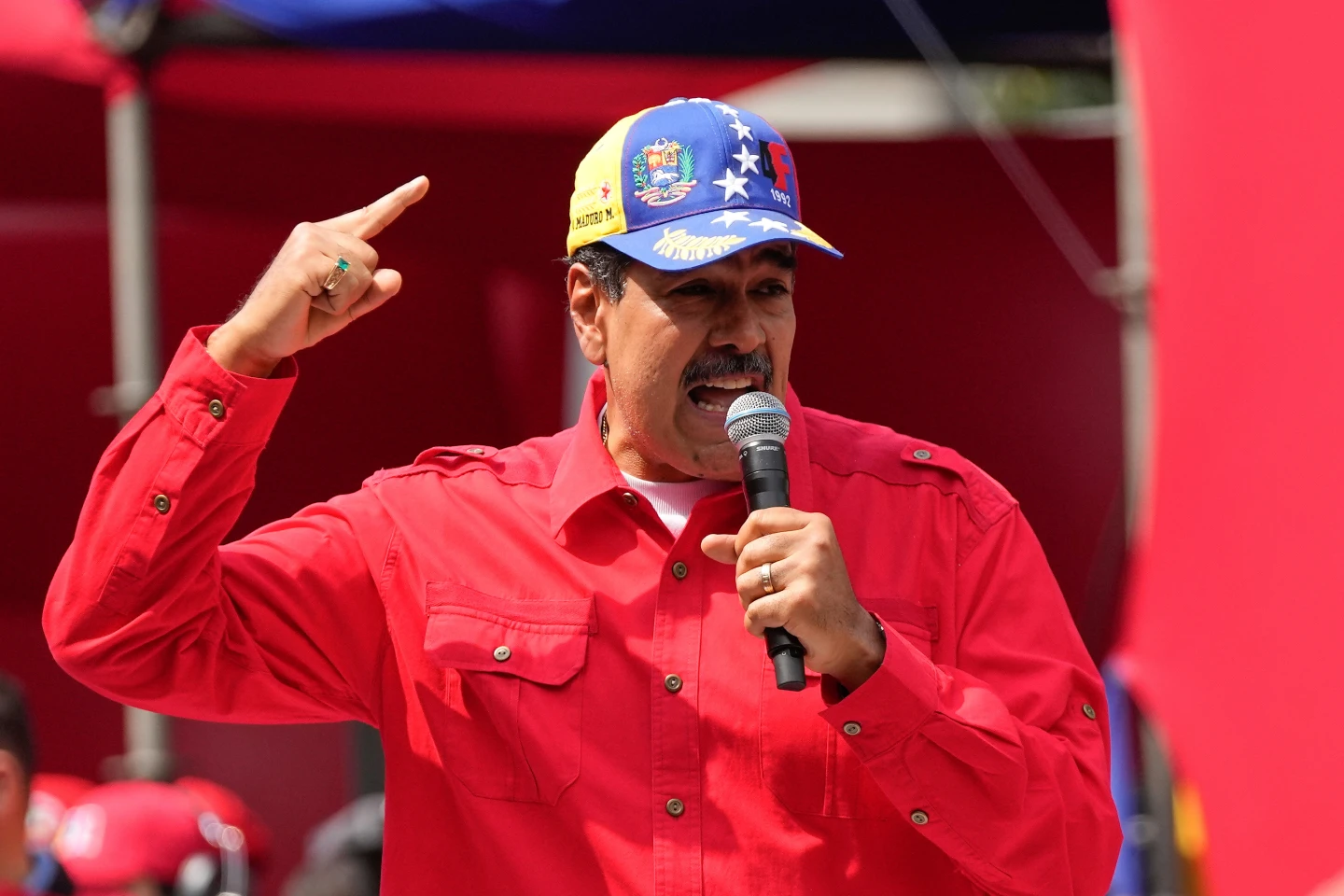
On Monday morning, a handcuffed, jumpsuit-clad Nicolás Maduro stepped off a military helicopter in New York City, flanked by armed federal agents. The Venezuelan president had spent the night in a notorious federal jail in Brooklyn, before authorities transported him to a Manhattan courthouse to face criminal charges.
Attorney General Pam Bondi has said Maduro was brought to the US to face justice. But international law experts question the legality of the Trump administration's actions, and argue the US may have violated international statutes governing the use of force. Domestically, however, the US's actions fall into a legal grey area that may still result in Maduro standing trial, regardless of the circumstances that brought him there.
The US maintains its actions were legally justified. The Trump administration has accused Maduro of narco-terrorism and enabling the transport of thousands of tonnes of cocaine to the US. All personnel involved acted professionally, decisively, and in strict accordance with US law and established protocols, Bondi said in a statement.
Maduro has long denied US allegations that he oversees an illegal drug operation, and in court in New York on Monday he entered a plea of not guilty.
While the charges focus on drugs, the US prosecution of Maduro comes amid years of criticism of his leadership by the international community. In 2020, UN investigators accused his government of committing crimes against humanity. The methods used to apprehend Maduro, however, are drawing significant scrutiny.
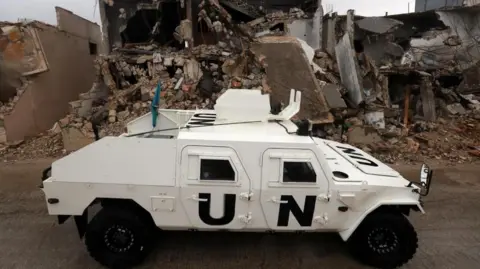
Experts argue that the operation, conducted without UN approval, constitutes a violation of international law. Critics highlight that conducting military operations in another country without consent raises major legal and ethical concerns.
Ultimately, even if the operation is determined illegal, previous legal precedents suggest Maduro’s trial could proceed. The US courts have historically recognized jurisdiction over cases irrespective of how defendants were brought to the country.