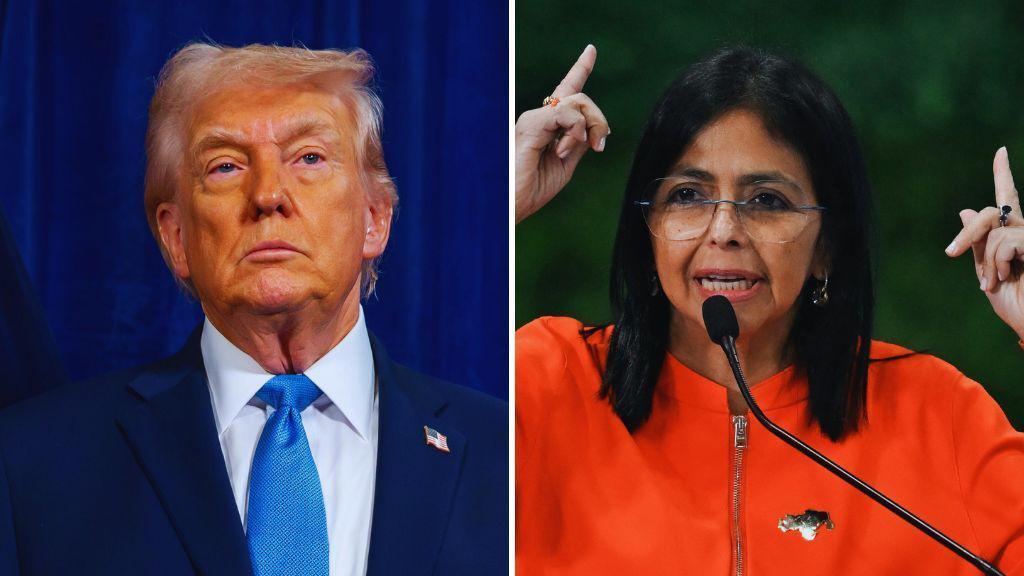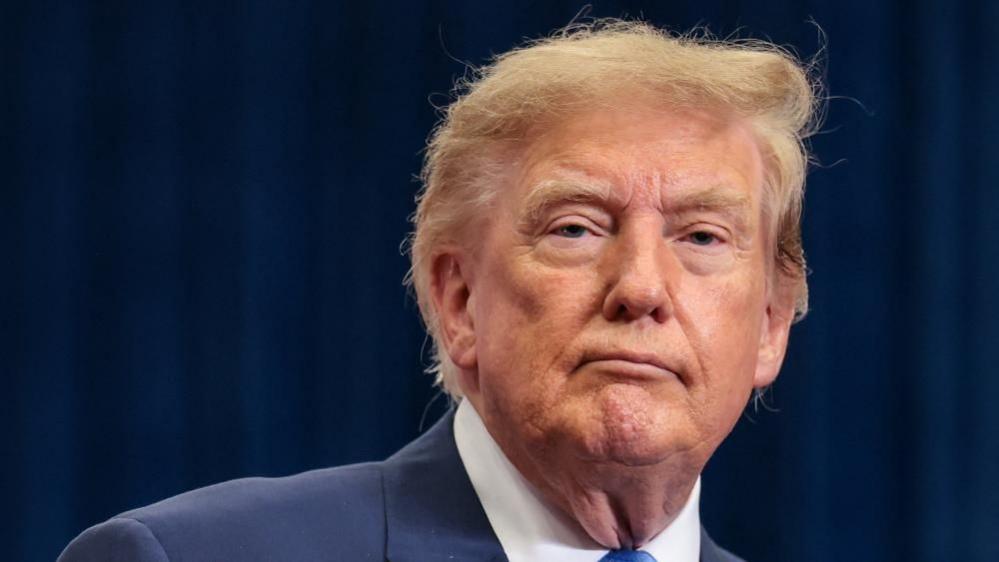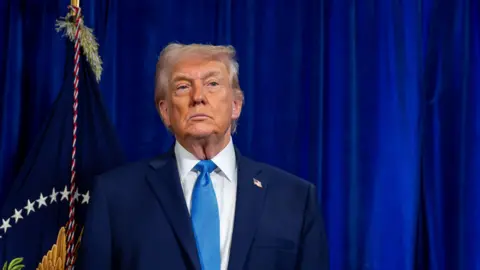
With the seizure of Venezuelan leader Nicolás Maduro, Donald Trump has demonstrated a powerful assertion of American military influence, proclaiming that the U.S. will take charge in Venezuela. The implications of this move, communicated in a news conference at his Mar-a-Lago estate, raise concerns about the future of democratic governance around the world. Trump spoke about controlling Venezuela until a 'safe and proper' transition can occur, emphasizing the U.S. military's readiness to further intervene if needed.
Experts warn that Trump's actions could inspire other authoritarian regimes to follow suit, making interventions under dubious legal justifications much more common. The removal of Maduro, hailed by many Venezuelans, could lead to violent instability amidst armed factions competing for power. Past U.S. interventions have not borne good fruit, suggesting that merely overthrowing a dictator does not guarantee peace or democracy.
Trump's rhetoric about 'American dominance' hints at a broader strategy reminiscent of the historical Monroe Doctrine, indicating he has little regard for international law when it conflicts with U.S. interests.
While this operation may shine a light on Trump's military ambitions, experts caution that the true challenge lies in stabilizing the local governance structure and ensuring that new leaders represent the will of the Venezuelan people—not just U.S. interests. The unprecedented nature of this intervention lays bare the rising chaos in global politics and the fragility of international agreements governing sovereignty.
Experts warn that Trump's actions could inspire other authoritarian regimes to follow suit, making interventions under dubious legal justifications much more common. The removal of Maduro, hailed by many Venezuelans, could lead to violent instability amidst armed factions competing for power. Past U.S. interventions have not borne good fruit, suggesting that merely overthrowing a dictator does not guarantee peace or democracy.
Trump's rhetoric about 'American dominance' hints at a broader strategy reminiscent of the historical Monroe Doctrine, indicating he has little regard for international law when it conflicts with U.S. interests.
While this operation may shine a light on Trump's military ambitions, experts caution that the true challenge lies in stabilizing the local governance structure and ensuring that new leaders represent the will of the Venezuelan people—not just U.S. interests. The unprecedented nature of this intervention lays bare the rising chaos in global politics and the fragility of international agreements governing sovereignty.