In brief
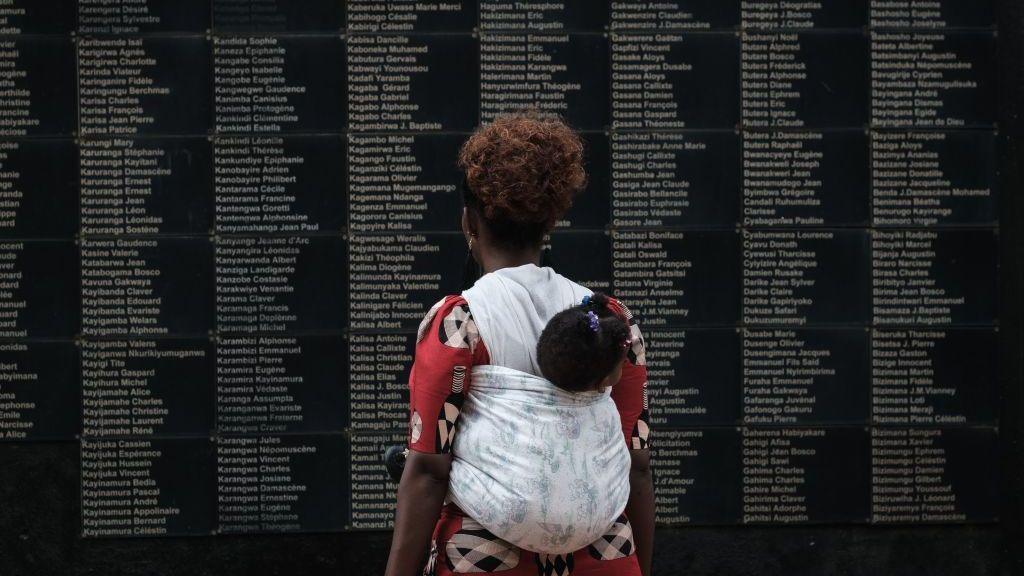
In a dramatic verdict, a Dutch court handed a life sentence to a Dutch‑Rwandan man accused of triggering a hand grenade attack at a Tutsi shelter during Rwanda’s 1994 genocide. The 66‑year‑old, known only as Eugene N, was found guilty of war crimes and genocide for his “genocidal intent” in a stadium massacre that saw thousands of Tutsis and moderate Hutus killed. Despite denying the charges and claiming he was a victim, the trial highlighted his authoritative role and the brutal methods used. Rwanda had sought his extradition in 2014, but the Dutch investigation took over after he became a citizen. The court’s decision sends a stark reminder of how far‑reaching justice can be, even years after atrocity. 30 witnesses were interviewed, and the verdict underscores the ongoing pursuit of accountability for the 100‑day genocide. Fans of justice and history will find the case a chilling reminder of the atrocities that still echo today.
Behind Bars: A Life Sentence for a Genocide Perpetrator
The Netherlands has delivered a shocking verdict: a 66‑year‑old Dutch‑Rwandan, referred to as “Eugene N”, got a life sentence for his part in the 1994 genocide.
The judge said he threw a hand grenade at a crowd of Tutsis taking shelter inside a stadium. He also ordered Hutus not to let the Tutsis escape, and watched the brutal looting and burning of houses.
The case was seized by Dutch authorities in 2020 after Rwanda tried to extradite him in 2014 but did not succeed. Over 30 witnesses were interviewed. N is a former local administrator who oversaw about 1,000 people in Mbazi.
The Verdict – The court found he had “genocidal intent,” leading to a conviction of both genocide and war crimes. Even though he denied the charges and claimed he was a victim, the verdict ended with a life sentence.
His defense team has said they’ll likely appeal the charges. The case underlines how justice can still come decades after atrocities.
For more on the 1994 genocide and Rwanda’s recovery, check out BBC Africa’s grounding coverage.