Despite a week typically filled with glitz and glam, this year's Grammy Awards will focus on community and support, raising funds for fire relief in a city that has witnessed profound loss due to the recent fires.
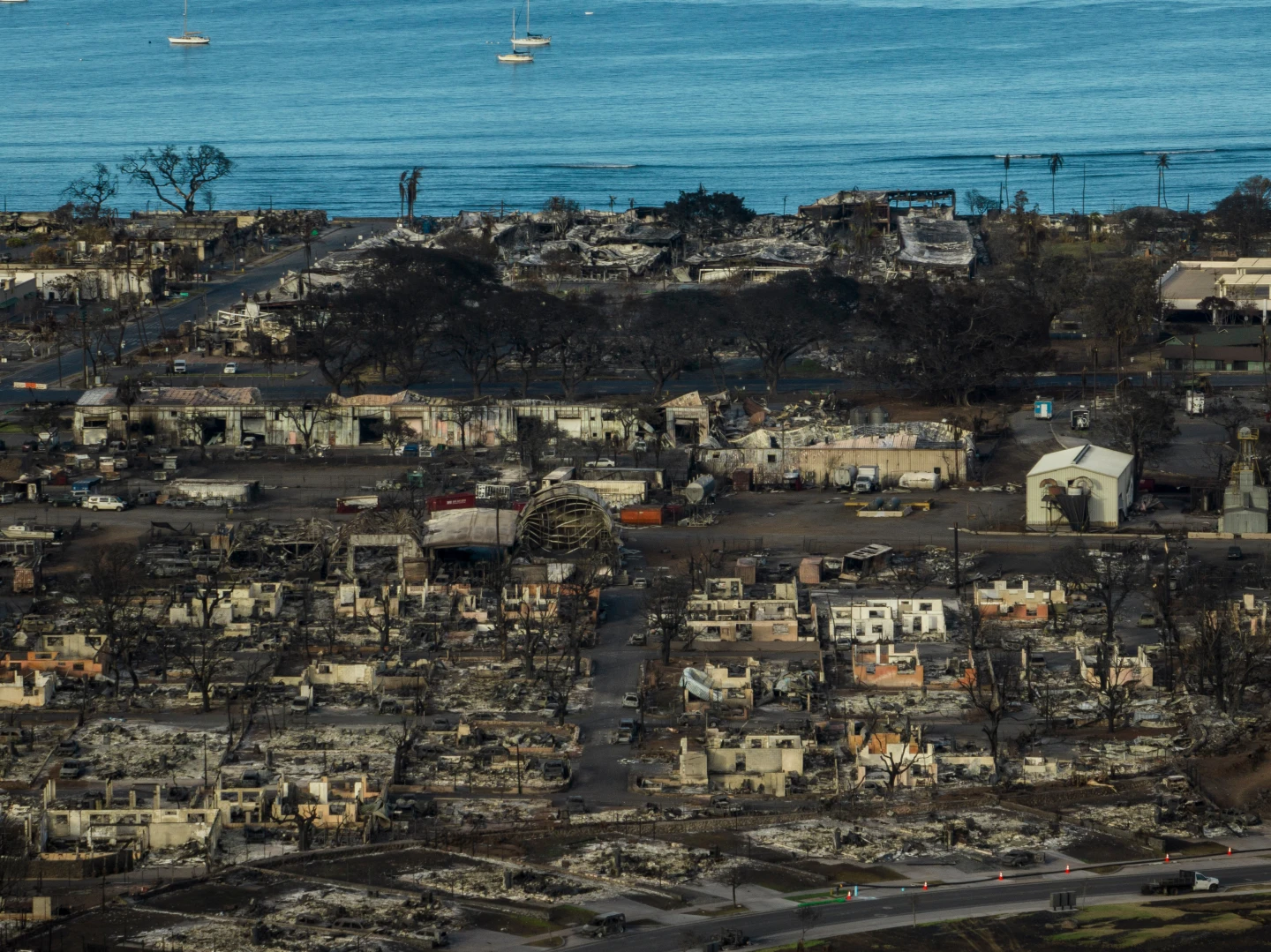
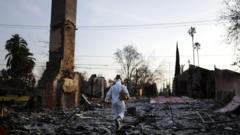
The week leading up to the Grammy Awards normally buzzes with exclusive parties, spotlighting top music talents from around the globe in Los Angeles. However, this year, almost all of that glimmer is absent due to the region's most catastrophic fire event, which raged for 24 days and left 29 people dead and over 16,000 homes destroyed. With many artists and industry professionals impacted, party preparations have transformed into fundraising initiatives.
The Recording Academy emphasizes the need for the ceremony to proceed as it aims to honor victims and first responders while showcasing LA's resilience. Yet, the tone will be more contemplative this year, calling into question whether the allure of celebrity will overshadow the city's suffering. Recording Academy CEO Harvey Mason Jr. noted a shift to a reimagined event, including a scaled-back red carpet and a focus on community unity.
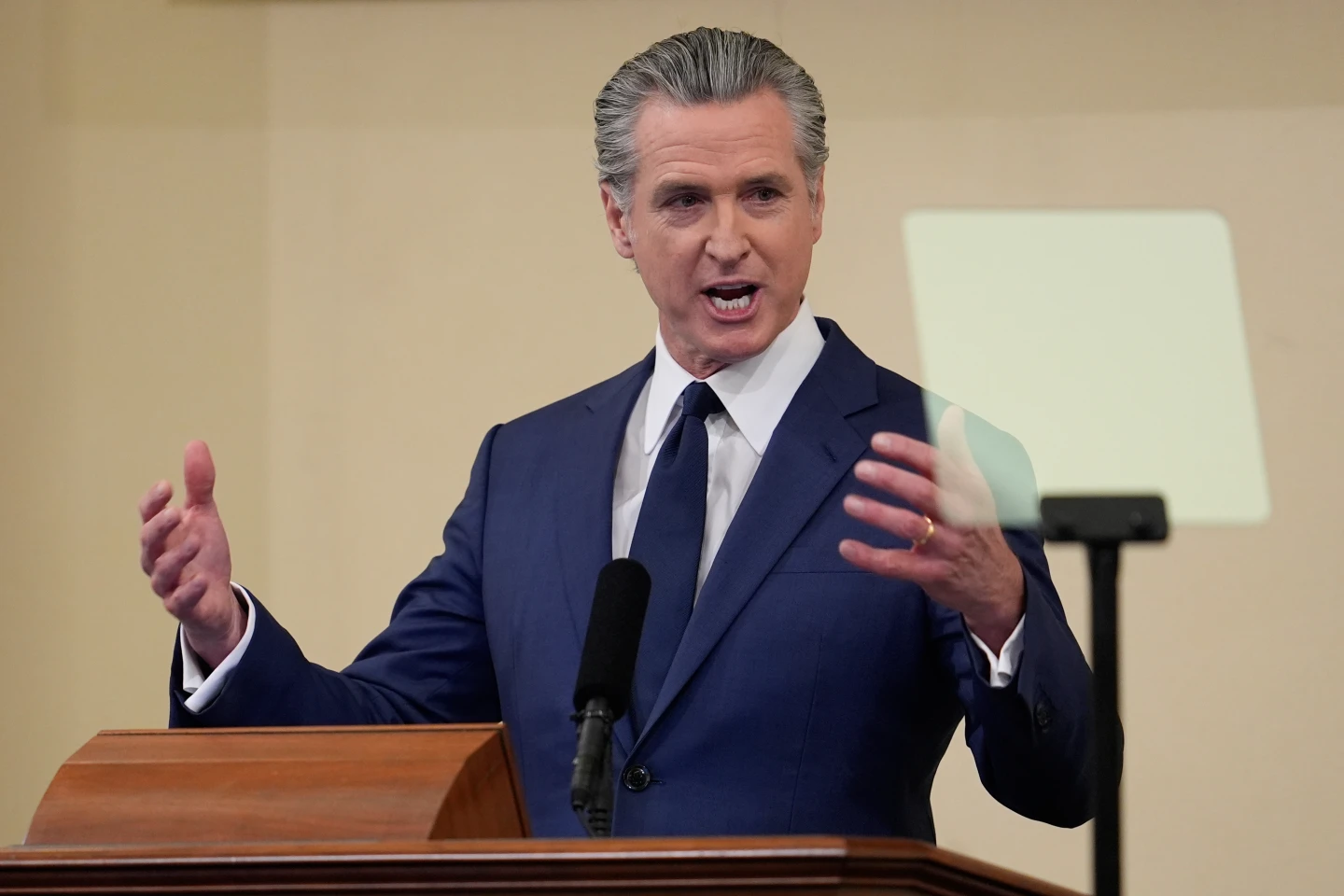
In light of these changes, local officials, including California Governor Gavin Newsom, supported the continuation of the event, stating that it could uplift those affected, instead of delaying it indefinitely. For many in the music industry, the show represents vital employment opportunities—especially in the service sector.
The ceremony will intertwine fire themes throughout, primarily paying homage to first responders while also contributing to fire relief fundraising efforts. Just days before, a major concert event raised substantial funds for the cause, and the Grammys plan to follow suit.
Performers such as Beyoncé and Taylor Swift will still dazzle on stage, but the focus remains on the ongoing recovery of a city heavily impacted by destruction. In the midst of this severity, the industry's interconnectedness is evident—as many in the community share similar stories of loss.
Despite facing adversity, experts believe that the setbacks will not mar Los Angeles as a music hub, but rather strengthen its sense of community and hope for the future.
The week leading up to the Grammy Awards normally buzzes with exclusive parties, spotlighting top music talents from around the globe in Los Angeles. However, this year, almost all of that glimmer is absent due to the region's most catastrophic fire event, which raged for 24 days and left 29 people dead and over 16,000 homes destroyed. With many artists and industry professionals impacted, party preparations have transformed into fundraising initiatives.
The Recording Academy emphasizes the need for the ceremony to proceed as it aims to honor victims and first responders while showcasing LA's resilience. Yet, the tone will be more contemplative this year, calling into question whether the allure of celebrity will overshadow the city's suffering. Recording Academy CEO Harvey Mason Jr. noted a shift to a reimagined event, including a scaled-back red carpet and a focus on community unity.
In light of these changes, local officials, including California Governor Gavin Newsom, supported the continuation of the event, stating that it could uplift those affected, instead of delaying it indefinitely. For many in the music industry, the show represents vital employment opportunities—especially in the service sector.
The ceremony will intertwine fire themes throughout, primarily paying homage to first responders while also contributing to fire relief fundraising efforts. Just days before, a major concert event raised substantial funds for the cause, and the Grammys plan to follow suit.
Performers such as Beyoncé and Taylor Swift will still dazzle on stage, but the focus remains on the ongoing recovery of a city heavily impacted by destruction. In the midst of this severity, the industry's interconnectedness is evident—as many in the community share similar stories of loss.
Despite facing adversity, experts believe that the setbacks will not mar Los Angeles as a music hub, but rather strengthen its sense of community and hope for the future.