The government of Bulgarian Prime Minister Rosen Zhelyazkov has resigned after protesters took to the streets in cities across the country and filled the centre of the capital Sofia on Wednesday night.
Zhelyazkov's dramatic move came ahead of a vote of no confidence in parliament and just 20 days before Bulgaria joins the euro. Protesters accused his minority centre-right government, which has been in power since January, of widespread corruption. In response to demonstrations last week, the government scrapped a controversial budget plan for the upcoming year.
In a television address, Zhelyazkov said, We hear the voice of citizens protesting against the government, adding that the civic energy displayed needed to be encouraged.
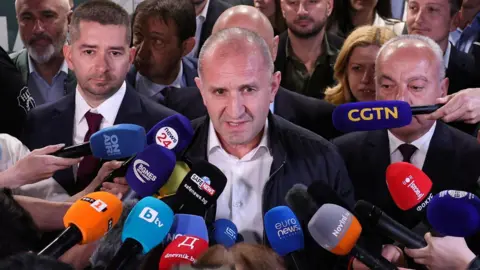
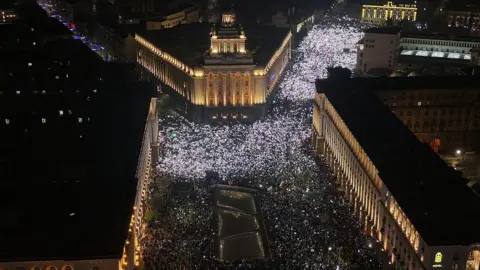
Wednesday's protests drew between 50,000 and 100,000 demonstrators to Sofia's central Triangle of Power and Independence Square, where activists projected messages demanding resignations and accountability onto the parliament building. President Rumen Radev also voiced support for the protests, calling for the government's resignation.
Despite surviving multiple votes of no confidence in the past, the mounting anger fueled by the roles of influential figures like oligarch Delyan Peevski and former Prime Minister Boyko Borissov ultimately led to this decision. Zhelyazkov acknowledged the challenges ahead, insisting that citizens should provide proposals for future governance. Bulgaria ranks among the highest in Europe for perceived corruption, according to Transparency International.
Zhelyazkov's dramatic move came ahead of a vote of no confidence in parliament and just 20 days before Bulgaria joins the euro. Protesters accused his minority centre-right government, which has been in power since January, of widespread corruption. In response to demonstrations last week, the government scrapped a controversial budget plan for the upcoming year.
In a television address, Zhelyazkov said, We hear the voice of citizens protesting against the government, adding that the civic energy displayed needed to be encouraged.
Wednesday's protests drew between 50,000 and 100,000 demonstrators to Sofia's central Triangle of Power and Independence Square, where activists projected messages demanding resignations and accountability onto the parliament building. President Rumen Radev also voiced support for the protests, calling for the government's resignation.
Despite surviving multiple votes of no confidence in the past, the mounting anger fueled by the roles of influential figures like oligarch Delyan Peevski and former Prime Minister Boyko Borissov ultimately led to this decision. Zhelyazkov acknowledged the challenges ahead, insisting that citizens should provide proposals for future governance. Bulgaria ranks among the highest in Europe for perceived corruption, according to Transparency International.