In brief
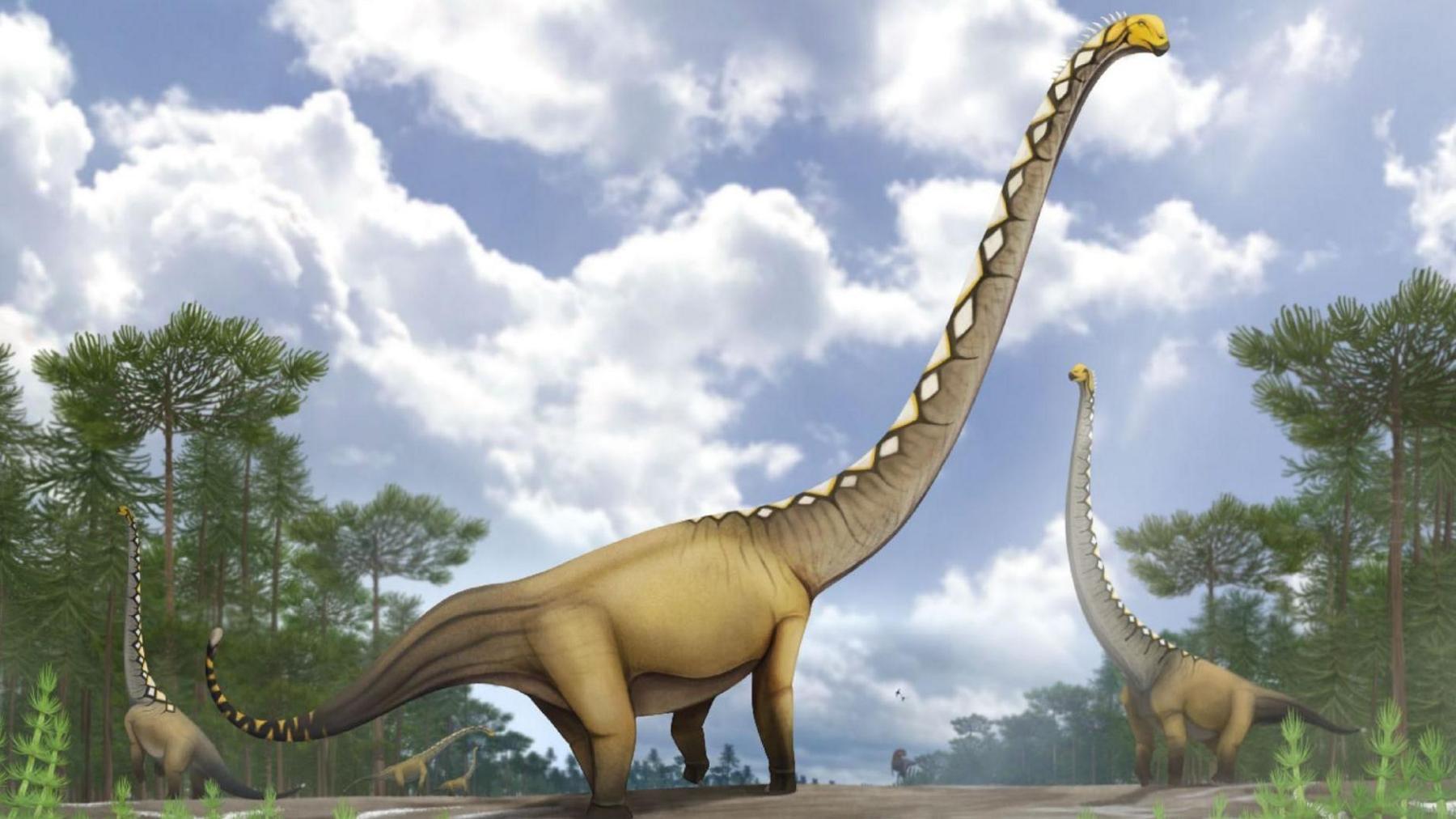
Paleontologists in Thailand have uncovered a brand‑new dinosaur species, Uragasaurus kalasinensis, whose neck stretches as long as a cricket pitch. The 150‑million‑year‑old herbivore belongs to the Mamenchisauridae family, famed for super‑elongated necks that enabled them to munch leaves from tall trees. Scientists highlighted unique features like Y‑shaped laminae and an unusual air‑cavity in the vertebrae, setting Uragasaurus apart from other known dinosaurs. This breakthrough, born from a CT scan of a single back vertebra, marks the first Mamenchisaurian discovered in Thailand and follows the earlier find of the gigantic Nagatitan.
In a dusty corner of Thailand’s north‑east, scientists unearthed a 20‑meter (66‑foot) tall dinosaur that look‑alike the world’s biggest yard‑stick. Named Uragasaurus kalasinensis, the plant‑eating beast lived 150 million years ago during the Late Jurassic period. Its neck alone could have stretched the length of a cricket pitch, helping it reach leaves high up in the jungle.
The discovery came from a single back vertebra—point‑blank on the ground where a local farmer had spotted serpent‑scales back in 2008. A CT scan revealed the dinosaur’s family: the Mamenchisauridae, a lineage famous for ultra‑long necks, usually found in China. But Uragasaurus had a quirky Y‑shaped internal bone structure and a unique air‑cavity that set it apart.
Lead scientist Dr. Apirat Nilphanaphan shared the news with glee, even smashing his keyboard in excitement. The research paper, published in Nature last week, adds a fresh chapter to Thailand’s fossil record and follows the earlier find of the giant Nagatitan, which measured 27 meters long.
Follow us for more on dinosaur digs, cool fossils, and how ancient creatures shaped our planet’s history.