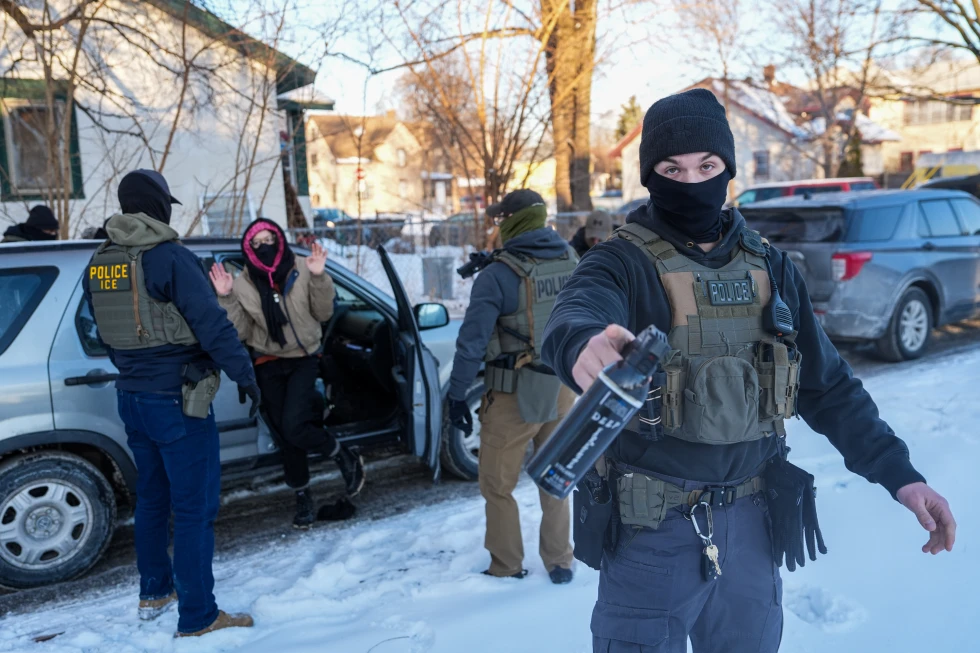
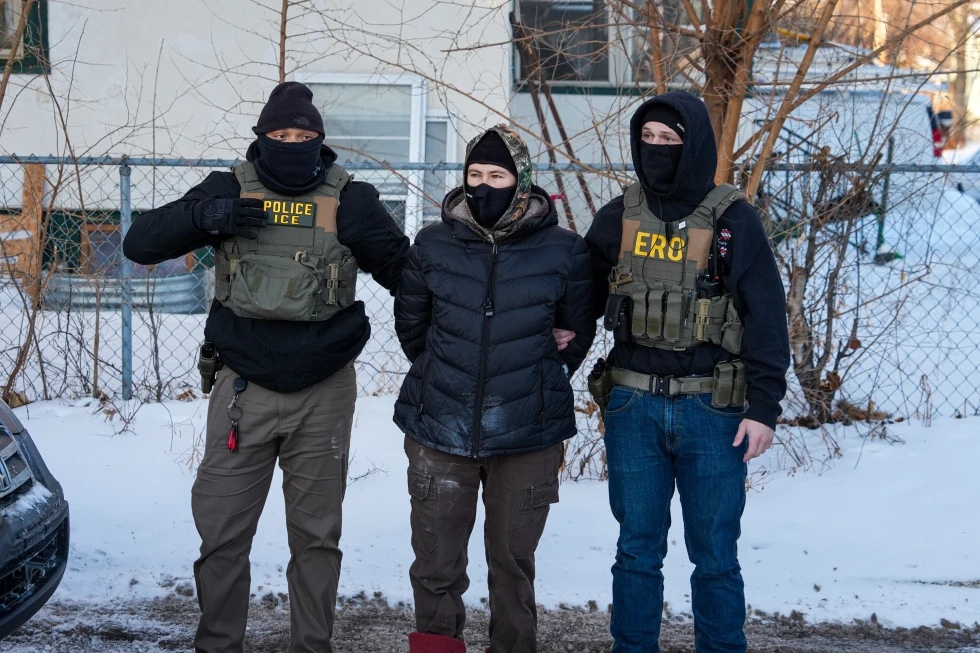
A Minneapolis man has been arrested on allegations of cyberstalking and making threats directed at Immigration and Customs Enforcement (ICE) officers involved in enforcement actions in Minnesota. Kyle Wagner, 37, is facing serious federal charges, with prosecutors indicating that they will soon decide whether to pursue an indictment to progress the case to trial.
Authorities claim Wagner used social media platforms, including Facebook and Instagram, to call for confrontations against federal officers, referring to them derogatorily as 'gestapo' and 'murderers.' Attorney General Pamela Bondi has condemned Wagner’s actions, noting that he allegedly has ties to antifa and encouraged violent resistance to federal actions.
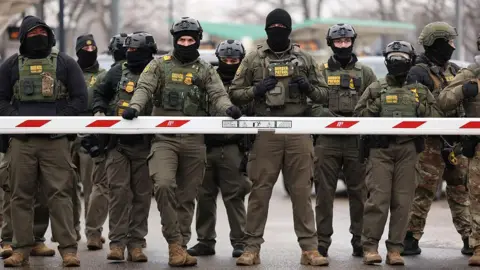
The context of these events includes tensions stemming from enforcement measures, with approximately 700 federal agents recently deployed to Minnesota, who may see withdrawal under certain conditions. This incident highlights the ongoing friction in U.S. immigration policy and the pushback from advocacy groups and individuals opposing federal enforcement measures.
The case raises questions about jurisdiction as it was filed in Detroit, reflecting complexities in the legal processing of such cases. Wagner’s online threats included statements advocating for physical confrontations with officers and doxxing individuals connected to pro-ICE sentiments. As the situation develops, it underscores the challenging climate surrounding immigration enforcement in the U.S.
Authorities claim Wagner used social media platforms, including Facebook and Instagram, to call for confrontations against federal officers, referring to them derogatorily as 'gestapo' and 'murderers.' Attorney General Pamela Bondi has condemned Wagner’s actions, noting that he allegedly has ties to antifa and encouraged violent resistance to federal actions.
The context of these events includes tensions stemming from enforcement measures, with approximately 700 federal agents recently deployed to Minnesota, who may see withdrawal under certain conditions. This incident highlights the ongoing friction in U.S. immigration policy and the pushback from advocacy groups and individuals opposing federal enforcement measures.
The case raises questions about jurisdiction as it was filed in Detroit, reflecting complexities in the legal processing of such cases. Wagner’s online threats included statements advocating for physical confrontations with officers and doxxing individuals connected to pro-ICE sentiments. As the situation develops, it underscores the challenging climate surrounding immigration enforcement in the U.S.