Miracle on Everest: Sherpa's 6‑Day Survival Sparks Safety Debate
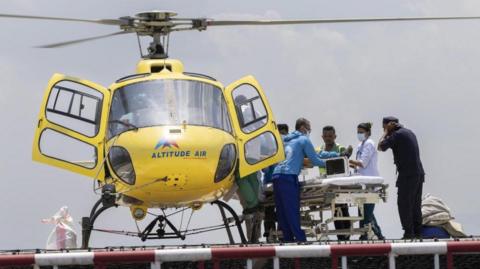
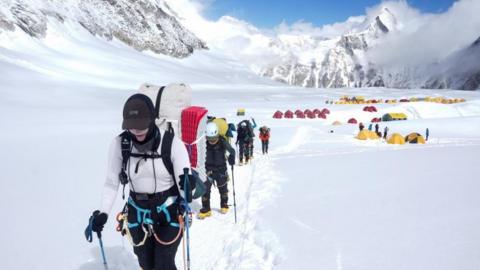
During the busy climbing season, a cleanup crew on Mount Everest spotted a lone man at the foot of the infamous Khumbu Icefall. It’s Hillary Dawa, a 57‑year‑old Sherpa who had been separated from his clients six days earlier and was presumed dead. When rescue teams finally reached him, he was stuck in an isolated tent, frostbitten but still alive.
A six‑day ordeal in the Arctic‑like cold
Without oxygen, a fully acclimatised climber normally survives only two to three days at 7,500m in the Himalayas. Hillary, however, kept moving and ate chocolate for energy. He also chewed on ice, drank melted ice‑water, and recovered from a crevasse fall thanks to an avalanche. “I didn’t think I would be alive,” he said in a hospital interview.
The company’s role and the rescue delay
Himalayan Traverse Adventure (HTA), the company guiding the trip, faced accusations of negligence. Witnesses say a search began only three days after he vanished, not immediately. HTA’s chief said bad weather and whiteouts delayed a helicopter rescue. Rivals, like 8K Expeditions, called the escape a “miracle.”
Industry fallout
The incident sparks debate over Sherpa safety. Experts note that many guides are trained for high‑altitude climbs, yet some tourists bring in inexperienced staff to cut costs. The Nepal tourism department is investigating, and some families demand a full inquiry.