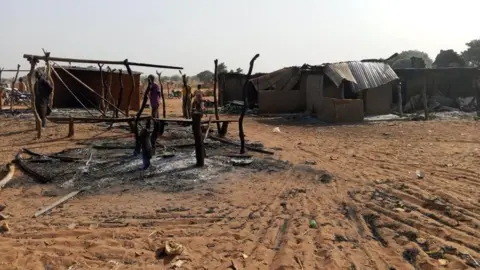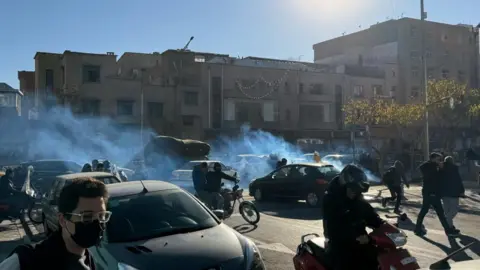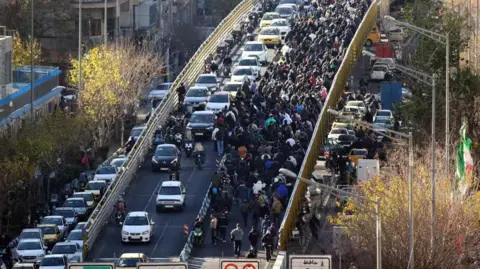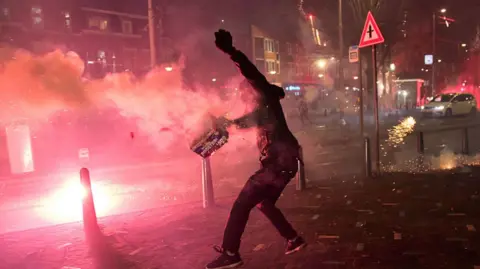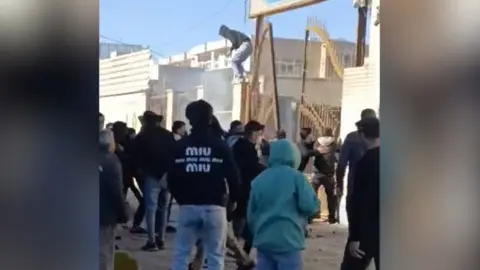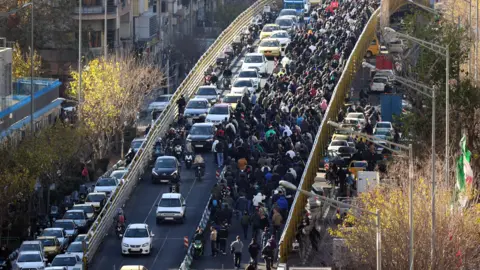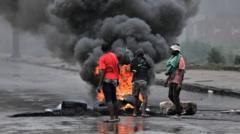
Amid a whirlwind of controversy and unrest, Daniel Chapo is set to be inaugurated as Mozambique's president after a disputed election in which he claimed 65% of the votes. His victory has been challenged by opposition leaders, electoral observers, and many citizens who believe the election was manipulated. This has fueled months of protests, both peaceful and violent, leading to significant turmoil across the country.
Chapo's main rival, Venâncio Mondlane, recently returned from exile, calling for more demonstrations against what he terms the "thieves of the people" on the day of Chapo's swearing-in. With both major opposition parties boycotting the ceremony, the legitimacy of Chapo's presidency remains in question.
Chapo, who has pledged to tackle corruption and revive the economy, faces an uphill battle to win public support and establish credibility in a climate marked by distrust and unrest. Analyses suggest that to succeed, he will need to address citizens' grievances while considering engaging with opposition figures to foster a sense of unity. As Mozambique stands at a crossroads, many are watching to see if Chapo can navigate the complex political landscape and restore calm in a nation rife with factional strife.
Chapo's main rival, Venâncio Mondlane, recently returned from exile, calling for more demonstrations against what he terms the "thieves of the people" on the day of Chapo's swearing-in. With both major opposition parties boycotting the ceremony, the legitimacy of Chapo's presidency remains in question.
Chapo, who has pledged to tackle corruption and revive the economy, faces an uphill battle to win public support and establish credibility in a climate marked by distrust and unrest. Analyses suggest that to succeed, he will need to address citizens' grievances while considering engaging with opposition figures to foster a sense of unity. As Mozambique stands at a crossroads, many are watching to see if Chapo can navigate the complex political landscape and restore calm in a nation rife with factional strife.