In brief
Prime Minister Narendra Modi publicly asked Russia’s Vladimir Putin to end the war in Ukraine, highlighting that war only hurts humanity and moves Afghanistan home. Modi’s plea comes after India’s economy relies on Russian oil and defence imports, yet Delhi has stayed neutral on the conflict. Analysts say the message fits India’s strategy of strategic autonomy and unlikely changes Moscow’s stance. Meanwhile, Russia remains committed to a military victory, showing little sign of reforming its war goals. The speech underscores the complex balance India must strike between diplomatic clout and troop-boosted allies.
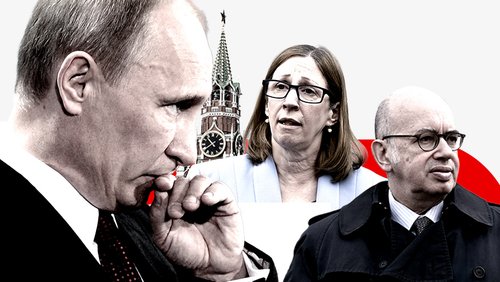
Prime Minister Narendra Modi has urged Russian President Vladimir Putin to end the war in Ukraine, saying everyday fighting pushes humanity backward while peace brings hope.
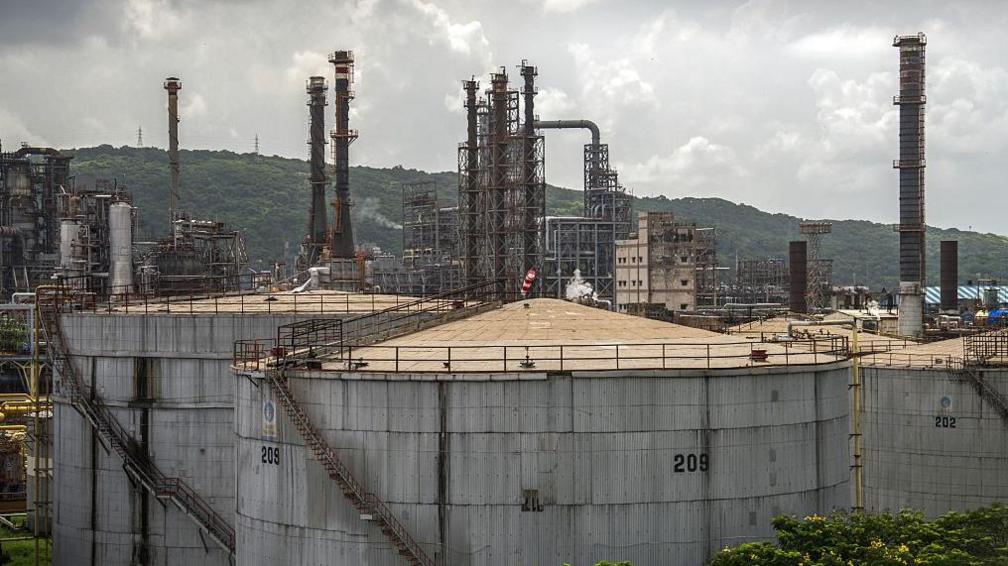
India has a long‑standing relationship with Russia, receiving a large share of its oil and defence goods. That ties India to Russia, but Delhi maintains a neutral stance on the conflict, calling for dialogue instead of taking sides.
Modi’s call is part of India’s “strategic autonomy” – balancing close ties with Russia against growing partnership with the US, Europe, and China.
The message is unlikely to change Putin’s goal of a military victory, but it signals to the world that India can speak out on global crises.
This event continues a trend of world leaders calling for peace, yet the Kremlin shows no sign of backing down from the war.