In brief
As the first city to implement such a scheme in the U.S., New York aims to tackle traffic woes and boost public transport funding.
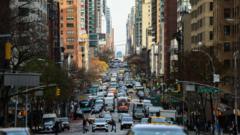
New York City is making history with the launch of its congestion charge, the first of its kind in the United States. Starting now, drivers entering an area south of Central Park will have to pay up to $9 per day during peak hours, with fees varying based on vehicle type. This congestion zone includes iconic sights like Times Square and the Empire State Building. The initiative intends to alleviate New York's notorious traffic congestion while generating billions for its public transit system. However, it hasn't been without controversy, facing pushback, particularly from locals like President-elect Donald Trump. Governor Kathy Hochul first proposed the congestion charge two years ago, but after hearing complaints from commuters and businesses, its implementation was delayed and later revised. Most cars will incur a charge of $9 once daily during high-traffic hours and a reduced rate of $2.25 during other times. Small trucks and non-commuter buses will pay $14.40 at peak times, and larger trucks along with tourist buses will be charged $21.60. Despite the city's efforts, many, including taxi driver associations and Trump himself, have voiced strong opposition. Congressman Mike Lawler urged Trump to help abolish the “absurd” pricing system. A last-minute legal challenge from New Jersey officials, citing environmental concerns, was dismissed by a judge. With New York City earning the title of the world’s most-congested urban area last year, the need for this congestion charge has never been clearer. According to traffic-data analysis by INRIX, cars in downtown Manhattan averaged just 11 mph during peak periods, highlighting the urgency for effective solutions.