In brief
Luigi Mangione is currently contesting evidence against him in a murder case linked to the killing of UnitedHealthcare CEO Brian Thompson. After his arrest at a Pennsylvania McDonald’s, police discovered a loaded gun magazine wrapped in underwear from his backpack, leading authorities to believe he is the prime suspect. Despite his lawyers claiming the search was unlawful due to lack of a warrant, prosecutors argue the search was conducted legally. The debate continues as the trial approaches.
Luigi Mangione's legal team is fighting to exclude significant evidence from his upcoming trial, related to the murder of Brian Thompson, the CEO of UnitedHealthcare. The evidence in question was uncovered during his arrest at a McDonald’s in Pennsylvania, where officers found a loaded gun magazine hidden in some underwear packed away in his backpack.
Police testimonies highlighted that this find was a crucial moment, confirming their suspicion that Mangione was tied to the murder, which occurred in New York five days prior. Video footage from the arrest has made its way into the court discussions, emphasizing the immediate recognition of Mangione as a suspect
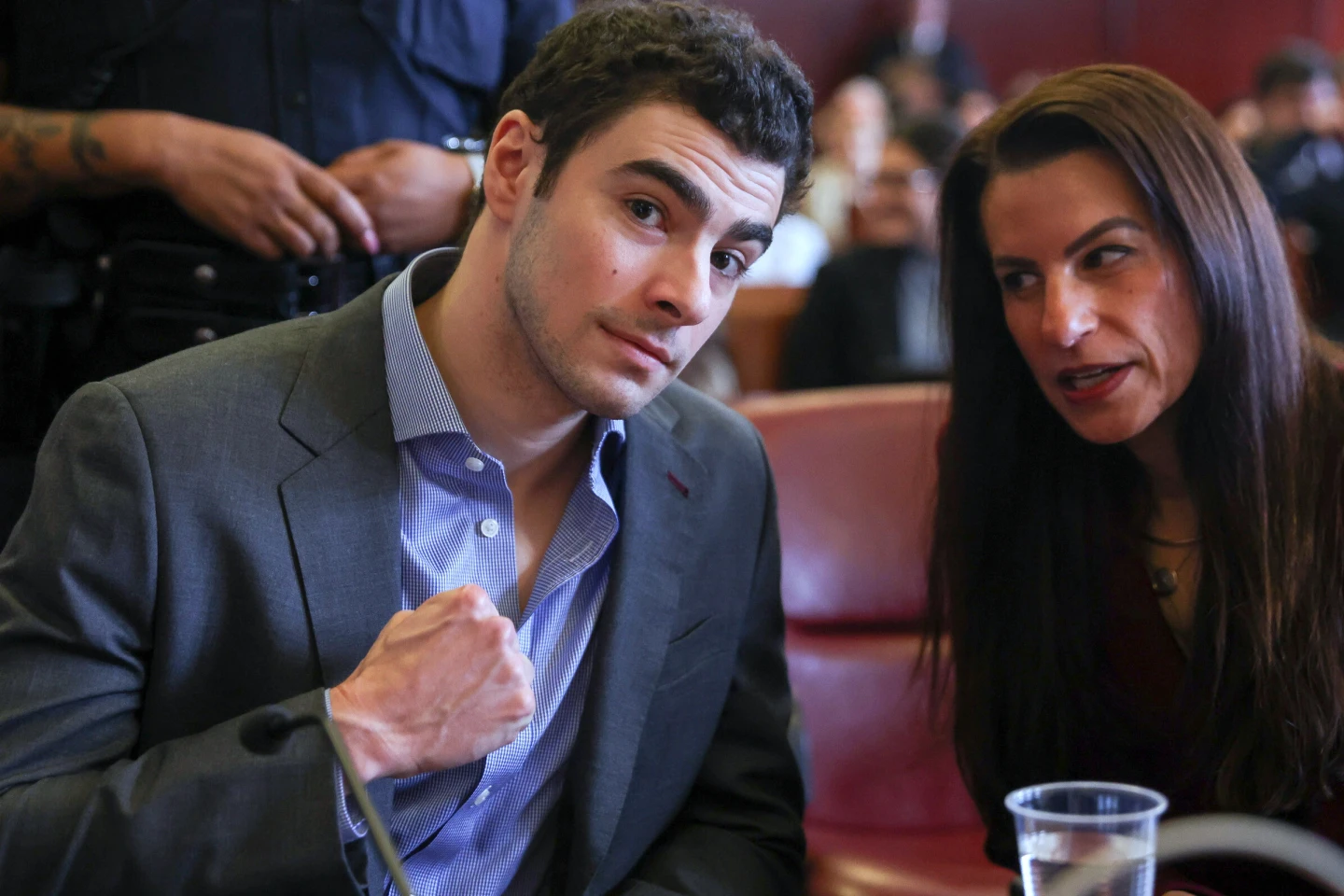
During the pretrial hearing, Mangione's lawyers argued that the search of his backpack lacked a warrant, making the subsequent findings inadmissible. Conversely, the prosecutors contend that police acted within legal rights to ensure public safety during the search.
Wasser, the officer who discovered the magazine, stated she was following protocol designed to check for hazardous items at the time of arrest. The case is set against a background of public concern surrounding gun violence and its investigation.
As court proceedings continue, the repercussions of this case extend beyond Mangione himself, prompting conversations about legal definitions of due process, safety in public domains, and the ethics surrounding murder investigations.