In brief
As U.S. Immigration and Customs Enforcement (ICE) operations ramp up in Minneapolis, many Native Americans are obtaining tribal identification cards to safeguard their citizenship rights. With the government’s intensified scrutiny, tribal nations are facilitating access to these IDs, which can be crucial protection against immigration enforcement. This trend reveals the ongoing struggle for Native rights and identity in a climate of fear. Tribal leaders emphasize the need for these IDs, as members share stories of being targeted—demonstrating the bittersweet necessity of proving their belonging in their own homeland.
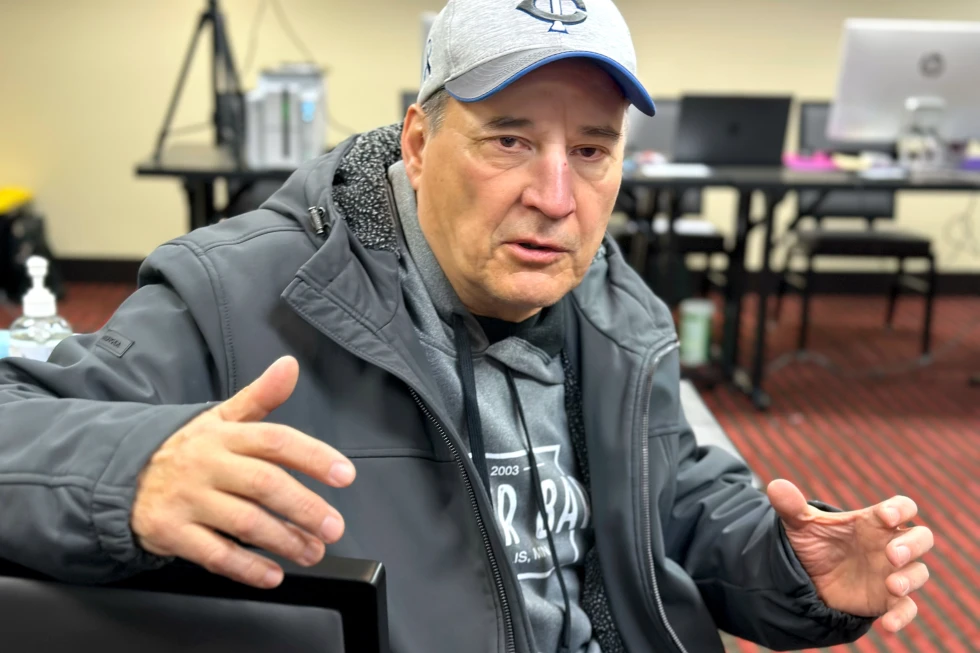
MINNEAPOLIS (AP) — In the wake of increased ICE activity in Minneapolis, Native Americans are taking proactive steps to secure tribal citizenship documents. Shane Mantz, a Choctaw Nation citizen, keeps his tribal ID handy, fearing he may be misidentified during federal raids. With a surge in ICE operations leading to over 3,400 arrests, many members of the 575 federally recognized tribes are applying for IDs to confirm their U.S. citizenship. Tribal nations have begun waiving fees and expediting ID processing in response to growing community concerns.Experts note that this is the first time tribal IDs are being widely recognized as valid proof of citizenship, indicating desperation within Native communities. Jaqueline De León, a staff attorney, expressed frustration, stating that as the original inhabitants, Native Americans should not have to prove their citizenship.Historically, tribal IDs have served many purposes, but now they have taken on a new role amidst immigration enforcement fears. With a large percentage of Native Americans living in urban environments, outreach events are being organized to assist those who cannot easily travel to reservations for identification.Reports of harassment by ICE have emerged, with tribal leaders advising citizens to carry their IDs constantly. Personal stories reveal distressing encounters with ICE, fueling a continuing dialogue about rights and identity in America. As Mantz emphasizes, carrying identification should not be necessary; it highlights the bizarre reality faced by many Native individuals today.