In brief
As the US and Iran prepare for high-stakes talks in Islamabad, five significant issues could complicate negotiations. Key among them are Iran's nuclear ambitions and regional alliances. Both sides express willingness to negotiate, but underlying tensions, particularly against the backdrop of Israeli actions in Lebanon, could derail discussions. The outcome remains uncertain as each party holds firmly to its demands.
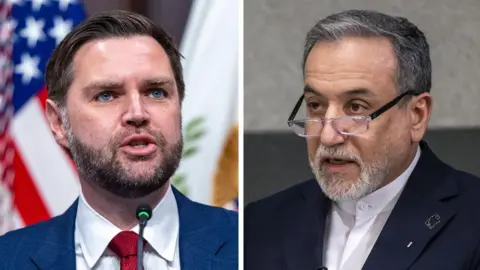
The venue is ready, the guards are in place, and the curb along the approach road has received a fresh coat of yellow and black paint. Islamabad awaits. As hosts of vital US-Iranian talks, Pakistani government officials express optimism, emphasizing that they enjoy the trust of both sides.Leading the US delegation, Vice President JD Vance sounded upbeat, stating, If the Iranians are willing to negotiate in good faith, we're certainly willing to extend the open hand. However, he cautioned, If they're going to try to play us, they will find the negotiating team is not that receptive.Mountains of obstacles lie ahead, particularly the ongoing tensions in Lebanon, where Israeli operations against Iran's ally, Hezbollah, could derail talks. Iran's president has warned that continued Israeli actions would undermine negotiations.Additionally, issues surrounding the critical Strait of Hormuz, where the US accused Iran of inadequately allowing shipping, and contentious nuclear rights threaten to complicate proceedings. Iran holds firmly to its position, demanding recognition of its rights to enrich uranium.Moreover, Iran's regional alliances and the economic strains of long-standing sanctions remain crucial sticking points. With both sides holding steadfastly to their demands, time will tell if progress can be achieved in these essential talks.