In brief
Despite ongoing attacks by Iranian forces, around 100 vessels managed to traverse the perilous Strait of Hormuz since early March. While this reflects continued maritime activity, it's a staggering decline from previous rates, with daily crossings dropping by around 95%. The shipping landscape is shifting drastically, as many ships take longer, risk-averse routes and some even disable their tracking systems to avoid detection.
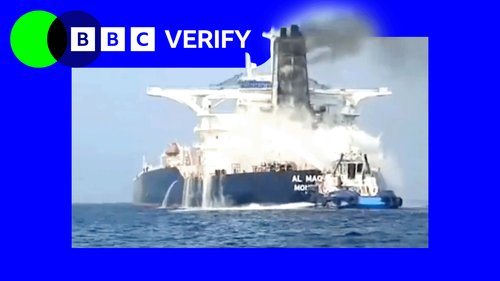
Just under 100 ships have passed through the Strait of Hormuz since the start of March, according to data analysed by BBC Verify, despite periodic attacks on shipping in the area by Iranian forces. While some energy and everyday goods are still moving through one of the world's busiest shipping lanes, daily traffic is down about 95% since the Iran war began on 28 February. Before the war, about 138 ships passed through the strait each day according to the Joint Maritime Information Centre, carrying one fifth of the global oil supply. The data provided by shipping analysts Kpler shows 99 vessels passing the narrow strait so far this month, an average of just 5-6 vessels a day. BBC Verify looks at the ships making the journey and the risks they are taking. Our analysis indicates that about a third of these recent crossings were made by ships with connections to Iran. These include 14 vessels sailing under Iran's flag and others under sanctions due to suspected links to Tehran's oil trade. Nine other ships were owned by companies with addresses linked to China, while six listed India as their destination. The analysis also reveals that several non-Iran linked ships have docked at the country's ports, including vessels owned by Greek companies. Some ships successfully crossing the strait appear to be taking a longer route than usual. Tracking data for a Pakistan-flagged oil tanker suggests it sailed close to the Iranian coast on its passage through the strait on 15 March, rather than the more widely used route through the middle. Bradley Martin, senior researcher at the US defence think tank RAND Corporation, noted that the ship’s deviation likely indicates it is responding to direction from Iran, potentially due to concerns such as mines or Iranian identification efforts. This tactic displays how Iran is reining in the strait through fear of attack and mining, forcing vessels to navigate towards its territorial waters.