In brief
Chinese Foreign Minister Wang Yi met Israeli President Isaac Herzog in Azerbaijan, warning that forced settlements in the West Bank violate international law and represent the greatest injustice of this century. Beijing, long backing a two‑state solution, has positioned itself as a mediator in Middle East conflicts, brokering ties between Iran and Saudi Arabia in 2023 and pushing for ceasefires. Beijing now demands full access to Gaza and a swift political settlement to avert a humanitarian crisis. Meanwhile, Palestinian casualties remain high since the 2025 ceasefire and both sides accuse each other of violating the agreement.
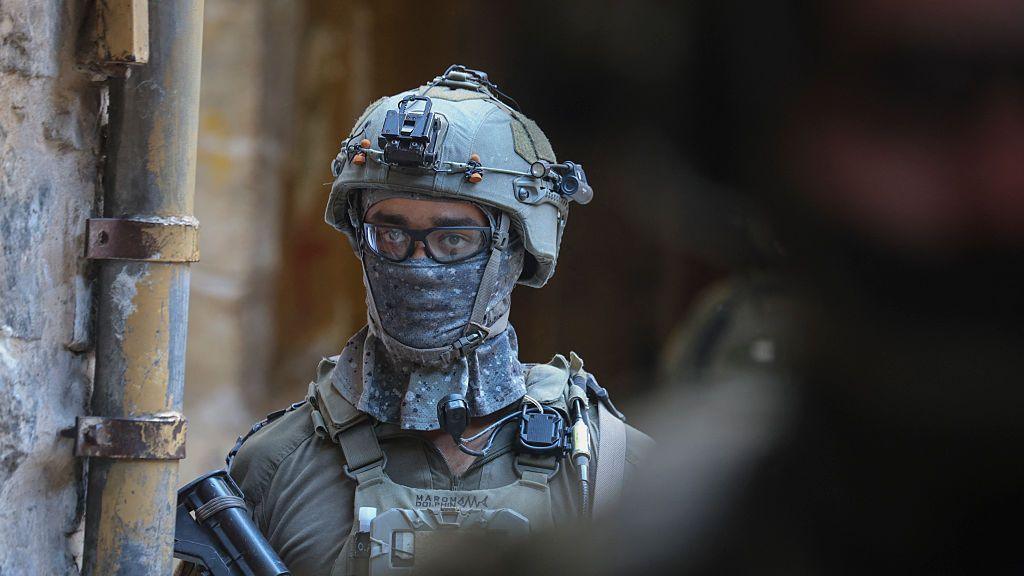
An Israeli soldier stands in the Old City of Hebron, West Bank, in 2026.
Chinese officials pressed Israel in a meeting with President Isaac Herzog in Azerbaijan to stop the forced establishment of settlements in the West Bank and to reverse those actions.
Wang Yi said the “Palestinian question” is the greatest historical injustice of the century, urging Israel to adopt a two‑state solution and to allow free access to Gaza.
Since 2023, Beijing has brokered regional talks—re‑establishing ties between Iran and Saudi Arabia and proposing ceasefires—while maintaining close ties to Iran’s oil trade.
Beijing also attempted to unify rival Palestinian factions by supporting an interim government during the 2024 Gaza conflict, though it never materialised.
The Chinese side now demands urgent humanitarian aid for Gaza and a political dialogue that ends the ongoing violence, while Palestinian casualties have edged past 1,400 since the ceasefire began in October 2025.
The US‑brokered ceasefire halted large‑scale bombardment but daily strikes continue, leaving many Palestinians displaced and food‑insecure.
With tensions still high, China’s appeal could shift regional negotiations, but progress remains stalled as both Israel and Hamas accuse each other of breaches.