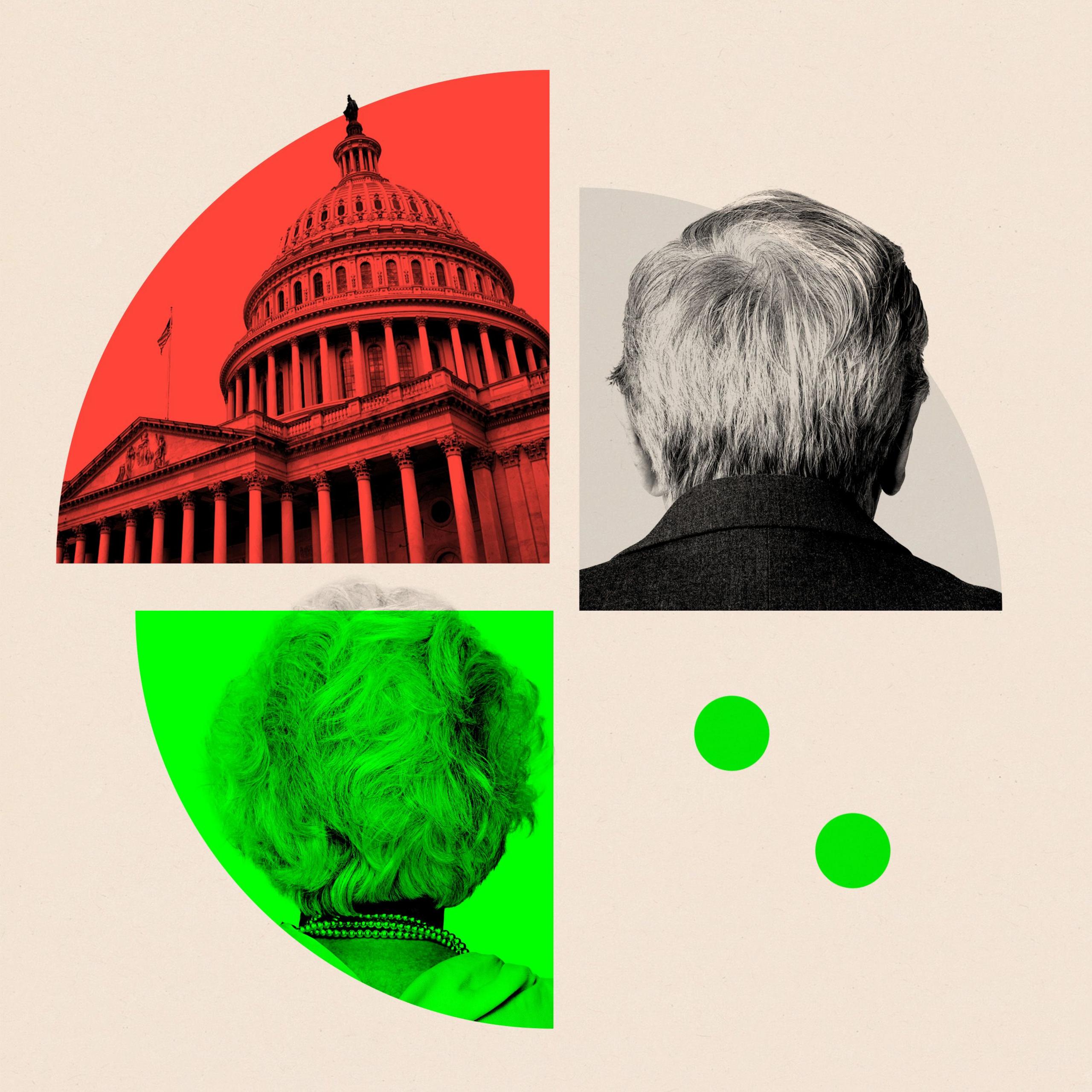
In brief
The US Congress has become a scene dominated by senior leaders, with the oldest members holding key positions. Hutch Rogers is the longest‑serving House member, yet it’s older politicians like Trump, Biden, and Senator Grassley that get most headlines. Young candidates face steep odds – money, experience, and a system that favors incumbents. Voters need to look beyond age and consider policy, but the trend of a gerontocracy raises genuine questions about representation and future leadership.
If you’ve ever wondered why every headline sounds like the Congress is a “gerontocracy”, you’re not alone. The truth is simple: the American political system rewards long‑term experience and seniority, and that’s built on age.
The Longevity of Hal Rogers
At 88, the Kentucky Democrat‑turned‑Republican Hal Rogers hasn’t stopped riding the House wave. Since 1981, he’s sought a 24th term, beating challengers younger by decades. He’s the longest‑serving member in the House and a touchstone for why age matters.
Who Are the Oldest Politicians?
Age isn’t just a trivia point – the leadership cohort shows that most top spots are held by 70‑plusers: Trump (80), Biden (82), Pelosi (86), Senator Chuck Grassley (93), and Senator Maxine Waters (88). While they carry institutional knowledge, questions about health and adaptability are constant.
Young Candidates and Steep Hurdles
- Riley Owen, a 27‑year‑old Republican, runs in Utah’s new district—spinning on tech, immigration, and paid maternity leave.
- Well‑funded incumbents, like Ben McAdams, out‑raise young challengers (McAdams $2.6m vs. Owen £150k). Big money = big influence.
- Young people’s trust in politicians is low, especially on corruption and leadership.
- Only a handful of women have ever held babies while in office—yet no family‑friendly benefits exist.
What’s At Stake for Voters?
Age alone is a poor predictor of wisdom or vigor, but voters do care about seniority. A majority of Americans think older politicians are “more experienced”, but they also worry about being out of touch.
If younger voters feel ignored, they may skip elections. That then feeds the cycle of an older, less‑representative Congress.
How Can It Change?
Ideas emerge from all ages. Youth movements in Scandinavia show higher turnout when parties collaborate with social groups. In the US, a double‑party system with a sole focus on incumbents stifles fresh voices.
The solution isn’t to trim the ages of all leaders, but to broaden the range of issues that resonate, support younger candidates with resources, and open doors for diverse representation.