In brief
President Trump’s latest move slams a suspension on eight tech giants, cutting off their ability to use the PERM labor‑certification route that so many Indian engineers rely on for U.S. green cards. Whilecompanies like Infosys, Tata and Microsoft claim they’re hiring locally, the freeze still shakes thousands of workers calling the U.S. home. The policy comes amid a wave of online hostility toward Indian immigrants and a surge of anti‑Asian sentiment, adding a human cost to the legal change. Alternatives such as the EB‑5 investor visa or less‑common green‑card paths are limited when patience is stretched to decades. With the U.S. economy accelerating AI adoption and remote work, Indian talent may pivot back to domestic roles or reassess their future statesides.
The Trump administration’s recent blanket freeze on the Permanent Labor Certification (PERM) program for eight tech giants—including Microsoft, Infosys, Tata Consultancy Services, Wipro, and HCL Technologies—shakes the “American dream” of many Indian engineers.
PERM is the key route most Indian H‑1B holders take to secure a U.S. green card. Without it, firms lose a fast, reliable pathway for long‑term talent and are left to source staff locally, a shift that is already underway. Infosys and Wipro say over 80% of their U.S. staff are now domestic hires; Microsoft indicates it files H‑1B visas mainly to retain existing talent.
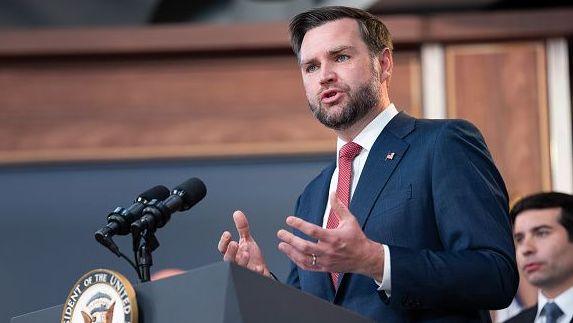
The pause comes at a time of heightened scrutiny of H‑1B workers; anti‑Asian online harassment has surged, and U.S. Vice President JD Vance’s remark calling foreign professionals “foreign indentured servants” drew backlash from India’s foreign ministry for its colonial undertones.
For those waiting in line—almost one million Indian nationals pending green cards as of December 2025—waiting times are growing ominously. NFAP estimates a wait of five to 179 years for fully licensed labour‑certified applicants depending on category.
Other green‑card pathways exist: exceptional‑talent petitions, investment visas requiring a minimum of $800,000, or smaller categories that bypass PERM. Yet concerns that these too might face future restrictions keep many professionals on edge.
Meanwhile, tech firms say the impact on revenue is minimal, arguing that high‑skill roles are still in demand. Yet realities on the ground point to a possible shift—companies might offshoring projects to India, or workers could opt to stay in their home countries instead of accepting uncertain U.S. prospects.
The policy marks a broader tightening of U.S. immigration across tech, highlighting that loyal, skilled talent may need to rethink the script of building future careers in the United States. Whether the U.S. remains the top destination for Indian tech talent remains to be seen as global and domestic market forces evolve.