In brief
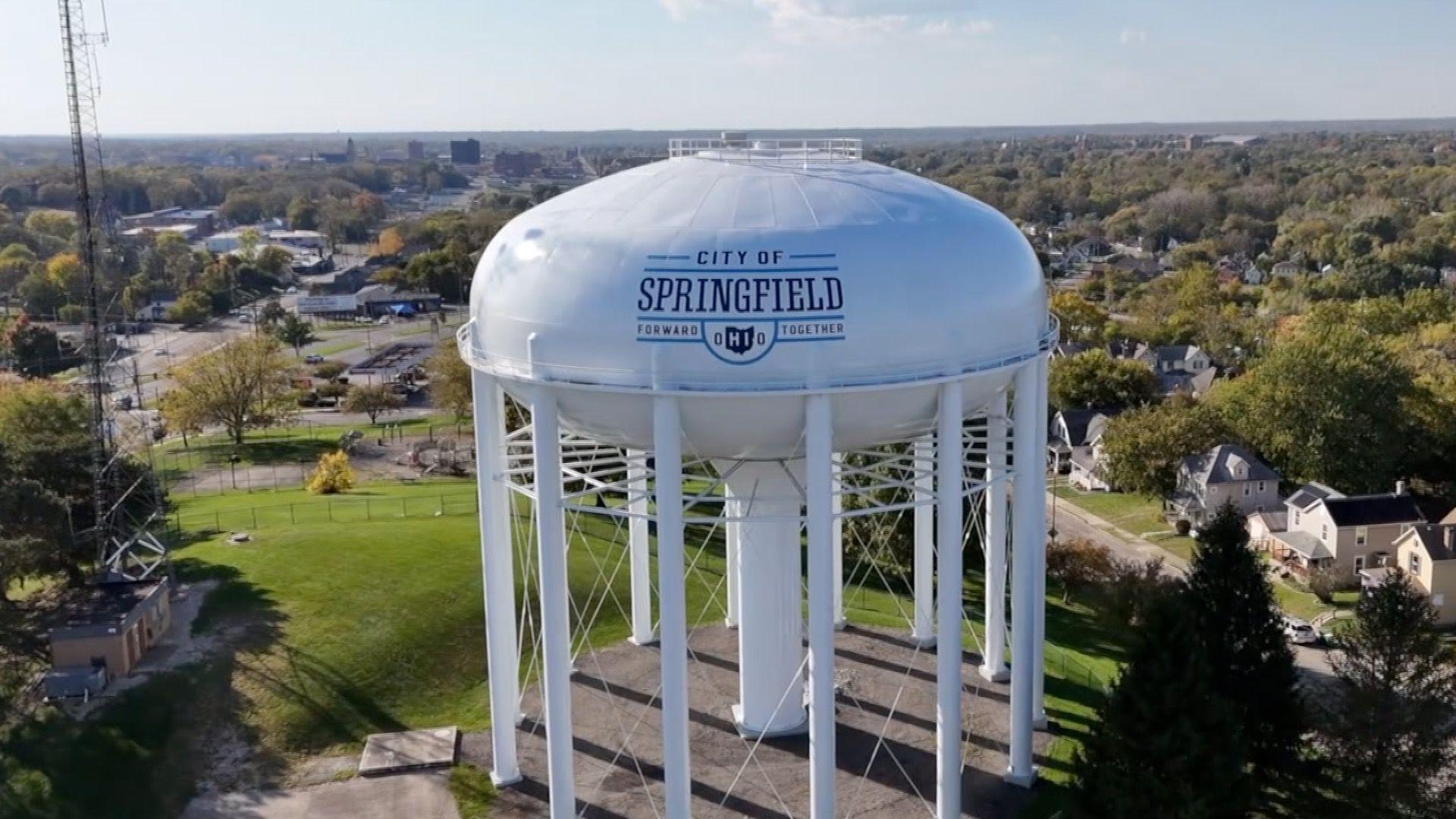
Springfield, Ohio, once a quiet mid‑western town, caught national attention as Donald Trump used it to illustrate issues around Haitian immigration. The arrival of about 20,000 Haitians in recent years has reshaped the town’s demographics and economy, sparking fierce debate over Temporary Protected Status and deportation drives. Residents like Rick Johnson feel the sting of change, while younger Haitians like Pierre Damas Bel face new legal challenges as TPS ends. The story raises questions about local identity, national policy and the human cost of political rhetoric.
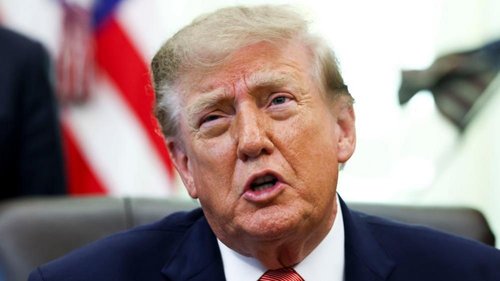
Springfield, a small Ohio town that feels the wind of change, became a national symbol when Donald Trump highlighted it during the 2024 elections. He linked the town to a false claim about Haitian immigrants eating pets and later framed it as a success story of “getting the town back.”
What’s really happening? The town’s story is about a steady economic decline, factories closing and neighbors moving away, and a growing Haitian community of roughly 20,000 people who arrived after the 2010 earthquake, the 2021 unrest and other hardships in Haiti. Their Temporary Protected Status (TPS) allowed them to work in local factories, but a Supreme Court ruling in 2025 ended that protection for many.
One of those affected is Pierre Damas Bel, a 20‑year‑old who traveled to Springfield to join family. After being fitted with an ankle monitor by Immigration and Customs Enforcement (ICE), Bel felt “shame and humiliation” and tragically died in August after walking into traffic. His family blames the monitor for his death. IRS watchdogs say the monitor is part of an “Alternatives to Detention” program meant to keep people near the border; critics say the system is cruel.
Local residents such as Marine veteran Rick Johnson see these changes as a threat to safety and a marker of a different America. Johnson claims the loss of industry made the town feel abandoned, and he believes the rapid influx of Haitians “raises traffic problems” and that people should come legally. The town’s grocery shelves are often empty, with only religious candles and saint pictures stocked, and many shops can’t survive without customers.
These stories unfold against a backdrop of Ohio’s role in the 2026 mid‑term elections. The state is a swing battleground, and Trump’s visits intensify the local debate over border policy and immigrant rights. While supporters see ICE enforcement as “law and order,” opponents highlight the human cost of ending TPS and the loss of community ties.
Springfield stands as a microcosm of America’s divided views on immigration, reflecting a period when a small town can ignite national conversation and the politics around it can change the lives of everyday citizens. The town’s future now hangs in the balance, as migration patterns and policy shifts continue to shape its identity.