In brief
In Colombia’s general election, voters are confronted with a surge in armed violence and mass displacement. An FARC‑led insurgency and cartel activity have fueled fear and forced many to flee homes. Two very different presidential rivals shape the debate: left‑leaning Senator Iván Cepeda, who favours negotiated peace, and right‑wing businessman Abelardo de la Espriella, backed by Donald Trump, who promises a hard‑line military crackdown and mega‑prisons. The election decision will have a lasting impact on the country’s security and political future.
The Colombian presidential election is being shaped by a sharp rise in violence and forced displacement. Armed groups – from FARC dissidents to the Ecuador‑aligned ELN – have taken hostages, planted bombs on roadways, and pushed thousands to leave their homes.
"My brother was murdered for not paying an extortion payment...in front of his children," says activist Edilma Martinez, a resident of a displaced‑people centre in Bogotá. Stories like hers, dozens of bombings and a three‑year rise in casualty counts, have turned security into the most‑asked question among voters.
Within this climate, two political visions clash. Senator Iván Cepeda – a left‑wing politician and co‑author of Gustavo Petro’s 2016 “total peace” deal – pledges renewed dialogue with armed groups while calling for social programmes that address poverty and inequality. Critics say the peace strategy has failed and in some cases enabled guerrillas to expand their control.
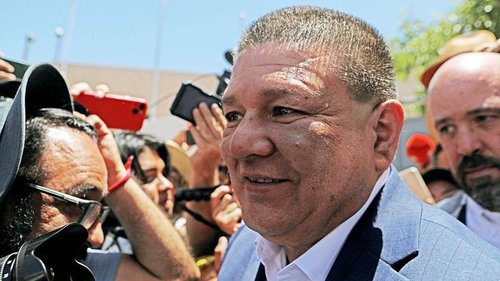
Opposing him, businessman Abelardo de la Espriella – nicknamed “El Tigre” and shown at rallies in Bucalo and Buga – has received a Trump endorsement. De la Espriella’s platform depends on a strict military crackdown, the construction of ten mega‑prisons and an end to negotiations with paramilitaries and rebels. He promises to “take down” any criminal who does not surrender.
For young voters, the choice is divided. While Cepeda’s proposing a mix of repression and social support resonates with many students, de la Espriella’s tough‑on‑crime stance appeals to rural commuters who see foreign weapons smuggling and drug trafficking as a real threat.
The final vote will decide not only who sits at the presidential desk, but whether Colombia continues a negotiated peace approach or adopts a hard‑line militia‑free policy. With the country still coping with more than 1.3 million displaced residents, the stakes have never been higher.
AFP via Getty Images – Police patrol in Colombia.