Violent Colombia Faces Presidential Decision Amid Rising Conflict
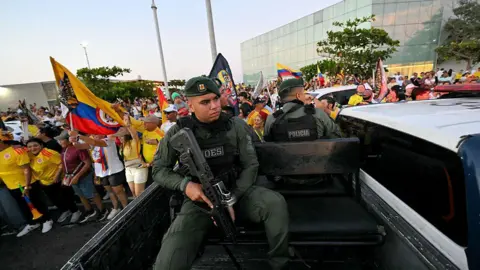
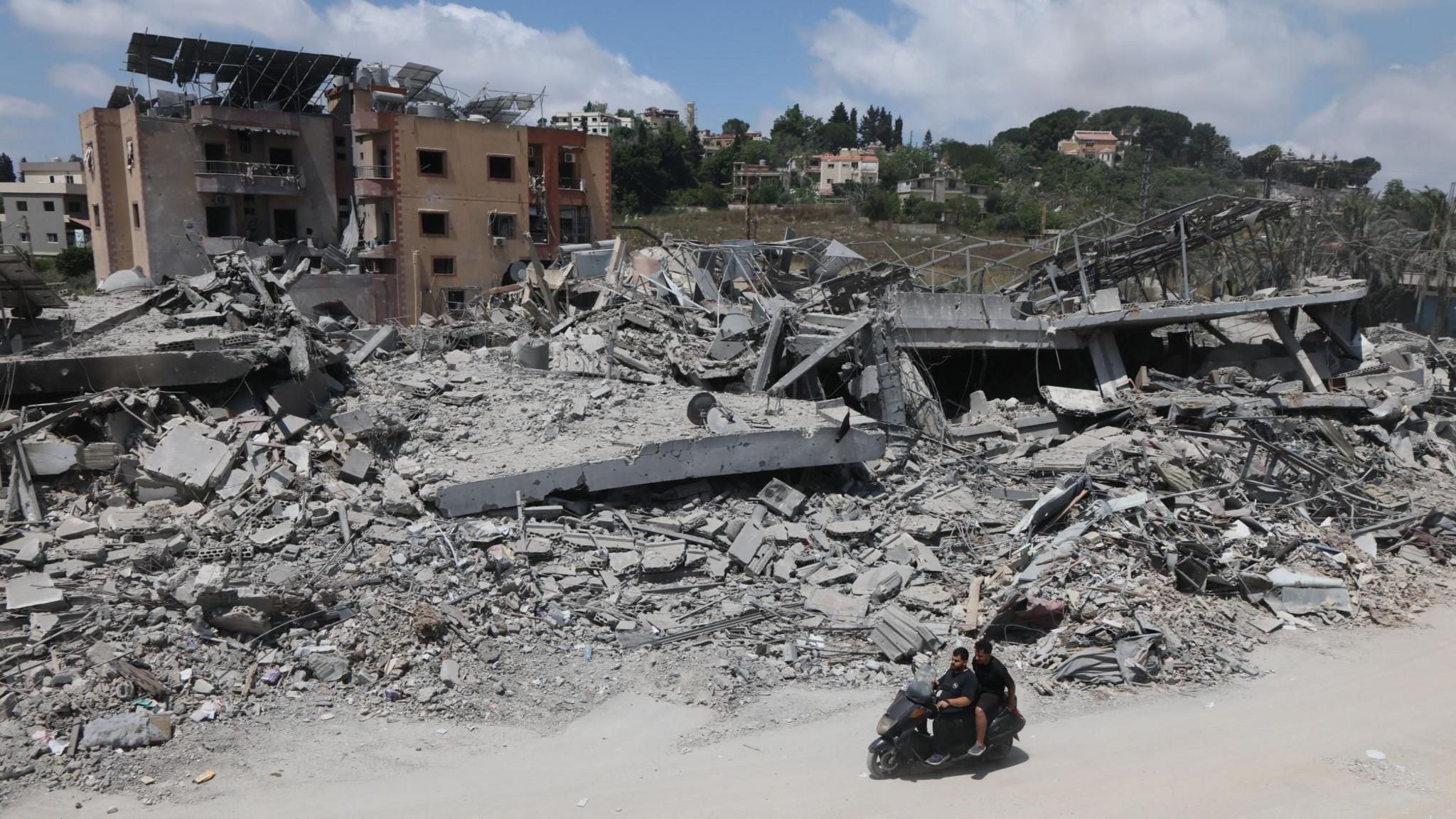
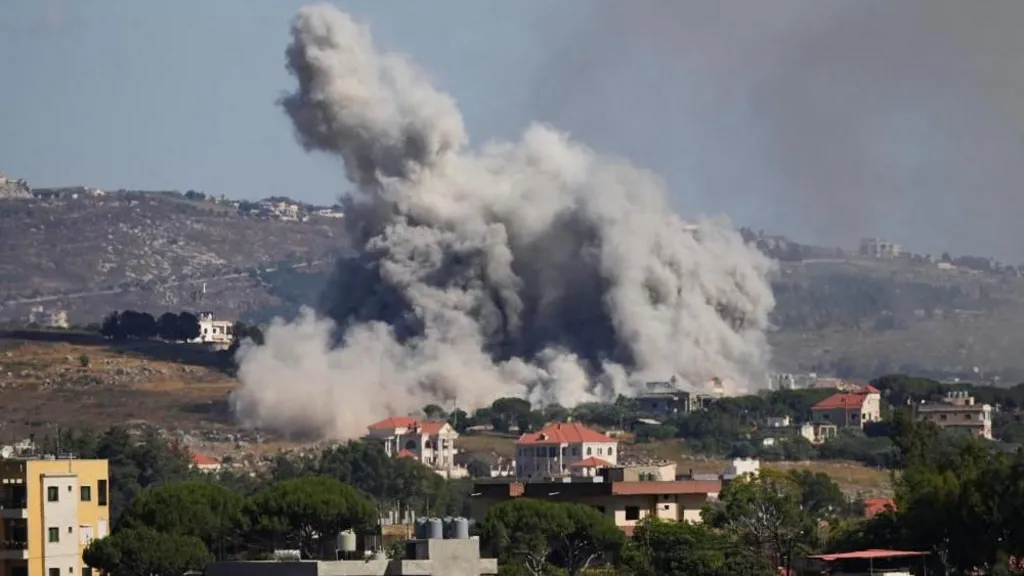
In June 2026, Colombia’s presidential election is unfolding beside an alarming spike in violence that has forced thousands into displacement and deepened collective trauma. A long‑standing war between the state, criminal cartels and armed groups such as FARC dissidents, the ELN and the Clan del Golfo has intensified, with recent clashes along the Venezuelan border leaving more people homeless.
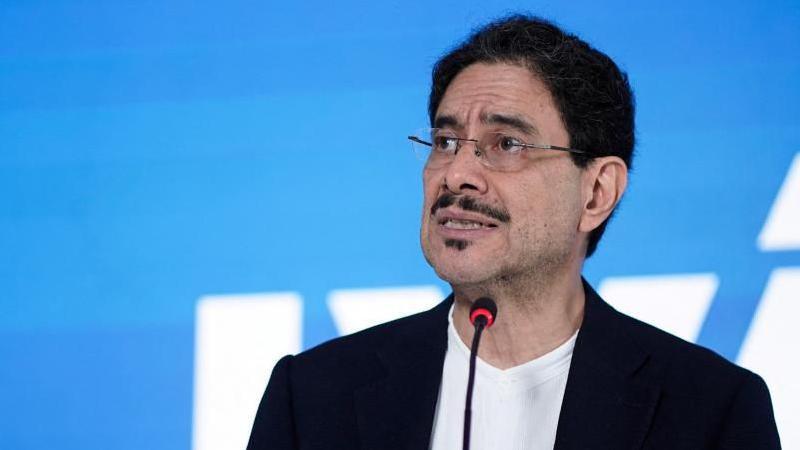
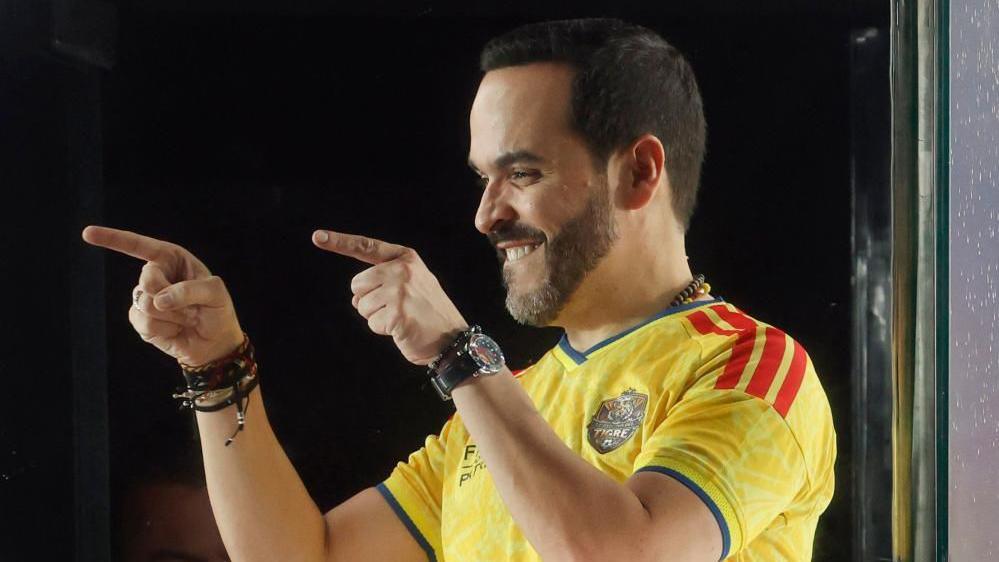
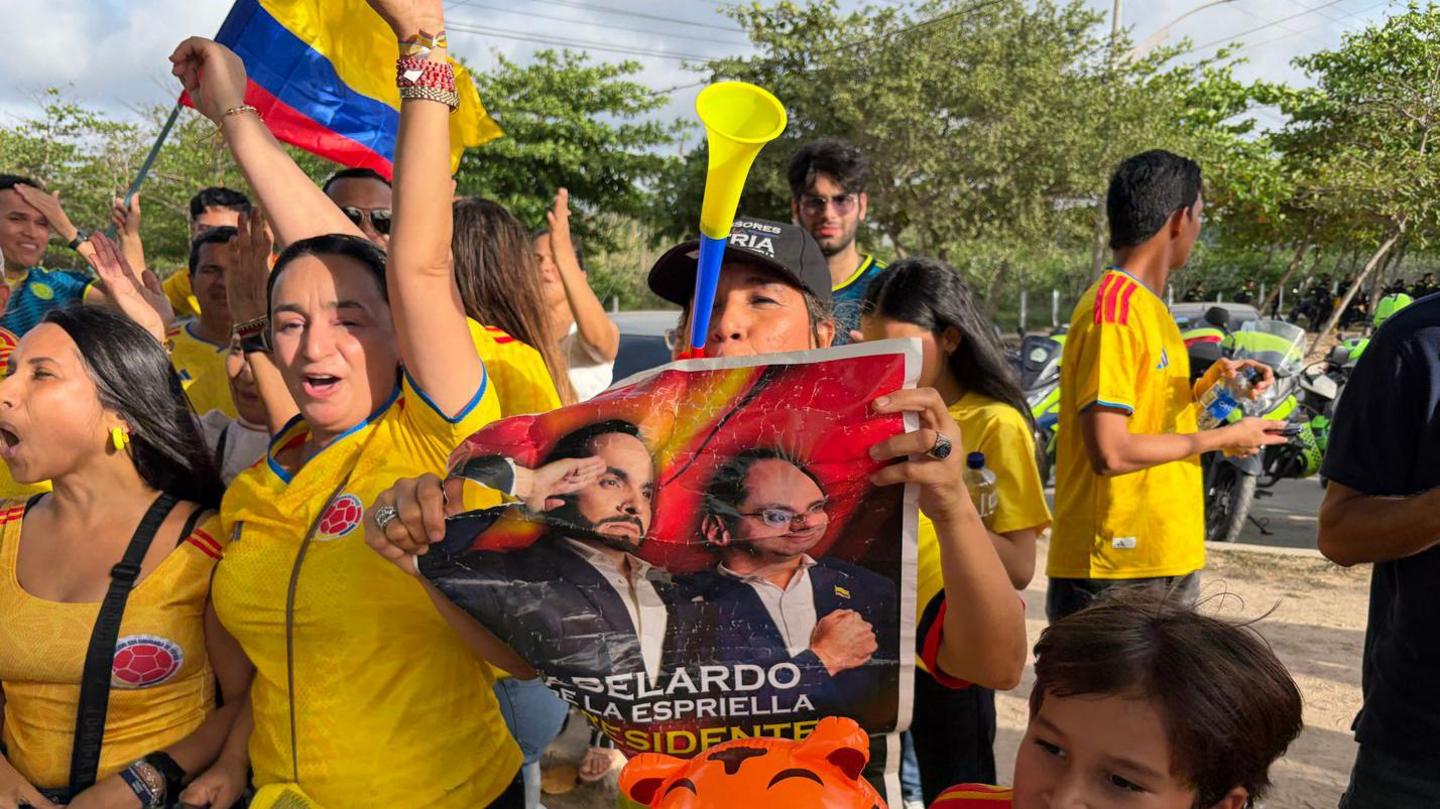
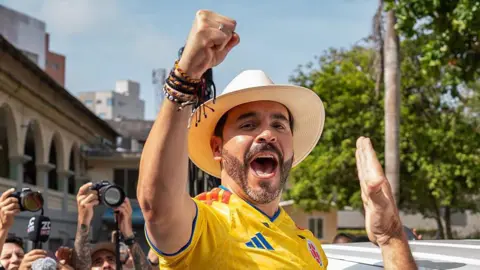
The two leading candidates—Abelardo de la Espriella, a right‑wing businessman endorsed by Donald Trump, and Iván Cepeda, the left‑wing senator linked to President Gustavo Petro’s 2016 peace accords—are at odds over the path to calm. De la Espriella pledges a hard‑line military campaign, 10 mega‑prisons and an outright cessation of negotiations with armed groups, while Cepeda calls for a blended approach that couples repression with social support to address poverty and the root causes of insecurity.
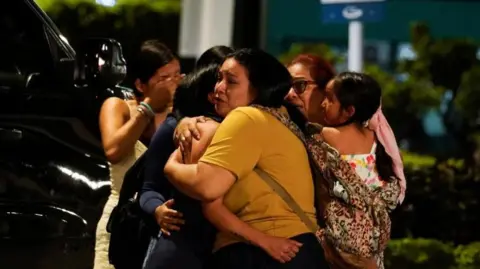
For many Colombia’s citizens, how the violence will be addressed shapes everyday life and the nation’s future. Displacement has skyrocketed—up 300 percent between 2024 and 2025—driven by drug‑trafficking zones, armed group control and a perceived failure of the government’s “stick” in its policy mix.
The presidential vote will therefore be pivotal. Voters must decide whether to back a security‑first approach, embodied by de la Espriella’s tough‑tactics, or opt for Cepeda’s combination of negotiated peace and social reforms that aim to lessen state neglect and poverty. The outcome will influence Colombia’s relationship with the United States and the long‑term prospects for peace and stability.